
Bringing a service dog into your life to help manage anxiety is a significant step. This guide outlines the entire process, from selecting appropriate tasks to achieving public access proficiency, offering realistic timelines and cost considerations for owner-training.
Is an Anxiety Service Dog Right for You?
Before embarking on the training journey, it’s crucial to assess if a service dog aligns with your needs and lifestyle. Service dogs are trained to perform specific tasks that mitigate a disability, distinguishing them from Emotional Support Animals (ESAs), which primarily offer comfort through their presence. Anxiety service dogs require a substantial commitment: 12-18 months of training, an estimated cost of $3,000-$8,000 (even for DIY training), and consistent daily care.
Consider a service dog if your anxiety substantially limits major life activities, traditional treatments are insufficient, and you can dedicate 1-2 hours daily to training and care, along with a monthly budget for expenses. Conversely, an ESA might be more suitable if your primary need is companionship, your anxiety is manageable with current treatments, or the intensive training demands feel overwhelming. Consulting with your mental health provider is recommended to determine if service dog tasks would complement your existing treatment plan.
Essential Tasks for Anxiety Service Dogs
Anxiety service dogs are trained to perform specific, actionable tasks. These can be broadly categorized into alert tasks, interruption tasks, and assistance tasks.
Alert Tasks: Proactive Anxiety Detection
- Deep Pressure Therapy (DPT): The dog applies calming pressure by leaning against or lying across your body during anxiety episodes, mimicking the effect of a weighted blanket.
- Anxiety Attack Alerts: The dog recognizes early physiological signs of panic attacks (e.g., changes in heart rate or breathing) and alerts you through a specific behavior, allowing you to intervene proactively.
- Medication Reminders: The dog prompts you to take prescribed medication at scheduled times, which is particularly useful if anxiety affects your memory or concentration.
Interruption Tasks: Preventing Harmful Behaviors
- Self-Harm Interruption: The dog intervenes if you engage in anxiety-driven self-harming behaviors, such as skin picking or hair pulling, by pawing at your hands or nudging your arms.
- Dissociation/Grounding: The dog uses physical contact (e.g., licking your face, pawing) to help you reconnect with the present moment during dissociative episodes.
- Nightmare Interruption: For individuals with PTSD-related anxiety, the dog wakes you from nightmares, potentially by licking your face or pawing, and can even be trained to turn on lights.
Assistance Tasks: Support During and After Episodes
- Retrieval: The dog retrieves essential items like medication, a phone, or a comfort object when you are unable to do so yourself.
- Room Searches: For heightened anxiety about home security, the dog can perform a sweep of rooms to enhance your sense of safety.
- Crowd Control/Personal Space: The dog circles around you or positions itself between you and others to create necessary personal space in overwhelming situations.
- Light Switches/Door Opening: The dog can be trained to operate light switches or open doors, aiding those with severe social anxiety or agoraphobia who may struggle to perform these actions.
It is recommended to prioritize 2-3 tasks that will offer the most significant benefit to your daily life, as starting with too many can be overwhelming for both you and your dog.
Assessing Your Dog’s Suitability for Service Work
While breed is often a consideration, a dog’s temperament is paramount for service work. Key indicators of a suitable candidate include a calm demeanor in new environments, quick recovery from startling noises, natural attentiveness to your emotional state, motivation for training, and a non-reactive disposition towards other dogs and strangers. Conversely, dogs that are easily startled, reactive, exhibit aggressive tendencies, or mirror your anxiety may not be ideal candidates.
The age of the dog also plays a role. Puppies offer a blank slate but require a longer training commitment. Young adult dogs (1-3 years) often represent a sweet spot, with established temperaments and a potentially faster training trajectory. Senior dogs are generally not recommended for starting rigorous service dog training.
A professional evaluation by a certified service dog trainer is highly recommended ($150-$300) to assess temperament and identify potential red flags early in the process, potentially saving significant time and emotional investment. It’s important to remember that a “wash-out” rate of 50-70% is common, even in professional programs. If a dog does not complete service dog training, they can still be a cherished ESA or pet.
Training Methodologies for Anxiety Service Dogs
Two primary training methods are effective for teaching anxiety alert and response behaviors:
Association Training
This method is best for dogs who are in close proximity to you during anxiety episodes and for attacks with discernible physical symptoms. It involves creating a positive association between your anxiety and high-value rewards. Over several weeks, you gradually shape the dog’s response behavior, rewarding them for performing a specific action (e.g., nudging, lying across your lap) when you exhibit anxiety cues. Consistent logging of alerts and rewards helps refine the dog’s accuracy.
Tell-Based Training
This approach is beneficial when the dog needs to respond from a distance or when your anxiety manifests with visible behavioral cues (e.g., pacing, specific breathing patterns). You identify a consistent “tell” associated with your anxiety and train your dog to respond to that cue. The process involves separately training the desired response behavior, then gradually linking it to your tell, eventually fading out verbal cues.
Many trainers advocate for a combined approach, utilizing association training for close-proximity tasks and tell-based training for those requiring distance response.
Preparing for Public Access
Beyond task training, your service dog must exhibit impeccable public manners. This involves mastering loose-leash walking, settling quietly for extended periods, ignoring distractions (especially other dogs), and maintaining confidence in novel environments. A gradual exposure hierarchy is crucial, starting with quiet outdoor spaces and progressively moving to more crowded public settings over several months. Passing a public access test, which simulates various real-world scenarios, is essential before relying on your service dog in public.
Service Dog Training Timeline and Costs
Owner-training a service dog typically takes 12-18 months. Costs for DIY training can range from $2,000-$4,000 in the first year, with ongoing annual expenses of $2,000-$4,500 for food, veterinary care, and supplies. Opting for professional support can increase the first-year cost to $3,500-$7,000. Fully professionally trained service dogs from established programs can cost $15,000-$30,000, often with significant waitlists.
Common Mistakes to Avoid
Several pitfalls can sabotage service dog training: inconsistent rewarding of desired behaviors, advancing to public access too quickly without foundational skills, treating task training like simple trick training, neglecting to keep a training log, and overlooking the importance of public access foundation skills. Addressing these mistakes proactively is key to success.
DIY vs. Professional Training
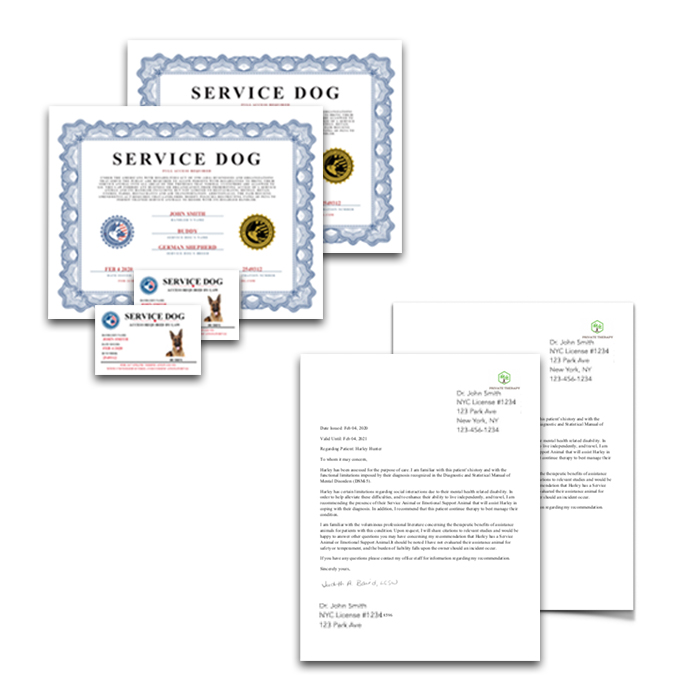
Owner-training is feasible for individuals with prior dog training experience, a dog with a suitable temperament, and the ability to dedicate daily training time, potentially supplemented by occasional professional consultations. Professional programs are advisable for those new to dog training, dogs with behavioral issues, or when a faster training timeline is needed. A balanced approach, combining DIY efforts with professional guidance for specific aspects like temperament evaluation and public access, is often the most effective path. Be wary of programs promising quick certifications, as the ADA does not require official certification.
Legal Rights and Responsibilities
Under the Americans with Disabilities Act (ADA), service dogs are granted public access rights. Businesses can ask only two questions: if the dog is a service animal required due to a disability, and what task the dog is trained to perform. They cannot ask for documentation or require task demonstrations. Handlers are responsible for maintaining control of their dog and ensuring it is housebroken and not disruptive.
When a Dog Isn’t Suited for Service Work
It’s important to acknowledge that not all dogs are suited for service work, with a significant percentage not completing training. Reasons include temperament issues (fear, reactivity, aggression), health problems that cause discomfort, or an inability to focus. If your dog “washes out,” they can still provide invaluable companionship and potentially serve as an ESA or therapy dog.
Frequently Asked Questions
- Training Time: 12-18 months for owner-training.
- Owner-Training: Yes, legally permissible under the ADA.
- Certification: Not required by the ADA; official certifications do not exist.
- Service Dog vs. ESA: Service dogs are task-trained; ESAs provide comfort without specific tasks.
- Cost: DIY ($2,000-$4,000 first year), Professional support ($3,500-$7,000 first year), Full program ($15,000-$30,000).
- Anxiety Dog Tasks: Alerting to attacks, DPT, interrupting self-harm, retrieval, etc.
- Breed Suitability: Temperament is key; any breed can potentially be a service dog.
- Wash-out: Common, with dogs often transitioning to ESA or pet roles.
- Qualification: Based on diagnosed anxiety, impact on major life activities, and need for specific tasks.
- Training Practice: Start in low-distraction environments and gradually increase exposure.
This article was reviewed by Brittany L. Fulton, CTC, Founder and Trainer at Dances with Dogs.