
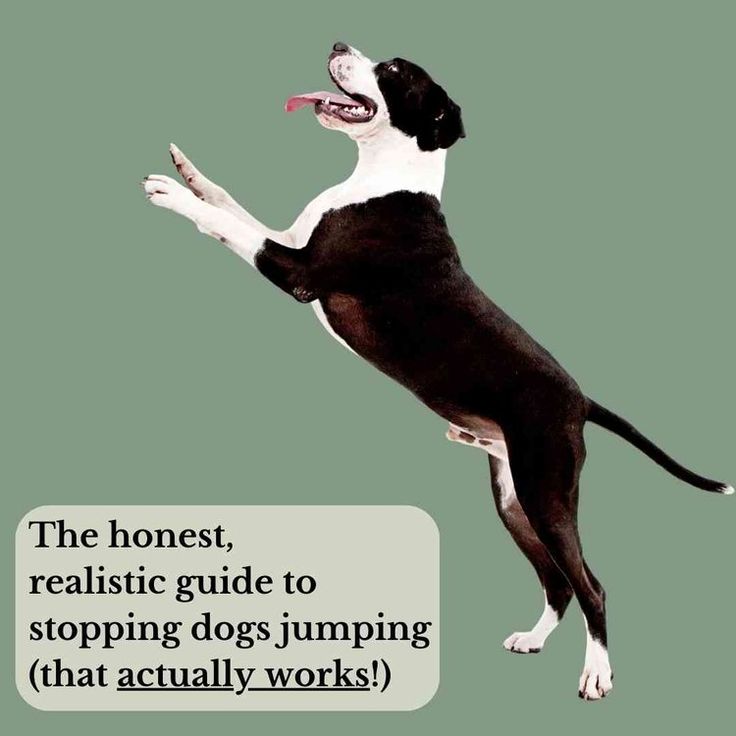
Dogs are affectionate creatures, and few things express their enthusiasm quite like launching themselves at the nearest human. But as endearing as it might seem when your puppy does it, a full-grown dog jumping up on guests, children, or strangers can be a serious problem — and even a safety hazard. The good news is that with the right approach, you can teach your dog that keeping all four paws on the floor is the best way to get what they want: your attention.
Understanding why your dog jumps up is the first step. In most cases, it comes down to attention-seeking. Dogs are social animals, and jumping up is one of the most instinctive ways they try to connect with us face-to-face. When we react — even by pushing them away or saying “no” — we are inadvertently rewarding the behavior. That reaction, however frustrated, is still attention. And attention is exactly what your dog was looking for.
The key principles behind stopping your dog from jumping up are timing, consistency, and perseverance. When you first begin training, you may notice your dog actually jumps up more. This is completely normal. Because jumping up has been rewarded in the past, your dog may simply conclude they need to try harder to get your attention. Stay the course — this phase passes.
Step 1: Stop Rewarding the Jumping Up Behavior
The moment your dog jumps up, turn your back completely. Do not say anything. Do not make eye contact. Give them nothing to work with. Wait patiently until all four paws are back on the ground — and the instant that happens, turn around and reward your dog with calm, positive attention.
If your dog becomes overly excited when you give them attention, consider switching to a food reward. Scatter a few treats on the floor the moment all four paws land — this also has the added benefit of encouraging your dog to look down rather than up. The message you are communicating is simple: jumping up does not work, but calm behavior on the ground does.
You will need to repeat this turn-away every single time your dog jumps up. It may feel repetitive — and it is — but that repetition is the training. The more consistently you respond this way, the faster your dog will make the connection between feet on the floor and getting what they want.
Step 2: Make It a Team Effort
One of the most common reasons dog training stalls is inconsistency — not on the dog’s part, but on the humans’. If you are diligently turning away every time your dog jumps up, but a family member or visitor gives them a pat and a “good boy” mid-leap, the training is undermined.
Every person who interacts with your dog needs to follow the same rule: ignore jumping up, reward calm behavior. This applies to everyone in your household and to people you encounter out on walks.
When you are at the park or in public spaces, use a longline — a lightweight lead of around 10 meters — clipped to your dog’s harness. If you spot people approaching in the distance, pick up the line and recall your dog back to you before they get a chance to practice jumping up on strangers. Once your dog is close and settled, ask for a sit before allowing any greeting to happen. Rewarding that calm, grounded behavior is what reinforces the lesson.
Step 3: Redirect Frustrated Dogs With an Alternative Behavior
Some dogs, especially those who are highly energetic or have been jumping up for a long time, may grow frustrated when their usual strategy stops working. They may jump more intensely, bark, or pace. In these moments, simply ignoring the behavior may not be enough on its own.
Rather than reacting to the jumping, continue to withhold attention — but introduce an alternative behavior your dog already knows well, such as “sit.” Before a visitor greets your dog, cue the sit and ask the visitor to wait until your dog complies before making contact. When your dog sits, deliver the reward immediately: treats, praise, or calm affection.
The goal here is to replace an unwanted behavior with a desirable one, rather than just suppressing the impulse. You are not just telling your dog “no” — you are teaching them “here is what works instead.” Over time, your dog will begin to associate greetings with sitting, not leaping.
Step 4: Use a Houseline and Manage Arrivals at Home
The front door is often the most challenging training environment. The excitement of someone arriving can push even a well-trained dog past their threshold. A few management strategies can make a big difference during this phase.
A houseline — a lightweight lead about 2 meters long — can be used indoors to give you gentle control without needing to hold a standard leash throughout the day. When visitors arrive, keep your dog in another room or behind a baby gate until the initial excitement of arrival settles. Once things have calmed down slightly, bring your dog into the room on the houseline, using treats to keep their focus on you.
Ask your dog to sit as they approach the visitor. Use treats to lure their attention downward, and make sure the visitor waits for calm behavior before offering any greeting. This setup takes a little coordination, especially if your visitors are not experienced dog people, but a brief heads-up before they arrive can go a long way.
The houseline is a temporary tool, not a permanent fixture. As your dog becomes more reliable at keeping four paws on the floor, you can gradually phase it out.
Conclusion: Patience Pays Off
Teaching your dog not to jump up is not a quick fix — it is a process that requires patience, repetition, and a united front from everyone in your dog’s life. The core principle is straightforward: attention and rewards flow only when all four paws are on the ground. Jumping up earns nothing.
Most dogs, given consistent feedback over days and weeks, will make the shift. They are not being stubborn or disobedient when they jump — they are simply doing what has worked before. Your job is to change what works. And once they discover that a calm sit or a simple stand gets them everything they want, the jumping up tends to fade on its own.
If your dog is struggling despite consistent training, consider working with a certified professional dog trainer who can assess the behavior in person and tailor a plan to your dog’s specific temperament. Some dogs benefit from additional impulse control exercises, structured exercise routines, or management strategies during the training window.
Start today, stay consistent, and celebrate the small wins. Your dog is learning every time you respond — make sure the lesson is the one you intend to teach.
References
- Battersea Dogs & Cats Home. How to teach your dog not to jump up. battersea.org.uk
- American Kennel Club. How to Stop a Dog From Jumping Up. akc.org
- Association of Professional Dog Trainers (APDT). Positive Reinforcement Training Principles. apdt.com