
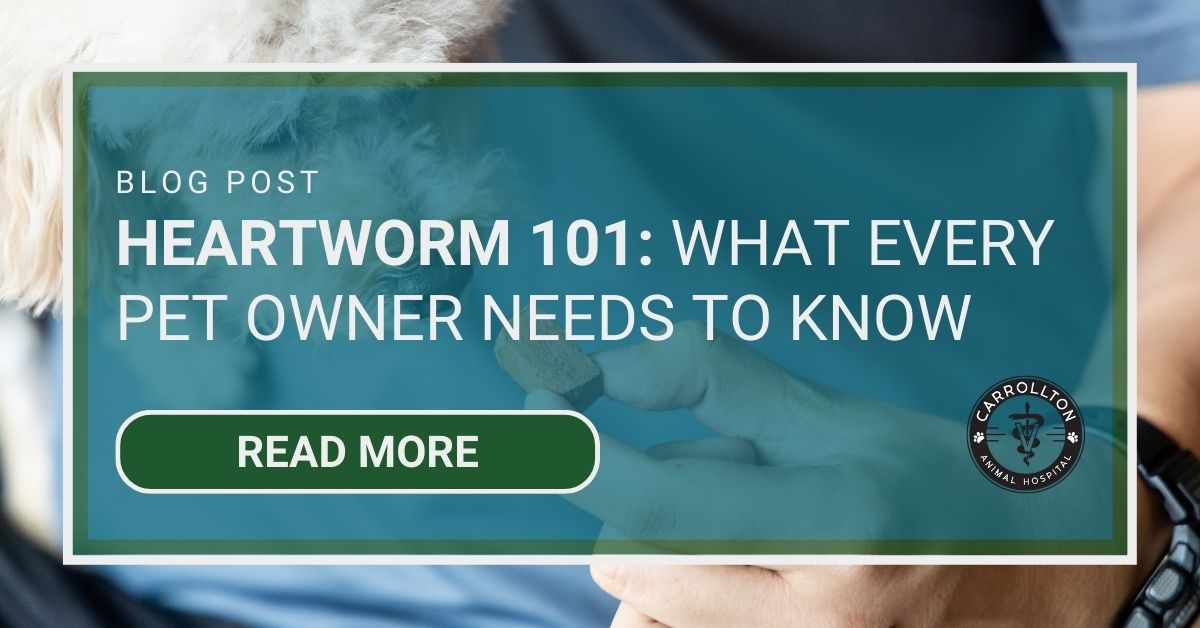
Heartworm disease is one of the most serious and preventable threats facing dogs today. Caused by a parasitic worm transmitted through mosquito bites, heartworms travel through the bloodstream and settle in a dog’s heart and lungs. As the worms mature and multiply, they damage these vital organs, leading to persistent coughing, labored breathing, chronic fatigue, and — in advanced cases — life-threatening heart failure. What makes heartworm disease so dangerous is that by the time obvious symptoms appear, the infection is often already severe. Prevention, therefore, isn’t just the easier option; it’s the smartest and most compassionate one.
Heartworm disease has been diagnosed in all 50 U.S. states, and any dog exposed to mosquitoes is at risk — which is essentially every dog, everywhere. The good news is that when given consistently and as directed, veterinarian-recommended preventive medications are highly effective. Understanding your options is the first step toward protecting your pet for life.
Why You Should Always Consult Your Veterinarian First
Before purchasing any heartworm prevention medication for your dog, a conversation with your veterinarian is not just recommended — it’s required. Heartworm preventives are prescription-only medications regulated by the FDA, meaning they cannot be purchased over the counter. This regulation exists for good reason: these medications must be administered at precise dosages based on your dog’s weight, age, and health history to be both safe and effective.
Additionally, your dog must have a current, negative heartworm test on file before starting any preventive. This is critical: heartworm preventives work by eliminating immature larvae, not adult worms. If your dog is already infected with adult heartworms and you administer a preventive, it can cause a dangerous reaction. Your veterinarian will screen for this before prescribing.
Your vet’s input is especially important if your dog has a history of seizures, carries the MDR1 gene mutation (common in breeds like Collies and Australian Shepherds), or has known food sensitivities. Some active ingredients in heartworm medications may not be appropriate for these dogs, and your vet will guide you toward the safest choice.
Key Factors to Consider When Choosing a Heartworm Prevention
With several types of heartworm medications available, choosing the right one can feel overwhelming. Here are the most important factors to evaluate.
Scope of Parasite Protection
Modern heartworm preventives often do much more than protect against heartworm disease alone. Depending on your dog’s lifestyle and geographic location, your veterinarian may recommend a product that also protects against fleas, ticks, roundworms, hookworms, whipworms, and tapeworms. A broad-spectrum parasite prevention product can simplify your routine — one treatment covering multiple threats — and is often more cost-effective in the long run than purchasing separate products.
Talk openly with your vet about the parasites most prevalent in your area and whether your dog spends time outdoors, in wooded areas, or around other animals. These lifestyle factors directly influence which level of protection makes the most sense.
Form of Administration: Tablets, Chews, or Topical Treatments
Heartworm preventives come in three main delivery forms, each administered on a monthly schedule:
Oral chewable tablets are the most popular option and are often flavored with beef, pork, or chicken to make administration easy. These are ideal for dogs that tolerate pill-form treats and aren’t sensitive to specific proteins. They also aren’t affected by bathing, which can be an advantage for dogs that swim or require frequent grooming.
Topical (spot-on) solutions are applied directly to the skin, typically between the shoulder blades. These can be a good option for dogs that refuse to eat any form of tablet or chew. However, it’s worth noting that frequent bathing or swimming may reduce their effectiveness, so they may not be ideal for very water-active dogs.
Plain tablets (non-flavored) are available for dogs with severe food sensitivities or allergies to the flavoring agents used in chewables.
The best form is the one your dog will actually take reliably each month. Consistency is everything with heartworm prevention — a missed dose can leave your dog vulnerable.
Your Dog’s Age, Weight, and Health History
All heartworm preventive medications are dosed based on your dog’s body weight. Using the wrong dose — either too little or too much — compromises the medication’s effectiveness or creates safety risks. Many products are approved for puppies as young as 6 to 8 weeks of age, but always confirm age eligibility with your veterinarian.
Certain classes of heartworm medications, particularly those in the isoxazoline group (often used in combination parasite preventives), may carry additional risks for dogs with a history of seizures or other neurological conditions. The FDA has issued guidance on this topic, and your veterinarian will be aware of your dog’s full medical history when making their recommendation.
Notable Heartworm Prevention Products
While the best choice for your dog depends on your vet’s recommendation, a number of widely used and vet-recommended products have earned strong reputations among veterinarians and pet owners alike.
Interceptor Plus (milbemycin oxime + praziquantel) is a popular monthly chewable that protects against heartworm disease and treats and controls roundworms, hookworms, whipworms, and tapeworms. It’s broadly well-tolerated and approved for dogs 6 weeks and older.
Heartgard Plus (ivermectin + pyrantel) is one of the longest-established heartworm preventives on the market. Its beef-flavored chew is well-liked by most dogs and provides protection against heartworm disease, roundworms, and hookworms.
Advantage Multi (imidacloprid + moxidectin) is a topical solution that prevents heartworm disease and also treats and prevents fleas, roundworms, hookworms, and whipworms. It’s a strong option for dogs that won’t cooperate with oral medications.
Credelio Quattro and NexGard PLUS are two newer all-in-one options offering broad protection against ticks, fleas, heartworm disease, and multiple intestinal parasites in a single monthly chew. Both belong to the isoxazoline class of drugs and should be discussed carefully with your veterinarian if your dog has any history of seizures.
For pet owners seeking a more budget-friendly option, Iverhart Max is a bacon-flavored monthly chew that prevents heartworm disease and controls roundworms, hookworms, and tapeworms at a lower price point.
Does My Dog Really Need Year-Round Heartworm Prevention?
The short answer: yes. While mosquito activity peaks during warmer months, heartworm disease has been detected in dogs in every U.S. state, including regions with cold winters. Mosquitoes can and do survive indoors and in mild winter weather, and a single bite from an infected mosquito is all it takes to transmit heartworm larvae to your dog.
Year-round prevention eliminates the risk of gaps in protection. It also ensures that any larvae your dog may have been exposed to during a coverage lapse are eliminated before they can develop into adult worms.
How to Select the Right Preventive: A Summary
When working with your veterinarian to choose the best heartworm prevention for your dog, consider:
- Your dog’s current heartworm test results
- Age, weight, and any underlying health conditions (especially seizure history or MDR1 status)
- The parasites most prevalent in your area and your dog’s lifestyle
- Whether you prefer a monthly chewable, topical treatment, or plain tablet
- The scope of coverage you want — heartworm-only vs. broad-spectrum parasite protection
- Your budget and the product’s availability through your veterinarian or licensed pharmacy
Conclusion
Protecting your dog from heartworm disease is one of the most important — and most manageable — parts of responsible pet ownership. With a wide range of effective, FDA-approved preventive medications available, there has never been a better time to get your dog on a consistent heartworm prevention plan. The disease is serious, the treatment process is lengthy and costly, and the emotional toll of watching your dog suffer is something no pet owner wants to experience.
Talk to your veterinarian today to get your dog tested, find the right preventive medication, and set up a year-round protection schedule. A small monthly commitment now means years of healthy, happy life with your best friend.
References
- American Heartworm Society: www.heartwormsociety.org
- U.S. Food and Drug Administration — Animal Veterinary: www.fda.gov/animal-veterinary
- PetMD — Heartworm Disease in Dogs: www.petmd.com/dog/conditions/infectious-parasitic/heartworm-disease-in-dogs
- FDA Fact Sheet on Isoxazoline Class Drugs for Pets: www.fda.gov/animal-veterinary/animal-health-literacy/fact-sheet-pet-owners-and-veterinarians-about-potential-adverse-events-associated-isoxazoline-flea