
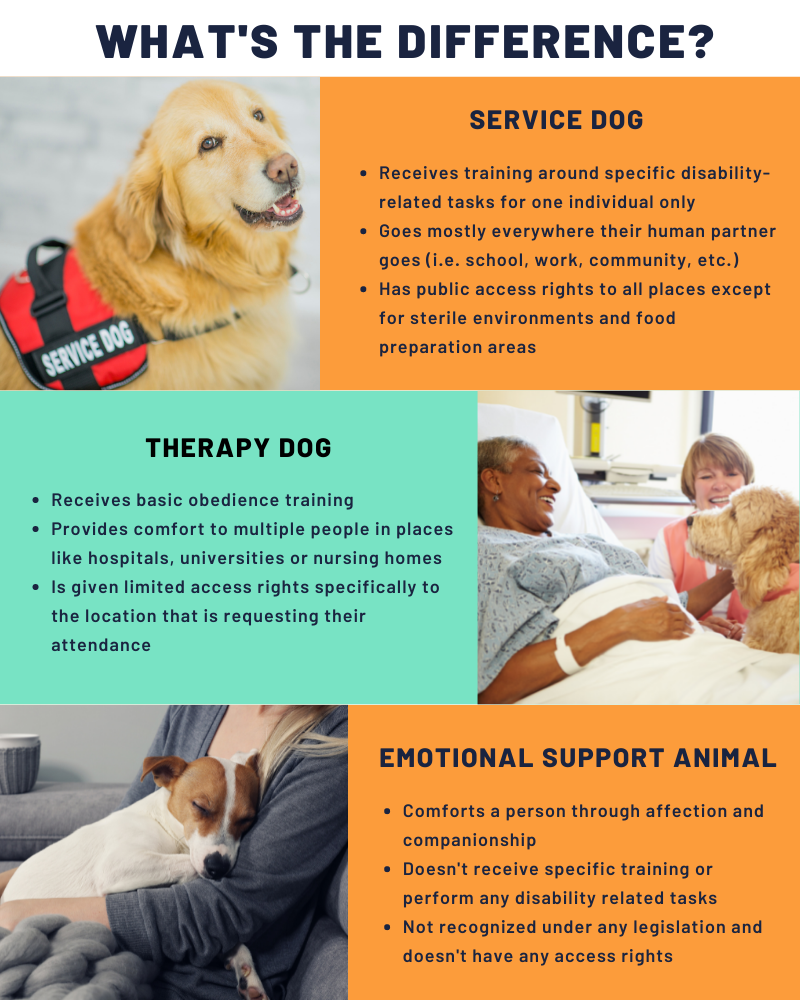
Emotional Support Animals (ESAs) play a crucial role in enhancing the mental well-being of their owners, offering comfort and support that significantly improves quality of life. While ESAs are not required to undergo specialized task training, ensuring they are well-behaved and safe, especially in public, is paramount. This makes general obedience training and house training for an ESA dog not just beneficial, but essential for harmonious living and to prevent potential housing issues. Proper training fosters a strong bond, sets clear behavioral expectations, and can help avoid disruptions that might jeopardize housing security, such as excessive barking.
The Importance of Training for Emotional Support Dogs
While ESAs don’t need to perform specific tasks like service dogs, their training is vital for several reasons. Obedience training helps maintain control and predictability in your dog’s behavior, which is crucial for your peace of mind and for your dog’s safety and the safety of others. House training is fundamental to prevent accidents and maintain a clean living environment, which is particularly important when your dog may need to accompany you in various settings.
Essential Training Components for Your ESA
To ensure your ESA is a well-behaved companion, focus on the following key training areas:
Potty Training: Consistency is key. Establish a regular schedule for taking your dog outside to the same spot, and offer generous rewards for successful outdoor potty breaks. For puppies, frequency is even more critical, with bladder control capacity increasing with age.
Basic Commands (Sit, Down, Stay, Come): Mastering commands like “sit” and “down” forms the foundation of obedience. With a treat held near their nose, lure your dog into the desired position while using the command word, followed by praise and a treat. Building on “sit,” the “stay” command requires gradual increases in distance and duration, always reinforcing with rewards. The “come” command, essential for safety, should be practiced regularly, rewarding your dog when they respond promptly.
“Leave It”: This command is particularly important for ESAs who will be in public spaces. Teach your dog to disengage from tempting items by initially closing your hand around treats. Progress to placing treats on the floor, rewarding your dog for resisting the urge to take them, and using the “leave it” cue.
Deep Pressure Therapy (DPT): For individuals experiencing anxiety or stress, DPT can be a calming technique. Dogs can be trained to apply gentle pressure with their body or paws when instructed. This involves teaching commands like “up” and “down” for positioning and rewarding a calm, comforting presence. Dogs trained in DPT may also qualify as psychiatric service dogs, granting them broader access privileges.
Understanding the Differences: ESA vs. Psychiatric Service Dog (PSD)
While both Emotional Support Animals and Psychiatric Service Dogs offer mental health support, they differ significantly in their training requirements and legal protections.
Training: ESAs do not require specialized task training. Their primary role is to provide comfort through their presence. In contrast, PSDs must be trained to perform specific tasks directly related to their handler’s mental health disability.
Legal Rights: PSDs have broader legal access under the Americans with Disabilities Act (ADA) and the Air Carrier Access Act (ACAA), allowing them in public places and on aircraft. ESAs, on the other hand, are primarily protected under the Fair Housing Act (FHA), which generally allows them to reside with their owner, even in “no pet” housing, provided they do not cause disruptions.
Can Any Dog Be an Emotional Support Animal?
Yes, any breed of dog can potentially be an Emotional Support Animal. The key is finding a dog whose temperament and size are suitable for your lifestyle and needs. Breeds like Golden Retrievers, Chihuahuas, Corgis, Cavalier King Charles Spaniels, and Labrador Retrievers are often well-suited due to their generally affectionate, loyal, and comforting natures, though individual temperament is the most critical factor.
Obtaining an Emotional Support Animal Letter
To officially designate a dog as an Emotional Support Animal, a formal process is required:
- Mental Health Condition: You must have a diagnosed mental health condition.
- Therapeutic Benefit: The presence of your dog must demonstrably help alleviate your condition.
- Professional Evaluation: A Licensed Mental Health Professional (LMHP) must evaluate your condition and confirm the necessity of an ESA.
- ESA Letter: The LMHP must then issue a formal ESA Letter, serving as documentation of your need for an ESA.
Reputable services can guide you through this process, including completing an assessment, consulting with a licensed therapist, and obtaining the official ESA Letter.
Training Resources for Your ESA
For owners looking to train their ESAs, various resources are available. Online training programs led by professional dog trainers can cover everything from basic obedience to more specialized training, catering to ESAs, PSDs, and general pet behavior.
Frequently Asked Questions
- Where to find a trained ESA? Since ESAs don’t require specific certifications, focus on finding a well-behaved dog from reputable sources and then supplementing with training.
- Becoming an ESA trainer: There are no strict legal regulations for training ESAs, allowing individuals to gain experience and expertise through practice and further education.
- Training your own dog: Many owners successfully train their own dogs to be ESAs with dedication and time.
- ESA certification: There is no official certification for ESAs, but good behavior and house training are crucial for public acceptance and housing compliance.
- Puppies as ESAs: Puppies can be trained effectively as ESAs, and starting early often makes the process smoother.