
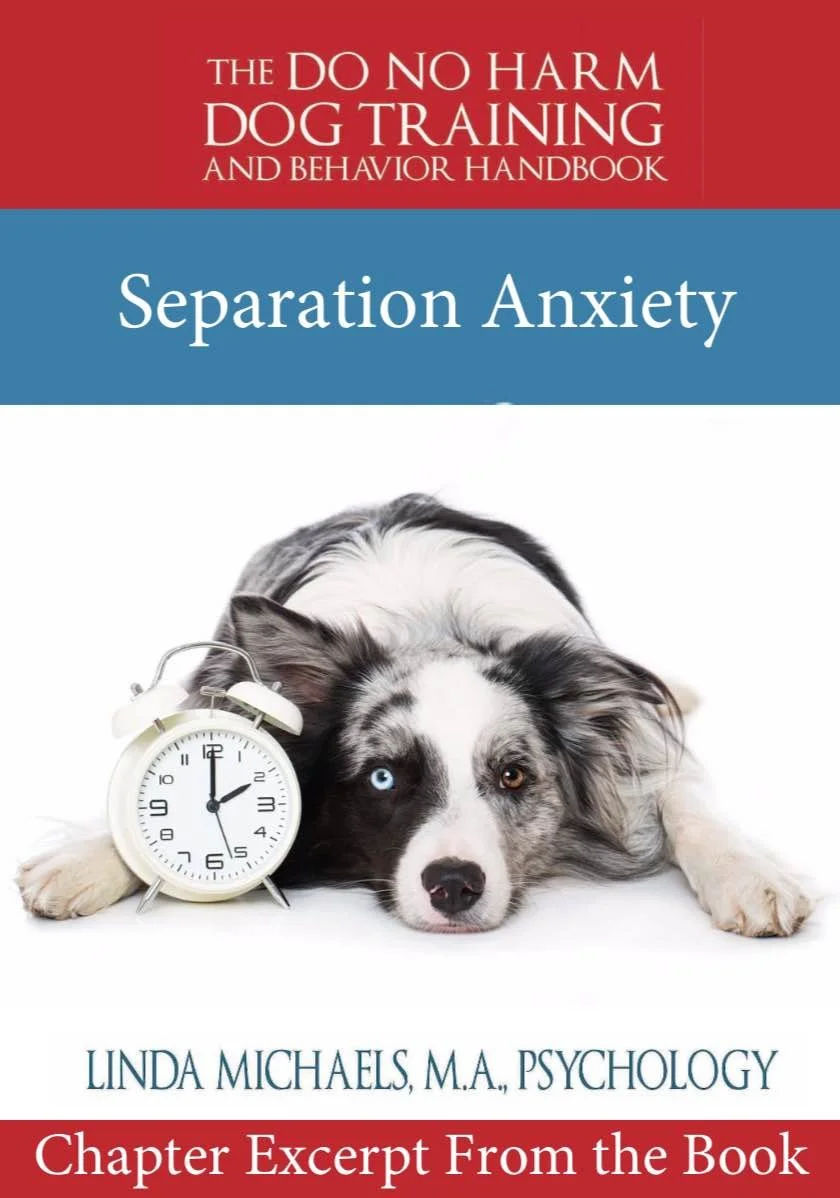
Dealing with a dog that panics the moment you head for the door can be heartbreaking and isolating. However, there is genuine hope for owners of dogs with separation anxiety (SA). By using a scientifically-backed process called desensitization, you can gradually change your dog’s emotional response to your departures. This guide breaks down a realistic, step-by-step plan to help your dog feel calm and safe when left alone.
Understanding Desensitization and Thresholds
The most effective method for treating separation anxiety is desensitization. This involves exposing your dog to your absence in such tiny, manageable increments that the experience eventually becomes boring rather than terrifying.
The golden rule of this training is to keep your dog below threshold. This means you must return to your dog before they show any signs of stress. If your dog begins pacing, panting, salivating, or scratching at the door, they have crossed their threshold, and the training is no longer effective. By staying below this limit, you build a foundation of trust and safety.
Step-by-Step Separation Anxiety Training Plan
1. Establish Your Dog’s Baseline
Before you can start training, you need to know your starting point. Use a dog camera or a video call between two phones to observe your dog’s behavior while you are out. Note the exact second your dog begins to show even subtle signs of stress—such as staring intently at the door or lip licking. This time is your “baseline.” If your dog panics before you even leave, your baseline is zero, and you will start with door desensitization.
2. Manage Departure Cues
Departure cues are the small actions—like picking up keys, putting on shoes, or applying lipstick—that signal to your dog you are leaving. To make initial training easier, try to eliminate or desensitize these cues:
- Eliminate: Put your shoes on an hour before training or change clothes out of your dog’s sight.
- Desensitize: If the sound of keys triggers anxiety, practice picking them up and putting them down dozens of times throughout the day without actually leaving.
3. Prepare the Training Space
Choose a location where your dog feels safe and comfortable, such as a bedroom or a cozy corner with a baby gate. Consistency helps. Prepare the room by closing blinds or turning on white noise if that helps your dog relax. These preparatory steps will eventually signal to your dog that a “safe” training session is about to begin.
4. Execute the Training Session
A standard training session consists of multiple repetitions (reps) and usually follows this structure:
- The Warm-Up (2–7 reps): Perform very short departures of varying lengths. These reps “prime” your dog for the session and reinforce the idea that your coming and going is a non-event.
- Goal Duration (1 rep): This is the longest departure of the session. It should be slightly shorter than your current baseline. For instance, if your baseline is 60 seconds, your goal duration might be 50 seconds.
- The Cool Down (1–2 reps): End with one or two very easy, short reps so the session finishes on a successful, low-stress note.
During these reps, do not use food or treats. While treats work for other types of training, in SA cases, they often act as a temporary distraction. Once the food is gone, the dog may realize you are missing and panic anyway. The goal is true relaxation in your absence, not just a food-focused distraction.
Troubleshooting and Progress Tracking
Handling Setbacks
If your dog shows stress during a session, you have gone too far. Immediately return, let the dog settle, and end the session or try a much shorter rep. External factors like a neighbor knocking or a loud truck can also ruin a session; if this happens, simply stop and try again another day.
Monitoring Success
Consistency is key, but so is tracking. Maintain a spreadsheet to record:
- The date and time of the session.
- The longest duration achieved.
- The number of reps performed.
- Specific observations of your dog’s body language.
Progress in SA training is often measured in seconds and minutes. Moving too fast can lead to setbacks, so respect your dog’s pace. Once your dog is comfortable with a few minutes, you can begin increasing the goal duration by 10–30 second increments.
The Importance of Management
The hardest part of SA training is management: you must commit to never leaving your dog alone for longer than they can handle outside of training. Every time a dog panics in your absence, it reinforces their fear and erodes the trust you are building. This may require using doggy daycare, hiring a pet sitter, or coordinating with friends and family. While this is a significant lifestyle adjustment, it provides the “safety bubble” necessary for the training to actually work.
Seeking Professional Help
If you feel overwhelmed, consider hiring a Certified Separation Anxiety Trainer (CSAT) or an SA Pro Trainer™. These specialists focus specifically on systematic desensitization and can provide the objective eye needed to read subtle body language and keep you motivated.
Separation anxiety is a marathon, not a sprint. By working at your dog’s pace and prioritizing their emotional comfort, you can eventually achieve the freedom to leave your home knowing your dog is resting peacefully.
References
- Malena DeMartini-Price, Certified Separation Anxiety Training Program.
- Julie Naismith, Be Right Back!: How to Overcome Your Dog’s Separation Anxiety.
- Fenzi Dog Sports Academy, Home Alone: Treating Separation Anxiety.