
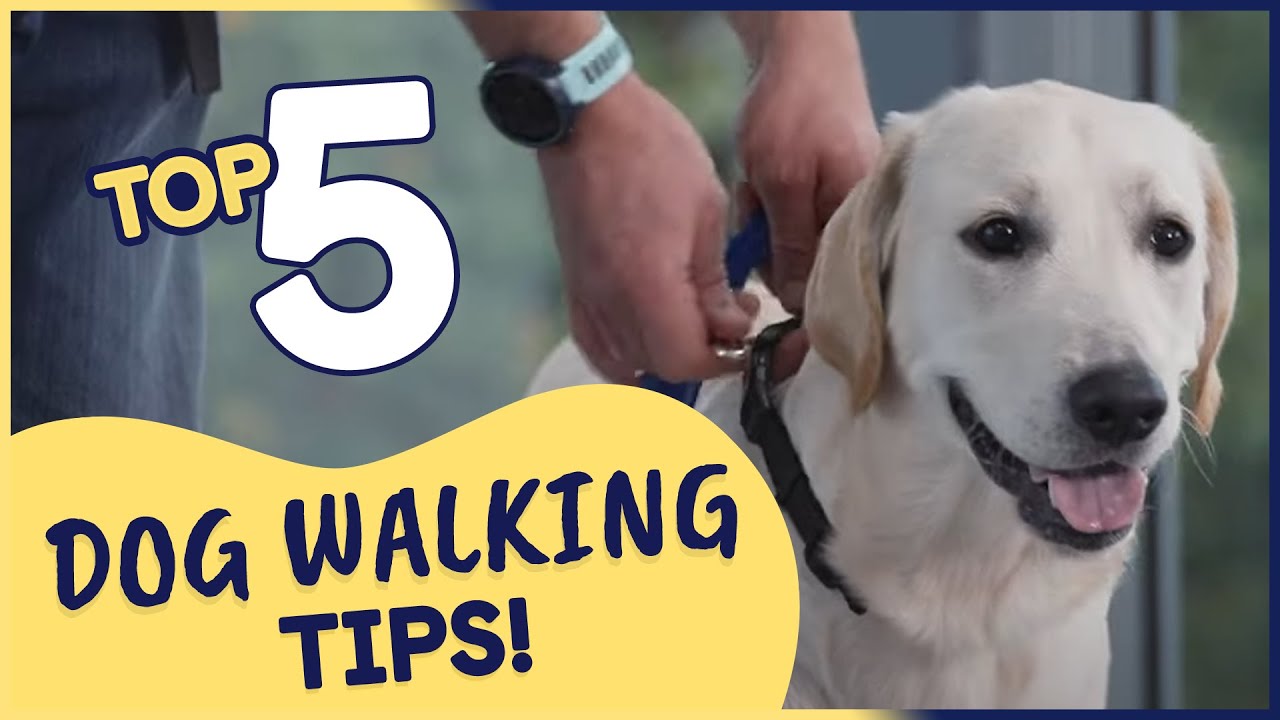
Walking your dog should be the highlight of your day, not a physical struggle that leaves your arm aching. Many owners mistakenly believe that stopping a dog from pulling requires force or specialized “anti-pull” gadgets. However, the most effective way to achieve a peaceful walk is through patience, positive reinforcement, and a shift in perspective. Instead of demanding a rigid “heel,” the goal is loose lead walking—a state where the lead remains slack, and both you and your dog are relaxed.
Rethink Your Training Gear and Approach
Before you start training, it is essential to understand what you truly need and, more importantly, what you should avoid. Effective loose lead walking is built on trust and clarity, not pain or intimidation.
What to Avoid
- Punishment: Scolding or jerking the lead only creates anxiety and damages your bond.
- Choke chains or prong collars: These cause physical pain and can lead to long-term neck injuries.
- Head collars and anti-pull harnesses: While these might stop pulling temporarily, they often work by making the dog uncomfortable and rarely teach the actual skill of walking nicely.
- The “Boss” Mentality: Dogs don’t pull to dominate you; they pull because they are excited and naturally walk faster than humans.
Essential Tools for Success
- Tasty Treats: High-value rewards are non-negotiable for reinforcing good behavior.
- Fixed Length Lead: A multi-clip training lead (like a Halti lead) is ideal.
- Flat Collar and Harness: A comfortable, non-tightening collar and a well-fitting harness with a back clip provide the best safety and comfort.
Why ‘Loose Lead’ is Better Than ‘Heel’
In competitive obedience, “heel” means the dog is glued to your side, looking up at you. For a daily walk, this is often unnecessary and even unfair to the dog. Dogs experience the world through their noses. If they are forced to walk in a strict heel, they can’t sniff, explore, or enjoy their environment.
Loose lead walking allows your dog to walk ahead, behind, or to the side. As long as the lead is not taut, they are doing a great job. This approach allows your dog to “be a dog” while ensuring you aren’t being dragged down the street.
The Training Process: Step-by-Step
You don’t necessarily need a verbal command like “heel.” Instead, you can use your equipment as a signal. By using a double-ended lead clipped to both the harness and the collar during training, and just the harness during “free time,” you give your dog a clear physical cue that it’s time to focus.
1. Start Small and Focused
Choose a quiet environment with minimal distractions. Start with very short sessions—about 30 seconds at a time.
2. Reward the Slack
The moment the lead goes loose, give your dog a treat. In the beginning, reward them every couple of steps to keep their attention on the desired behavior.
3. Handle the Pulling
If your dog begins to pull, do not jerk the lead. Simply slow down or stop. Wait for them to look back at you or move back toward you. Once the tension is gone, take a few steps forward and reward them immediately.
4. Transitioning to Longer Walks
As your dog improves, you can gradually increase the duration of the training sessions and decrease the frequency of treats. However, only change one variable at a time to avoid confusing your pet.
Addressing Common Concerns
“Why only short sessions?”
Training is mentally exhausting for dogs. It is better to have three minutes of perfect walking than thirty minutes of frustration. Over time, these short bursts of success will merge into a permanent habit.
“Do I have to use treats forever?”
Treats are essential during the learning phase. Think of them as a “salary” for learning a difficult skill. Once the behavior is ingrained, you can phase them out, though an occasional reward helps maintain the behavior long-term.
“What about head collars?”
Many dogs find head collars highly distressing. While they can be a last resort for very large, powerful dogs, they should be introduced slowly with positive associations rather than just forced on.
Conclusion
Mastering the loose lead walk takes time, but the reward is a lifetime of enjoyable, stress-free adventures with your canine companion. Remember to keep sessions fun, stay consistent, and always prioritize your dog’s well-being over rigid perfection. If you find yourself struggling, don’t hesitate to reach out to a professional positive-reinforcement trainer for guidance.
References:
- Association of Pet Dog Trainers (APDT) – Loose Lead Training Guides
- The Kennel Club UK – Guide to Walking on a Lead
- Halti Training Lead – Manufacturer Guidelines and Usage