
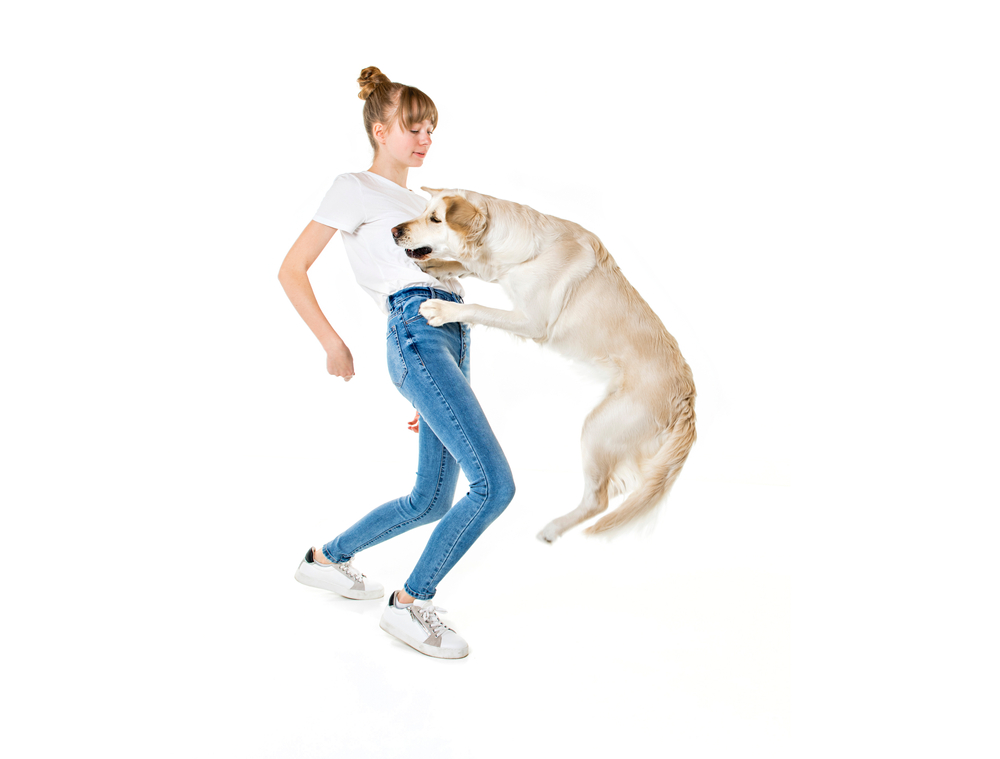
Dogs jump for a variety of reasons, ranging from pure excitement and a desire for attention to simply not knowing how else to interact when they see a person. While we often find this behavior endearing in a fuzzy puppy, it quickly transforms into a significant nuisance as the dog grows. More importantly, allowing a dog to jump can be physically dangerous; it can lead to scratches, bruises, or even serious injuries if a child or a frail adult is knocked over.
Addressing the habit of jumping requires a dual approach: proactive management of the environment and consistent dog training. By combining these two elements, you can ensure safety while teaching your canine companion the proper way to greet the world.
Proactive Management Techniques
Management involves controlling the environment so your dog never gets the opportunity to practice jumping in the first place. You should rely on these techniques while your dog is still in the learning phase.
For instance, if your dog tends to jump on visitors, consider these strategies before your guests arrive:
- Utilize a Crate: Safely place your dog in their crate until the initial excitement of the guest’s arrival has passed.
- Room Confinement: Keep your dog in a separate room or behind a baby gate.
- Leash Control: Keep your dog on a leash and ask for a “sit” as the guest enters. Always reward the dog for maintaining a calm posture.
By preventing the act of jumping through management, you stop the behavior from being reinforced while you work on long-term training goals.
Core Training Principles
The secret to successful dog training for jumping is teaching your pet that jumping results in zero attention. Dogs crave interaction, so withdrawing it is a powerful tool.
The Power of “Four on the Floor”
The most basic rule is that your dog only receives affection or rewards when all four paws are on the ground. If your dog jumps, immediately turn your back and ignore them. Once they settle down and remain grounded, you can then offer praise or a pet.
Incompatible Behaviors
A highly effective method is teaching your dog an “incompatible behavior.” A dog cannot sit and jump at the same time. By reinforcing a strong “sit” command, you give your dog a constructive alternative to jumping. If they aren’t sitting, the interaction stops. [Internal_link: Professional obedience training tips].
Specific Training Scenarios
1. Jumping on Guests and Strangers
To tackle jumping on others, enlist the help of a friend your dog likes. Ensure the dog is never forced to greet someone who makes them feel fearful.
- Command your dog to “sit” as the greeter approaches.
- If the dog stands up or breaks the sit, the greeter must immediately turn and walk away.
- Repeat the process until the dog remains seated throughout the approach.
- Once successful, the greeter can reward the dog with a high-value treat.
When walking in public, be vocal. Tell strangers you are training and ask them not to approach unless the dog is sitting. You can even hand the stranger a treat to give to your dog—provided they stay seated.
2. Jumping at the Front Door
Many dogs get overstimulated when you return home. To combat this, keep your greetings very low-key and quiet. If your dog jumps the moment you walk in, ignore them and immediately walk back out the door. You may need to repeat this “entry and exit” dozens of times before the dog realizes that only a calm, four-paws-on-the-floor greeting earns your attention.
3. Jumping While You Are Seated
If you are relaxing on the couch and your dog jumps on you, simply stand up. Avoid pushing them away or scolding them, as negative attention is still attention. Stand silently and ignore the dog until they have calmed down with all feet on the floor.
Conclusion and Consistency
The most vital component of any dog training program is consistency. Every member of the household must follow these rules without exception. You cannot allow the dog to jump “just this once” or only when they are wearing a harness; this sends mixed signals and stalls progress.
While some people may say they don’t mind a small dog jumping on them, you must remain firm in your training goals. By staying patient and consistent, you will cultivate a well-mannered companion who knows how to greet everyone with politeness and restraint. If you find yourself struggling with persistent jumping, consider contacting a professional dog training center for personalized guidance.
References
- Association of Professional Dog Trainers (APDT): Greeting Manners and Training.
- American Kennel Club (AKC): How to Stop Your Dog From Jumping on People.
- Humane Society: Positive Reinforcement Training Basics.