
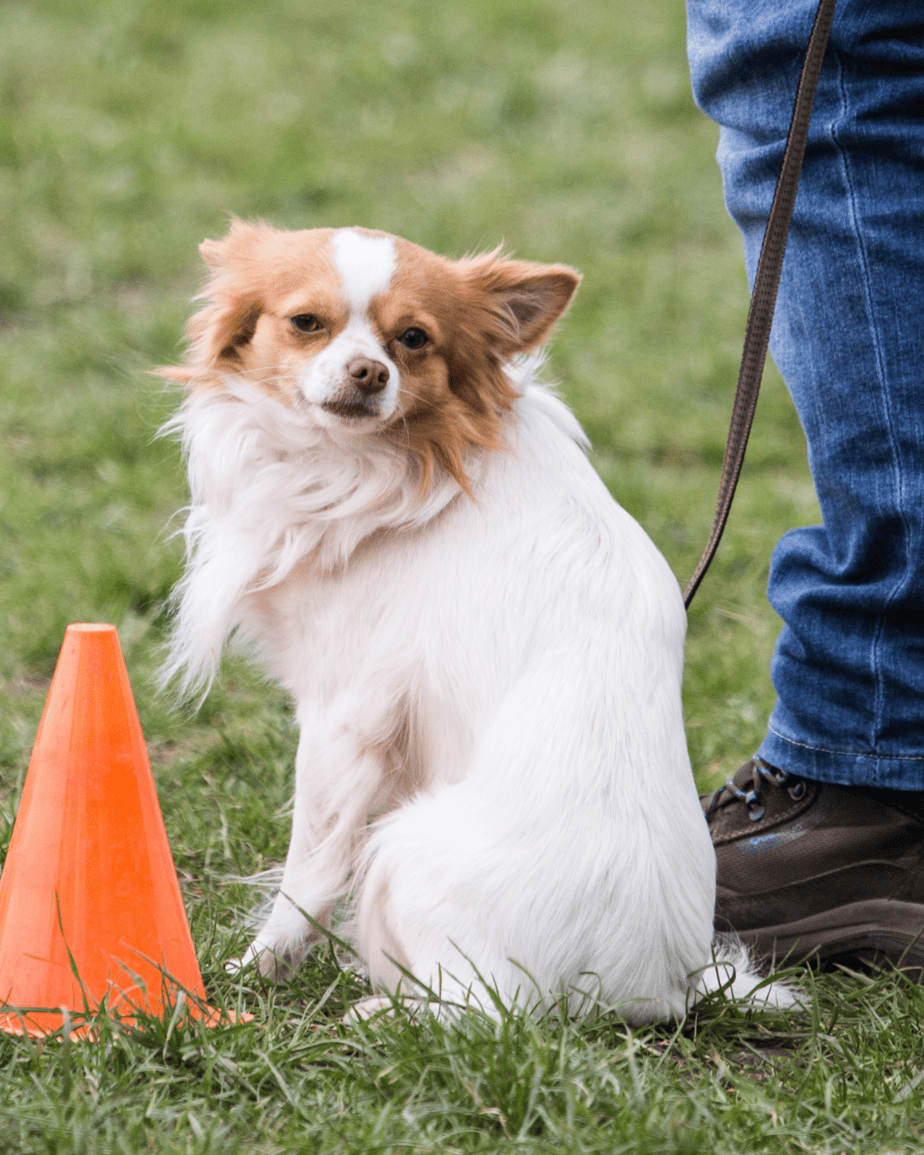
Training a dog can sometimes seem straightforward, but the reality is that some dogs present unique challenges. These dogs, while perhaps distractible, unmotivated by food, or exhibiting stubbornness, are also capable of being highly trainable, fiercely loyal, and incredibly lovable companions. This guide is dedicated to helping you navigate the process of training a stubborn dog.
Why Do Some Dogs Seem Stubborn?
Labeling a dog as “stubborn” often overlooks their inherent independence and personality. Much like humans, dogs possess distinct traits, and certain breeds are predisposed to a more strong-willed nature. Breeds such as Shiba Inus, Beagles, and Dachshunds, often characterized as stubborn, share a common background as hunting dogs. Their breeding required them to think independently, outsmart prey, and even make decisions without immediate human input. This independent thinking can translate into a perceived unwillingness to follow commands, as they may seem to “know better” or prioritize their instincts over human direction.
Other breeds, like Saint Bernards and English Bulldogs, might be labeled as unmotivated or unmoving. Saint Bernards were bred as mountain rescue dogs, and their calm demeanor aids in comforting those who are lost or injured. Similarly, English Bulldogs were bred to hold their ground. Their inherent traits, while valuable for their original purpose, can contribute to a training style that requires a different approach. Most dogs, including mixed breeds, may inherit traits from these working lines, potentially making the training process more demanding. However, the fact that these dogs were bred for specific tasks means that dog training for stubborn breeds is indeed possible with the right strategies.
How to Train a Stubborn Dog
1. Cultivate Patience
Training a stubborn dog is akin to running a marathon; progress may be gradual, and celebrating small victories is crucial. For instance, a dog exhibiting stubbornness in public might be struggling with distractions. Encouraging practice in a less distracting environment and slowly increasing the challenge is key. If a dog struggles with a new distraction level, it’s important to regress to a previous, more manageable step. Patience is paramount, as frustration will hinder learning and can cause the dog to shut down. Maintaining a calm demeanor is essential for effective training.
2. Embrace Positive Reinforcement
Dogs generally respond best to positive reinforcement training methods, rather than punishment. For stubborn breeds, the rewards need to be exceptionally motivating. This can include high-value treats, ample praise, affection, playtime, and engaging chew items. The objective is to make desired behaviors feel like a significant reward, fostering positive associations with performing commands. This approach helps build trust and reinforces the understanding that cooperation with their human leads to positive outcomes.
3. Deconstruct Tasks into Manageable Steps
When teaching a command like “stay,” it’s beneficial to break it down into smaller increments. Instead of expecting a long duration or distance immediately, start by rewarding brief moments of compliance. For example, take a single step away, then return and reward if the dog stays in place for even a couple of seconds. Gradually increase the distance and duration as the dog succeeds, always reinforcing with a highly valued reward. This gradual progression prevents overwhelm and confusion for both the dog and the owner, communicating clearly through consistent positive feedback.
4. Maintain Command Consistency
Consistency is vital for all dogs, but it is especially critical for those perceived as difficult to train. Using the same word and tone for each command every time helps eliminate confusion. For instance, always use “sit” and avoid variations or adding extra words if the dog doesn’t respond immediately. Agitation in the voice should also be avoided. Over time, the dog will learn to associate the specific word with the action, even with different tones or from different people. This structured approach creates a clear path for learning.
5. Identify Your Dog’s Motivation
Every dog has unique motivators. While some dogs are highly food-driven, others respond better to toys, play, or verbal encouragement. Experimentation is necessary to discover what truly drives your individual dog. For a stubborn pup, a favorite squeaky toy or an energetic game of fetch might be more effective than treats. Observing your dog’s reactions during training sessions will help you pinpoint their most effective rewards.
6. Conduct Short, Focused Training Sessions
Stubborn dogs often have shorter attention spans, making brief, focused training sessions ideal. Aim for 5-10 minutes per session, concentrating on one command at a time. It’s important to end each session on a positive note, even if it means returning to a command the dog has already mastered. This ensures the dog’s last experience with training is a successful and rewarding one, increasing their eagerness for future sessions.
7. Integrate Mental Stimulation
Many behavioral issues, including those seen in stubborn breeds, stem from boredom and anxiety due to a lack of mental engagement. Providing sufficient mental stimulation is crucial. Activities like chewing on a marrow-filled dog bone can serve as an engaging puzzle, satisfying a dog’s natural instincts and providing mental exercise. Mentally stimulated dogs tend to feel more secure and trusting, making them more receptive to training. Offering such enrichment activities demonstrates that you are providing for their needs, strengthening your bond and their willingness to cooperate.
For those seeking to deepen their understanding of positive reinforcement for training stubborn dogs, consider exploring resources like a Free 7-Day Dog Training Challenge to further enhance your skills and build a stronger relationship with your canine companion.