
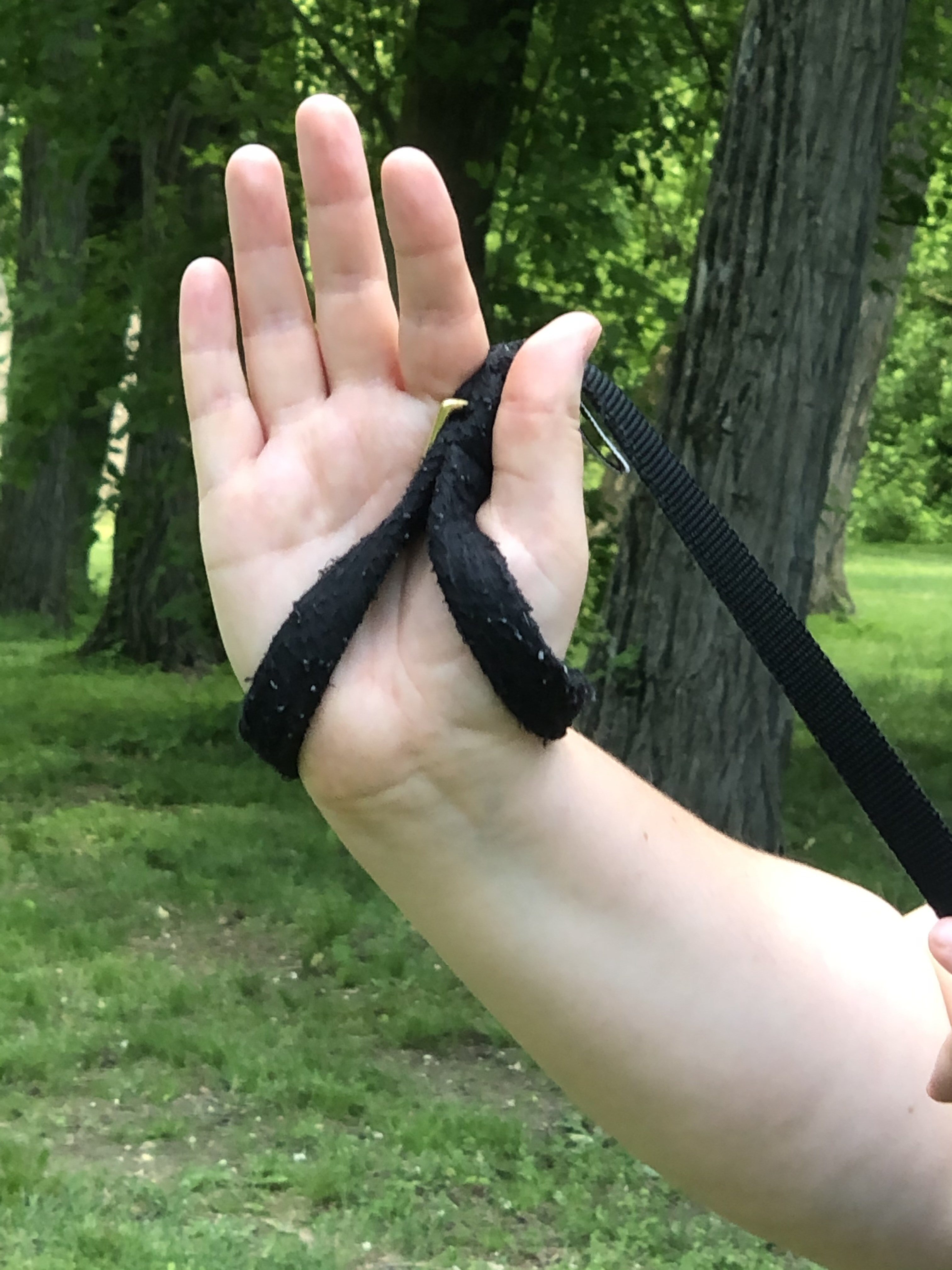
Teaching a dog to walk on a loose leash is often the most challenging task for pet owners. Over the years, training philosophies have shifted from corrective “leash pops” to passive tools like head halters, and finally to modern, science-based reinforcement. However, the most significant breakthrough in modern canine education is the realization that loose leash walking is not a single command—it is a complex set of interactions between the dog, the handler, and the environment.
By understanding the “why” behind pulling and breaking the walk down into manageable skills, you can transform a daily struggle into a rewarding bonding experience.
1. Embrace the Power of a Longer Leash
It may seem counterintuitive, but a short leash is often the primary cause of pulling. When we restrict a dog to a standard 6-foot lead, we often trap them just inches away from interesting smells. This teaches the dog that “oomph” or extra tension is the only way to reach their “treasure.”
The Benefits of Freedom
Research suggests that giving dogs more room to sniff has profound emotional benefits. When dogs engage in “nosework” on a walk, their heart rates slow down, and they exhibit more “optimistic” behavioral traits.
- Abolishing the Urge to Pull: By allowing more access to the environment, the value of those “distractions” actually decreases through satiation.
- Safe Exploration: A leash between 8 to 15 feet (made of flat biothane or similar material) allows for natural movement.
- Harness Choice: Long lines should always be attached to the back clip of a non-restrictive harness to prevent neck injury and provide better balance.
Note: Retractable leashes are generally discouraged for training because the constant tension required to extend the line actually reinforces the habit of pulling.
2. Manage the Slack
Regardless of the leash length, the goal is to keep the line slack. A tight leash often acts as a “cue” for voluntary pulling. For example, if a dog feels tension and then successfully reaches a bush to sniff, they have been reinforced for pulling.
Handler Skills: The “Gather” and the “Dip”
Handlers should practice two essential leash management techniques in low-distraction environments:
- The Gather: Shortening the leash quickly and smoothly without adding sudden tension.
- The Dip: Intentionally lowering your hand to create slack when you feel the line go taut.
By pairing these movements with treats, you turn leash tension into a cue for the dog to “check in” or orient toward you, rather than lunging forward.
3. Essential Prerequisite Skills
Instead of just reinforcing a “loose leash,” focus on the specific behaviors that create that result.
Key Behaviors to Train:
- Voluntary Check-ins: Reward your dog every time they look at you without being asked. If they enjoy looking at you, they will naturally stay close enough to do so.
- The “Takeout Window”: Deliver treats at your hip on the side you want the dog to walk. This creates a “default” position where the dog expects rewards.
- The “Stop” Cue: Teach your dog that when you slow down or stop, they should also pause and check in.
- Tension Response: Practice “tension = treat” games. When the dog feels the slightest bit of resistance, they should learn to turn back toward you to receive a high-value reward.
4. Strategic Reinforcement Delivery
How and where you deliver rewards matters. You want to capture the dog in a desirable behavior (like trotting calmly) and set them up for the next success.
- The “Treat Toss”: If your dog loves to sniff, toss a treat forward into the grass. The reward becomes the treat plus the opportunity to continue sniffing.
- Forward Momentum: Deliver the treat right in front of the dog’s nose while you are both moving to maintain flow.
Conclusion: A Lifetime of Practice
Loose leash walking is a dynamic skill that requires patience and consistency. It is a dialogue between species. By prioritizing your dog’s emotional needs—specifically their need to explore and sniff—and providing clear, reinforced boundaries, you move away from a “battle of wills” and toward a partnership.
Always start training in low-distraction areas like your hallway or backyard before heading to the park. Remember, every walk is an opportunity to reinforce the connection you share with your dog.
References
- Companion Animal Psychology: The importance of sniffing and long leashes.
- Dog Field Study: Pulse rates and leash length correlations.
- Behavior Works: The risks of aversive control in dog training.
- Grisha Stewart: BAT (Behavior Adjustment Training) leash handling techniques.