
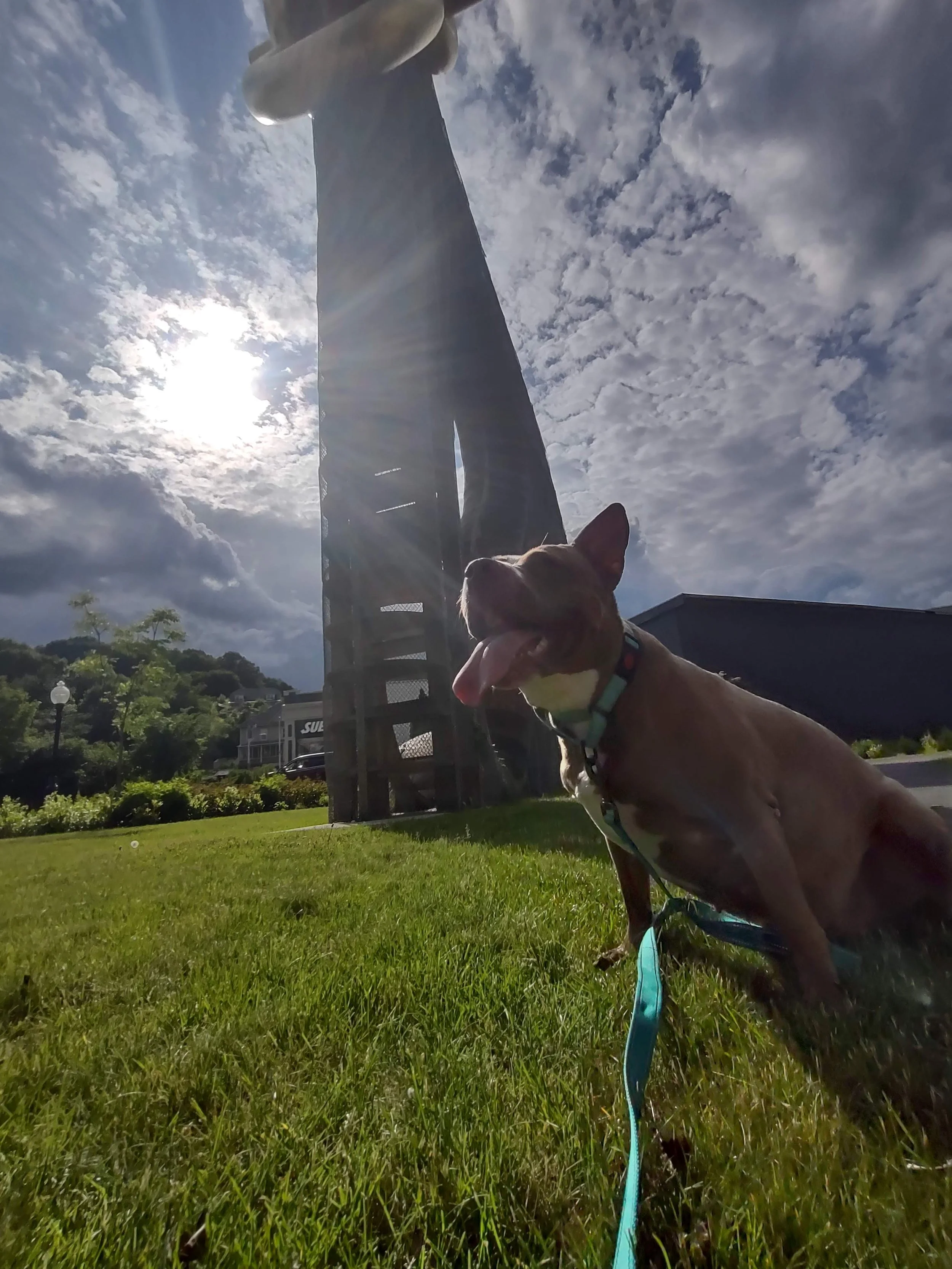
A dog who pulls on the leash can transform a peaceful outing into a frustrating struggle in an instant. Beyond the annoyance, constant pulling is uncomfortable for the handler and can even be dangerous on slippery sidewalks. When faced with a pulling pup, many owners label the behavior as disobedient or an attempt to be “alpha.” However, a dog pulling on the leash isn’t harboring a hidden agenda; they aren’t “bad dogs” trying to challenge your leadership.
Leash pulling is one of the most common complaints dog trainers receive. Consequently, the internet is flooded with tips and tricks. The problem is that not all advice is sound; some suggestions for leash training are ineffective, while others are downright dangerous or even abusive. To find harmony on your walks, we must first clear the air regarding common misconceptions and adopt a fresh perspective on why dogs do what they do.
Why Dogs Pull: The Canine Perspective
Before we can fix the behavior, we must understand the “why.” In the world of dog training, we live by the mantra: behavior happens for a reason.
- Natural Pace: Most dogs naturally walk much faster than humans. They are built for efficient movement, a trait inherited from their ancestors. Your dog isn’t “rushing” you; they are simply moving at their comfortable cruising speed.
- The Power of the Nose: Dogs experience the world through scent. When your dog pulls toward a patch of grass, they are gathering vital information about their environment. This mental engagement is what makes a walk truly fulfilling for them.
- Goal-Oriented Movement: Dogs pull because it works. They learn quickly that tension on the leash often leads to the reward they want—a new smell, a friendly neighbor, or a fellow canine.
Common Training Myths to Avoid
Many traditional “tips” for how to train a dog to walk on a leash focus on micromanagement rather than education. Here is why some popular methods fall short:
1. The Short Leash Strategy
The idea is that if a dog has no room to pull, they won’t. While this might physically keep the dog at your side, it requires constant micromanagement. It strips the joy from the walk by preventing the dog from sniffing and exploring, effectively sucking the life out of the experience without teaching any actual skills.
2. Eliminating Sniffing
Some suggest that allowing a dog to sniff causes them to “take over” the walk. In reality, a walk without sniffing is incredibly dull. If we don’t let dogs engage their brains, they return home physically tired but mentally frustrated.
3. The “Alpha” Myth
You may have heard that a dog walking in front of you is trying to be the “pack leader.” Science has long since debunked the alpha/dominance theory in domestic dogs. Dogs move forward because they are excited, not because they are trying to dominate you.
4. Leash Corrections and Punitive Collars
Using “jerks” or tools like prong and choke collars relies on pain or discomfort to stop behavior. While a punisher might stop the pulling in the moment, it risks causing physical trauma to the dog’s neck (trachea, esophagus, and jugular vein) and emotional damage. Furthermore, it only tells the dog what not to do, rather than teaching them the desired behavior.
How to Effectively Address Leash Pulling
If you want your dog to stop pulling, you must decide what you want them to do instead and then teach them that specific behavior.
Start by asking: What is the function of this behavior? If your dog is pulling to get to a scent, use that scent as the reward for a loose leash. Start your loose leash walking practice in a low-distraction environment, like your living room. Once they are successful there, gradually move to the backyard, then the front yard, and eventually the sidewalk.
The Role of Management
While you are in the training phase, use management to prevent your dog from practicing the “pulling” habit:
- Choose Your Environment: Walk in quieter areas where your dog is less likely to be triggered to pull.
- Try a Longer Leash: A 10-foot or 15-foot leash often gives a dog enough freedom to sniff without reaching the end of the line, instantly reducing tension.
- Pre-walk Exercise: If your dog has “zoomies,” let them run in a yard or play fetch before the walk so they can approach the stroll with a calmer mindset.
Conclusion
The secret to a successful walk is finding a balance where your dog’s needs for enrichment and exploration are met without compromising your comfort. Focus on rewarding the behavior you want rather than punishing the behavior you don’t. Remember: a dog who pulls isn’t a bad dog—they are just a dog being a dog. By using humane, science-based dog training tips, you can turn your daily walks into a bonding experience rather than a tug-of-war.
References
- Vanessa Charbonneau, Dog Care for Puppies: A Guide to Feeding, Playing, Grooming and Behavior.
- AVSAB Position Statement on Humane Dog Training.
- Family Structure Studies in Canines (Coppinger & Coppinger).