
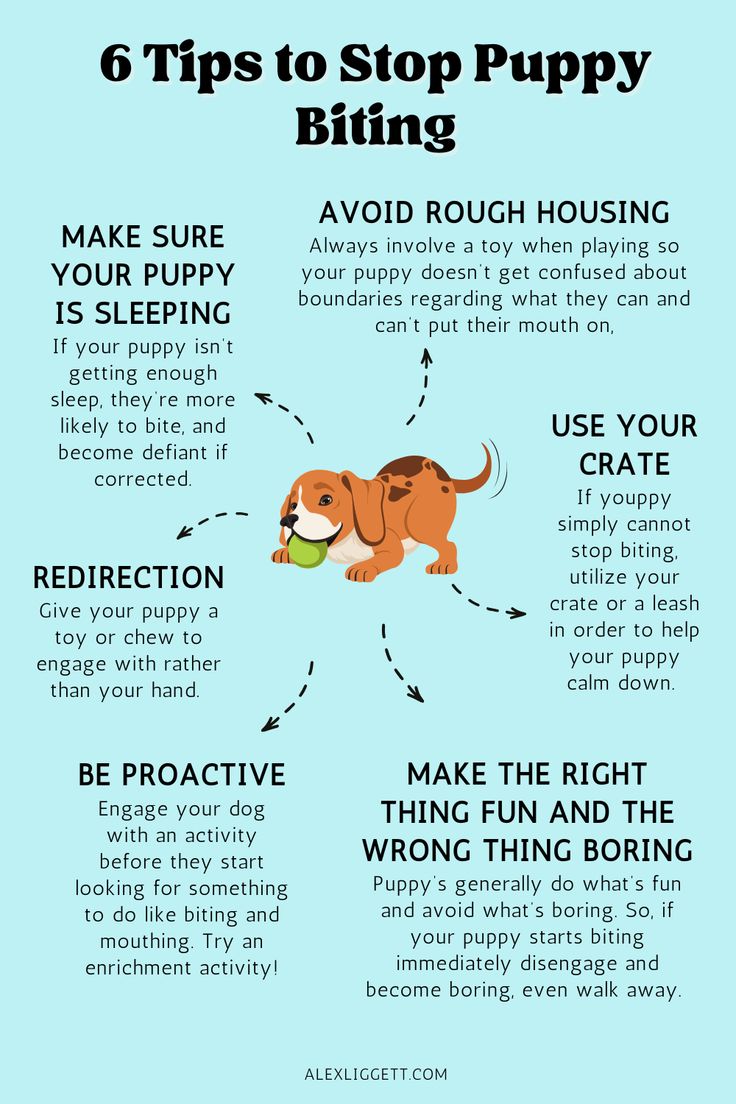
Leash biting can be a frustrating habit for new puppy owners, often turning walks into a battle of wills. Understanding why your puppy bites the leash and implementing the right training techniques can help you overcome this common issue and enjoy more peaceful outings. This guide will walk you through effective strategies to curb leash biting, drawing from proven methods and real-life success stories.
Understanding the Root of Leash Biting
Puppies explore the world with their mouths, and this natural instinct extends to their leashes. However, sometimes owners inadvertently reinforce this behavior. When a puppy chews on the leash, the owner’s immediate reaction is often to pull it away or scold the puppy. This attention, even negative attention, can be perceived by the puppy as a reward, teaching them that biting the leash is an effective way to get their owner’s focus. This is why consistency and a strategic approach are key to breaking the habit.
Effective Strategies to Prevent and Stop Leash Biting
Several methods can be employed to address leash biting. The goal is to make the leash less appealing to chew on and to redirect your puppy’s attention to more appropriate behaviors.
1. Utilize Chew-Proof Leashes
For puppies in the persistent leash-biting phase, a chain or cable leash can be a practical solution. These durable leashes are designed to withstand chewing, making it impossible for your puppy to damage them. By using such a leash, you can avoid accidentally rewarding the biting behavior with attention. This allows you to calmly ignore the chewing, which is often the most effective way to extinguish the habit.
2. Employ the Two-Leash Technique
A clever approach for puppies who tend to bite and tug is to use two leashes simultaneously. Hold one leash in each hand. When your puppy starts to bite and tug one leash, you can intentionally drop that leash. Since there’s nothing to tug against, the puppy’s motivation to bite that specific leash diminishes. It’s crucial to remain attentive and ensure you don’t accidentally drop both leashes. This method requires focus but can quickly teach your puppy that biting the leash is not a rewarding game.
3. Strategic Training and Redirection
Proactive training is highly effective in preventing leash biting before it even starts. Immediately after attaching the leash, or even just before, engage your puppy with a positive activity. You can scatter a small handful of treats on the ground for your puppy to find. Alternatively, toss treats back and forth to keep your puppy focused on you and the game. Once your puppy is engaged, you can introduce simple commands they already know, such as “Sit,” “Down,” or “Touch.” This redirects their energy and attention to learning and interacting with you, rather than focusing on the leash. This “how to train dog to come here” approach can be a foundation for other redirection techniques.
Success Story: Training Sadie
Sadie, a six-and-a-half-month-old Labrador, struggled with leash chewing when she arrived for board and train. While she remained calm during harness fitting, she immediately started mouthing the leash as soon as it appeared. By implementing strategic training, including the use of treats and redirection techniques as she was about to leave the house, Sadie learned to disassociate the leash with chewing and began walking calmly. You can see how this process was applied in this video Watch here. This approach demonstrates how redirecting your puppy’s focus can effectively curb unwanted behaviors like biting the leash.
Conclusion
Stopping your puppy from biting the leash requires patience, consistency, and the right techniques. By understanding the underlying reasons for the behavior and employing strategies like using chew-proof leashes, the two-leash method, and strategic redirection, you can successfully modify your puppy’s habits. Remember that addressing behaviors like “how to stop your puppy from jumping up on you” or “how to stop your puppy biting the lead” often involves consistent training and positive reinforcement. If you’re struggling to manage leash biting or other behavioral issues, consider consulting a professional dog trainer for personalized guidance and support.