
Jumping is a common canine behavior, especially during greetings. While it may seem enthusiastic to some dogs, for humans, it can be perceived as rude and even problematic. This article explores effective methods to train your dog to stop jumping on people, ensuring a more pleasant interaction for everyone.
Understanding the Root of the Behavior
Dogs often jump for several reasons. It can be an instinctual way to greet one another, especially in play or excitement. When dogs interact, they are typically at a similar height. For humans, who stand upright, a dog’s jump can be more pronounced. It’s crucial to understand that dogs don’t inherently view jumping as undesirable behavior as humans do. They may be trying to get closer to your face for a greeting or simply expressing their excitement.
The Power of Positive Reinforcement and Celebrating Desired Behaviors
A key strategy in training your dog to stop jumping is to reinforce the behaviors you do want to see. This concept is often referred to as “celebrating.” Instead of solely focusing on discouraging jumping, actively reward your dog when they exhibit alternative, desirable actions like sitting, coming when called, lying down, or making eye contact. This consistent positive reinforcement communicates clearly to your dog what actions earn praise and attention, helping them develop desirable habits and a greater sense of security.
Implementing Consistent Training Techniques
Consistent use of a marker word, such as “yes” or a clicker sound, followed by a reward, is fundamental. This helps your dog understand precisely which action earned them the treat. Hand targeting, where the dog touches your hand with their nose, can be a valuable exercise. It teaches them a polite way to interact and can be a desired behavior to offer instead of jumping.
Enriching Your Dog’s Environment and Exercise Routine
For high-energy dogs, ensuring they have adequate physical and mental stimulation is vital. Incorporating enrichment activities can help expend excess energy, making them less likely to resort to jumping. Consider using snuffle mats and puzzle feeders for meals, engaging them in scent games, or hiding treats in boxes for them to discover. A well-exercised and mentally stimulated dog is often better behaved, setting them up for success in learning not to jump on people.
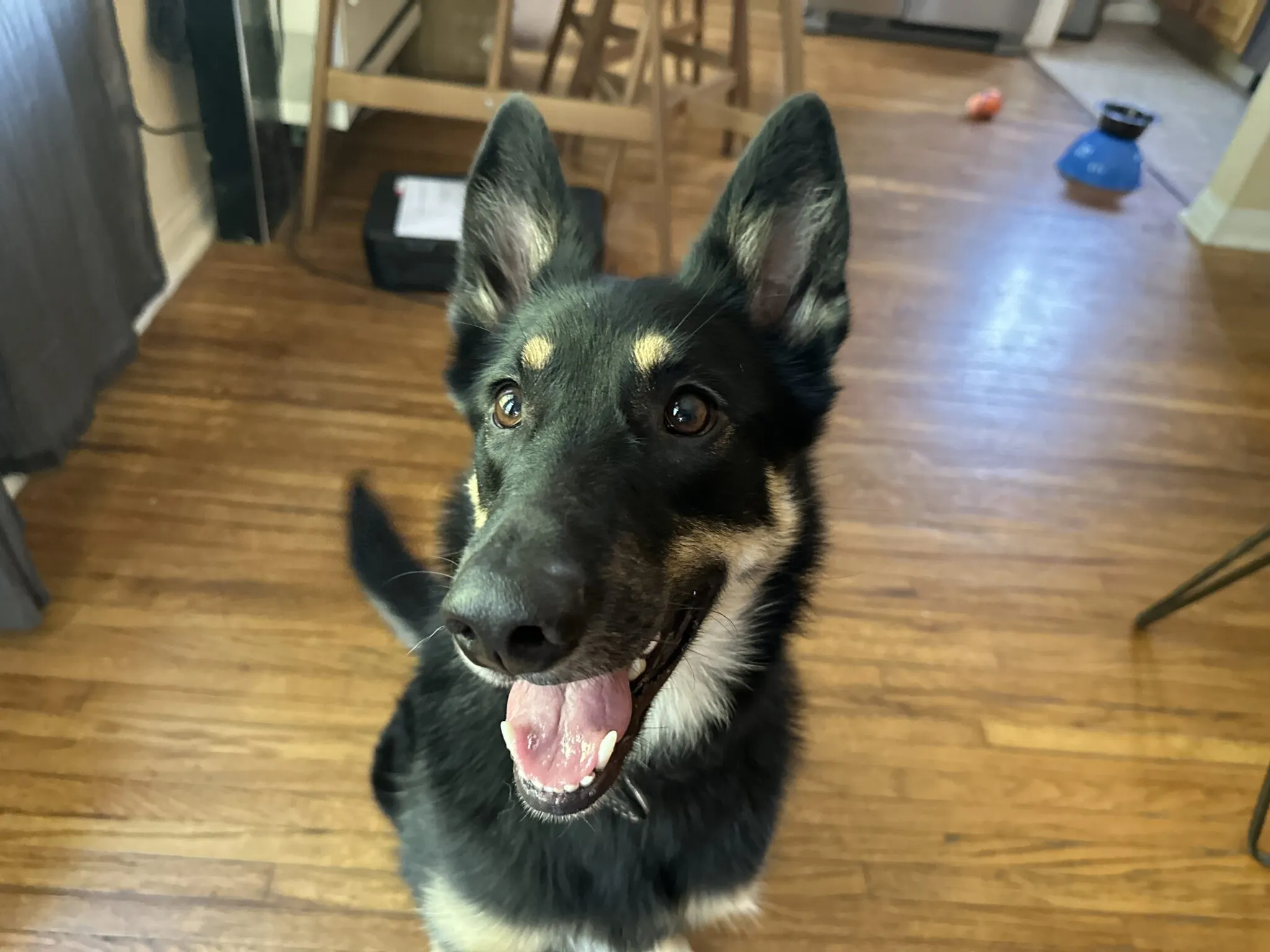
Step-by-Step Training to Prevent Jumping
To effectively train your dog to stop jumping, a clear plan and a step-by-step approach are essential. Teaching your dog alternative greeting manners is highly effective. This involves rewarding them for behaviors incompatible with jumping, such as sitting politely when someone arrives.
A practical exercise is to practice a desired behavior, like hand targeting, every time you enter your home. Performing five to ten repetitions each time can help your dog practice the new behavior in a familiar context. Remember that establishing new habits takes time, often around three months. Consistent practice, even for short durations, is key to long-term success.
Gradually Introducing the New Behavior with Guests
After consistent practice in a calm environment, you can begin incorporating the training when guests are present. It’s advisable to choose a friend or family member who understands the training goals and can follow directions. This cooperative approach is crucial when aiming to stop a dog from jumping on visitors.
Conclusion: Building a Polite Greeting Routine
Training your dog to stop jumping on people is achievable with patience, consistency, and positive reinforcement. By celebrating desired behaviors, providing adequate enrichment, and practicing specific exercises, you can teach your dog polite greeting manners. Remember that building new behaviors takes time, so commit to regular practice to ensure your dog becomes a well-mannered companion. If you’re struggling with persistent jumping issues, consider seeking guidance from a professional dog trainer.