
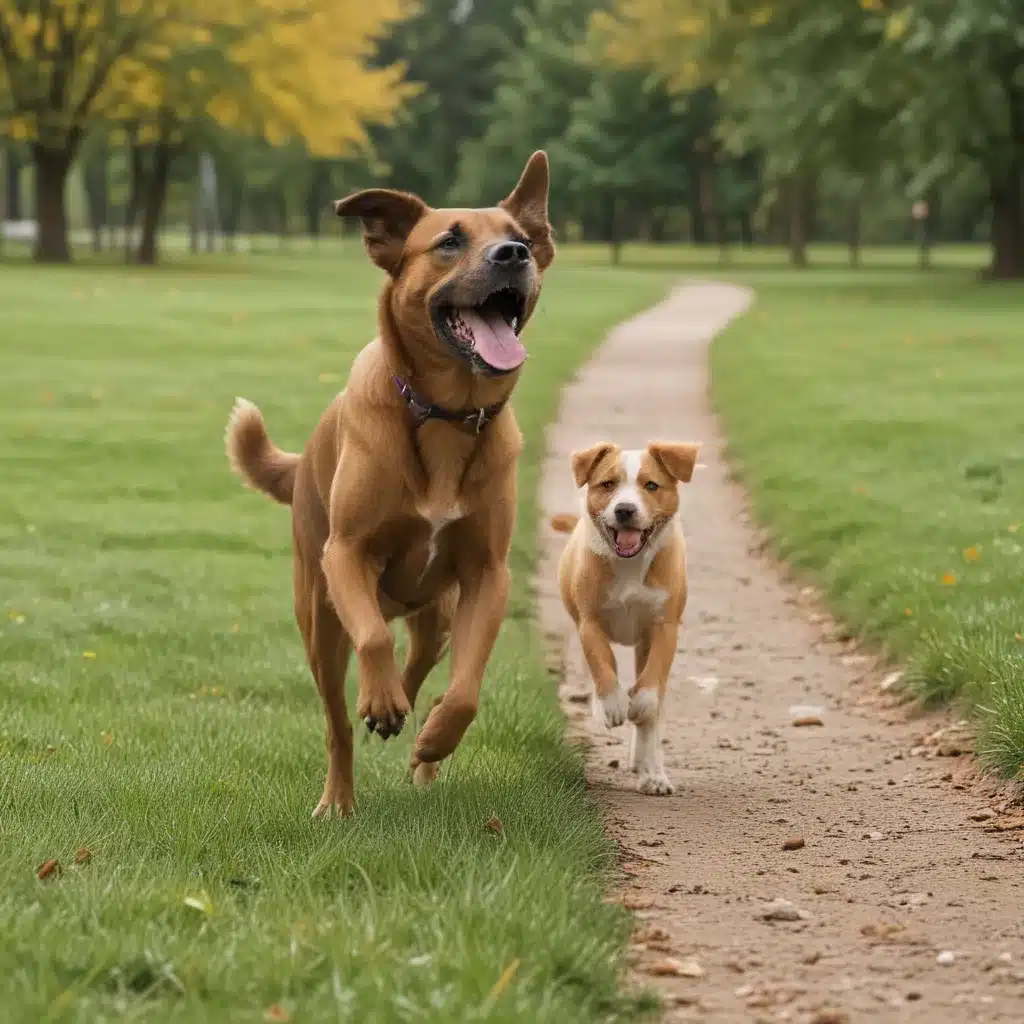
A strong recall is one of the most crucial safety skills you can teach your dog, and it’s fundamental to maintaining a frustration-free relationship. While teaching your dog to come when called is straightforward in principle, achieving consistent responsiveness requires dedication, patience, and consistent practice. Making the training process enjoyable for your dog will reinforce that coming to you is a positive experience.
Key Takeaways
- Teaching your dog to come when called is an essential safety skill.
- Use a unique cue word that isn’t associated with other commands or tricks.
- Positive reinforcement, such as treats and praise, is key to building a reliable recall response.
- Begin practicing in a quiet, indoor environment and gradually progress to more challenging settings.
- Avoid off-leash training in unsecured areas until your dog reliably responds to the recall cue.
How To Teach a Dog To Come
Follow these steps to effectively teach your dog to come when called:
1. Choose a Unique Recall Word
Select a cue word that is specific to your dog and distinct from any other commands they have learned. If your dog is unresponsive to “come,” consider using a different word like “here.” It’s advisable not to use your dog’s name as the recall cue, as you likely use their name frequently in various contexts, and the recall word needs to be special and reserved solely for that purpose.
2. Set Up for Success
For this training exercise, you will need a training partner and high-value dog treats. Begin your training sessions in a quiet room within your home, where distractions are minimal, to help your dog focus.
3. Call Your Dog to You
Kneel down to your dog’s level and say your chosen recall word with a cheerful and encouraging tone. If your dog won’t come when called, use encouraging sounds like whistles, hand claps, or kissy noises to prompt them to approach you. Initially, your dog won’t understand the meaning of the word, so these sounds can help guide them.
4. Reward Immediately
The moment your dog reaches you, offer them a high-value treat and shower them with enthusiastic praise. This immediate positive reinforcement is the cornerstone of positive reinforcement training, which leverages things your dog enjoys to shape their behavior.
5. Repeat With a Partner
Have your training partner then call the dog back to them, rewarding with another treat and more praise once the dog responds. This repetition helps solidify the recall cue with both individuals.
6. Keep at It
Consistently repeat this process. As your dog becomes more proficient, they will begin to eagerly move between you and your partner each time a recall cue is given.
Dog Recall Games
To enhance the challenge and keep training engaging, you can incorporate games like hiding in another room. You might need to use more whistles or other sounds to provide clues. At this stage, the training can feel like a fun game of hide-and-seek, which is precisely the goal. Embrace the fun!
Once your dog demonstrates comfort and reliability with these indoor exercises, transition to practicing in your yard or another safe, enclosed outdoor space. Outdoor training introduces new distractions, so it’s crucial to use particularly high-value treats. Depending on your outdoor setup, a long training leash can be a very effective and safe tool for practicing recall. Training your dog to heel on walks can also be incorporated as you progress.
Tips for Dog Recall Training
Safety must be the paramount consideration throughout your recall training journey.
- Never test your dog’s recall by allowing them off-leash in unfenced or unsecured areas, as this could lead to them running off or encountering dangerous situations. Recall practice should be confined to indoors, secure enclosures, or utilized with a training leash.
- Remember to keep the training sessions enjoyable and positive. Avoid losing patience if your dog requires several sessions to grasp the concept or struggles with distractions. Consistent practice is essential for mastery, so stay committed and maintain a fun, treat-filled approach.
- Collaborate frequently with all household members involved in the dog’s care to ensure consistency and help your dog develop a reliable recall ability. With persistence, your dog will eventually come to you promptly whenever called. Learning how to train your dog to walk to heel can complement overall leash manners.
For dogs who tend to pull on the leash, understanding how to stop my dog pulling on leash is also a vital part of a well-behaved dog. Consistent training efforts contribute significantly to achieving success in how to walk your dog without pulling. Even training an older dog not to pull on the leash is achievable with the right methods.
WRITTEN BY
Victoria Schade