
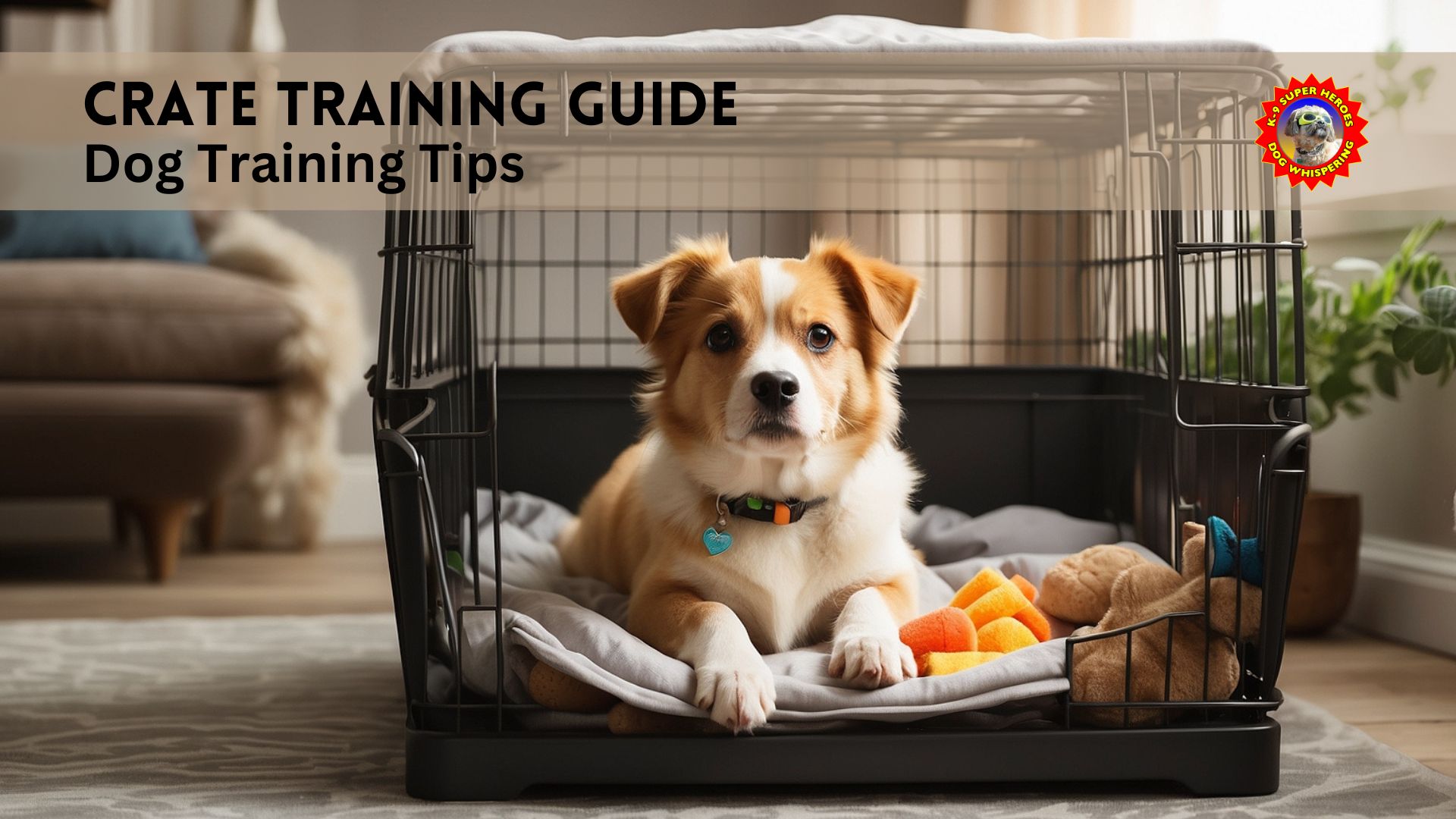
Crate training is one of the most effective methods for housebreaking your dog, improving behavior, and providing a safe, comfortable space they can call their own. While many owners believe this process takes weeks or even months, with the right strategy and patience, you can successfully crate train your dog in just three days. This guide will walk you through a positive, disciplined approach that gradually increases crate time, helping your pet adapt quickly and comfortably.
What Is a Crate and Why Use One?
A crate is a small, enclosed space specifically designed for pets, typically made of metal, plastic, or fabric with a door for ventilation and security. Crates serve multiple purposes in dog training and daily life:
Training and Housebreaking: Crates help dogs learn bladder control and prevent inappropriate elimination indoors. They provide structure and help dogs develop a sense of security in their own designated area.
Safety During Travel: Crates keep dogs secure during car rides, veterinary visits, and emergency situations, preventing injury and reducing anxiety during transport.
Rest and Relaxation: A crate becomes your dog’s personal den—a quiet retreat where they can rest undisturbed.
Management and Control: When you cannot directly supervise your dog, a crate prevents destructive behaviors and keeps them away from dangerous areas.
When used correctly, a crate transforms from a confinement tool into a beloved safe haven, never a punishment chamber.
Day 1: Introducing the Crate
Choosing the Right Crate
Before beginning, select an appropriate crate size. Your dog should have enough space to stand up, turn around, and lie down comfortably—but not so much room that they can eliminate in one corner and sleep in another. Add soft, warm bedding to create a cozy atmosphere.
Creating Positive First Impressions
Place the crate in a high-traffic area where your family spends time together, such as the living room or kitchen. Keep the door open at all times during this introductory phase.
Step-by-Step Introduction:
- Line the crate with comfortable bedding and place a few treats or toys near the entrance
- Allow your dog to explore the crate completely at their own pace—never force them inside
- Drop high-value treats inside the crate when your dog shows curiosity
- Use gentle praise and rewards whenever your dog sniffs, looks at, or steps near the crate
Patience is essential during this first day. If your dog seems fearful, slow down and spend more time simply having them near the crate without entering. The goal is to build a positive association from the very beginning.
Day 2: Building Positive Associations
Adding Familiar Scents
Place a worn piece of clothing or a blanket with your scent inside the crate. This helps your dog feel connected to you and more secure in their new space.
Mealtime in the Crate
Start positioning your dog’s food bowl near the crate during mealtimes. Over the course of day two, gradually move the bowl closer to the crate entrance, then just inside the door, and finally to the back of the crate.
Progressive Steps:
- Meal 1: Bowl placed 3 feet from crate
- Meal 2: Bowl placed at crate entrance
- Meal 3: Bowl just inside the open door
- Meal 4: Bowl at the back of the crate
Once your dog willingly enters the crate to eat, gently close the door while they finish their meal. Open it immediately after they finish—do not leave them locked inside. Repeat this at every meal throughout the day.
Short Confinement Practice
After your dog is comfortable eating inside the crate, begin short confinement sessions while you remain nearby:
- Toss several treats or a favorite toy inside
- Close the door for 30 seconds while praising calmly
- Open the door without making a big fuss
- Gradually increase to 1-2 minutes as your dog remains relaxed
Always reward calm behavior and avoid reacting to whining or scratching. If your dog becomes distressed, you have progressed too quickly—return to shorter intervals.
Day 3: Building Confidence and Duration
Extending Crate Time
By the third day, your dog should show comfort with the crate. Now it is time to gradually increase the duration of confinement.
Morning Session:
Close the door for 5 minutes while you sit nearby, speaking soothingly. Open the door calmly without excessive praise or excitement. This teaches your dog that exiting the crate is not a reward for whining or barking.
Throughout the Day:
Repeat this process 5-6 times, gradually increasing to:
- 10 minutes
- 15 minutes
- 20 minutes
- 30 minutes
Leaving the Room
Once your dog remains calm with you present, practice leaving the room briefly:
- Close the crate door and walk into another room for 1 minute
- Return, wait 30 seconds (if your dog is calm), then open the door
- Gradually increase your time away to 5, 10, then 15 minutes
The First Extended Stay
By evening of day three, aim for one 45-60 minute crate session while you are home but in another room. Your dog should settle down and rest without persistent whining or scratching.
Common Challenges and Solutions
Whining and Barking
Some whining is normal during crate training, especially in the first few days. However, you must distinguish between protest whining and genuine distress.
Appropriate Response:
- Ignore attention-seeking whining unless your dog needs a bathroom break
- Take your dog out only for elimination, then return them to the crate
- Never respond with anger or frustration, as this increases anxiety
If whining persists: Your dog may need more gradual steps. Return to shorter intervals and increase more slowly.
Puppy-Specific Concerns
Young puppies have limited bladder control and should never be confined for extended periods. A general rule is that puppies can hold their bladder for one hour per month of age (up to 8 hours for adult dogs).
Separation Anxiety
Crate training alone does not resolve separation anxiety. While a crate may prevent destructive behavior, it can actually increase anxiety in genuinely anxious dogs, potentially leading to self-injury (chewing crate bars, paw damage). Separation anxiety requires specific behavioral interventions such as counter-conditioning and desensitization protocols, ideally guided by a professional trainer or veterinary behaviorist.
Digestive Issues
If your dog shows signs of digestive upset during training—such as loose stools, vomiting, or changes in appetite—consult your veterinarian. Physical discomfort will sabotage any training progress and may create negative crate associations.
What Not to Do During Crate Training
Never use the crate as punishment. Your dog must always view their crate as a positive, safe space. Using the crate for time-outs or punishment destroys trust and creates resistance.
Avoid excessive confinement. Dogs need exercise, playtime, and social interaction daily. A crate is a management tool, not a lifestyle. Extended periods without proper breaks disturb physical and emotional well-being.
Do not respond to whining by opening the door. This teaches your dog that whining works, reinforcing the very behavior you want to eliminate. Only open the crate when your dog is calm and quiet.
Do not rush the process. Every dog progresses at their own pace. Some dogs may need more than three days, and that is perfectly normal. Adapt your methods to suit your individual dog’s needs.
Conclusion
Crate training your dog in three days is an achievable goal with careful planning, patience, and consistent positive reinforcement. The crate becomes more than just a training tool—it transforms into a safe haven and personal space where your dog can retreat for rest and relaxation.
Remember these key principles for success:
- Never use the crate as punishment
- Always pair the crate with positive experiences (treats, toys, meals)
- Progress gradually based on your dog’s comfort level
- Maintain a balanced routine with exercise and playtime outside the crate
Each dog learns at their own pace, so adapt these steps to suit your pet’s individual needs. With consistency and patience, you will have a happy, well-adjusted companion who views their crate as a favorite place to be. Start your three-day plan today, and watch your dog’s confidence grow as they discover their very own safe space.