
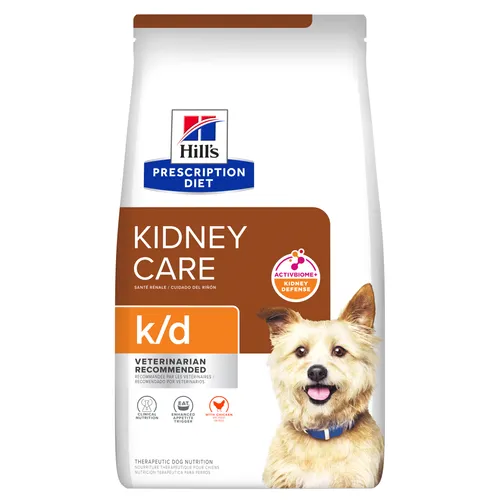
If your dog has recently been diagnosed with kidney disease, choosing the right kidney diet for dogs can feel overwhelming. Nutrition plays a central role in managing this condition, and therapeutic foods like Hill’s Prescription Diet k/d with Chicken are specifically formulated to support dogs whose kidneys are no longer working at full capacity. This article breaks down what makes this diet different, how it supports kidney function, and what pet owners should know before making the switch.
Why Kidney Function Matters for Dogs
When a dog’s kidneys sustain damage, their ability to filter waste and reabsorb essential nutrients declines. Unfortunately, this kind of damage is not reversible—but with the right approach, its progression can often be slowed. That’s where therapeutic nutrition comes in. A well-designed kidney diet for dogs is built to reduce the workload placed on the kidneys, allowing them to function as efficiently as possible for as long as possible.
One challenge many pet parents face is that dogs with declining kidney function often lose their appetite, which can make consistent feeding difficult. This is a critical detail, since long-term dietary management only works if the dog actually eats enough of the food.
How ActivBiome+ Kidney Defense Supports the Gut-Kidney Connection
Hill’s nutritionists and veterinarians developed Prescription Diet k/d using a proprietary blend called ActivBiome+ Kidney Defense. This ingredient technology is designed to activate the gut microbiome in a way that helps protect kidney function—an approach rooted in research on how intestinal health and kidney health are connected. By managing the subtle, often invisible changes within the digestive tract, this formula aims to reduce the production of harmful waste products that would otherwise place additional strain on the kidneys.
Alongside this, the formula includes reduced phosphorus and sodium levels, along with added omega-3 fatty acids—nutrients commonly recommended for dogs managing chronic kidney disease. The recipe also includes optimized levels of essential amino acids and high-quality protein, which helps dogs maintain muscle mass, energy, and overall strength even as their diet becomes more restricted.
Tackling Appetite Loss with E.A.T. Technology
Because appetite loss is such a common obstacle in kidney disease management, this diet incorporates Enhanced Appetite Trigger (E.A.T.) technology. This feature is specifically designed to stimulate appetite and encourage food intake, which is clinically proven to help dogs increase their caloric intake even when illness has reduced their natural desire to eat. Combined with a chicken flavor most dogs find appealing, the goal is to make consistent, long-term feeding realistic for owners.
The formula also includes S+OXSHIELD, which is formulated to promote a urinary environment that reduces the risk of struvite and calcium oxalate crystal formation—an added layer of urinary tract support alongside the kidney-focused benefits.

Making the Transition and Feeding Guidance
Veterinarians generally recommend transitioning a dog to a new therapeutic diet gradually, over a period of seven days or more, mixing increasing amounts of the new food with decreasing amounts of the old food. Some dogs, particularly those who are more sensitive to dietary changes, may need additional time. Patience and consistency during this period are important, since abrupt switches can cause digestive upset and reduce the likelihood of long-term compliance.
Feeding amounts should always be guided by a veterinarian, as they’ll factor in the dog’s weight, body condition, and stage of kidney disease. As a general guide, daily portions scale with body weight—for example, a 20 lb dog might need roughly 1⅓ cups per day, while an 80 lb dog may require around 4 cups, though these are starting points rather than fixed rules.
It’s also worth noting that consistent, long-term feeding of a therapeutic diet is what delivers meaningful results. Occasional feeding or mixing in unapproved treats can undermine the diet’s intended benefits, so owners should exclusively feed the recommended Prescription Diet products unless otherwise directed by their veterinarian.
Final Thoughts
Managing kidney disease in dogs is a long-term commitment that combines veterinary guidance, careful monitoring, and nutrition tailored to the condition. A kidney diet for dogs like Hill’s Prescription Diet k/d aims to ease the burden on affected kidneys while addressing the appetite challenges that often accompany kidney disease. If your dog has been diagnosed with reduced kidney function, talk to your veterinarian about whether a therapeutic diet like this one is appropriate, and ask about the best transition plan for your pet’s specific needs.
References
- Hill’s Pet Nutrition, “Prescription Diet k/d with Chicken Dog Food,” hillspet.com
- Hill’s Pet Nutrition, “Nutritional Philosophy and ActivBiome+ Technology,” hillspet.com