
If you’ve ever wondered why your veterinarian insists on an annual blood test and a monthly pill or topical for your dog or cat, the answer usually comes down to one thing: heartworm disease. This potentially fatal condition affects pets across the United States and beyond, and understanding how it spreads, what signs to watch for, and how prevention works can make the difference between a healthy pet and a life-threatening emergency. Whether you share your home with a dog, a cat, or even a ferret, heartworm disease deserves your attention.
What Is Heartworm Disease?
Heartworm disease is caused by foot-long parasitic worms that take up residence in the heart, lungs, and surrounding blood vessels of infected animals. Left untreated, these worms can cause severe lung disease, heart failure, and lasting damage to other organs. While dogs, cats, and ferrets are the most commonly affected pets, heartworms can also infect wild species such as wolves, coyotes, foxes, and sea lions — and in rare cases, even humans. Because wildlife often lives close to residential and urban areas, animals like foxes and coyotes serve as important reservoirs that keep the disease circulating.

The way heartworm disease manifests varies quite a bit depending on the species involved.
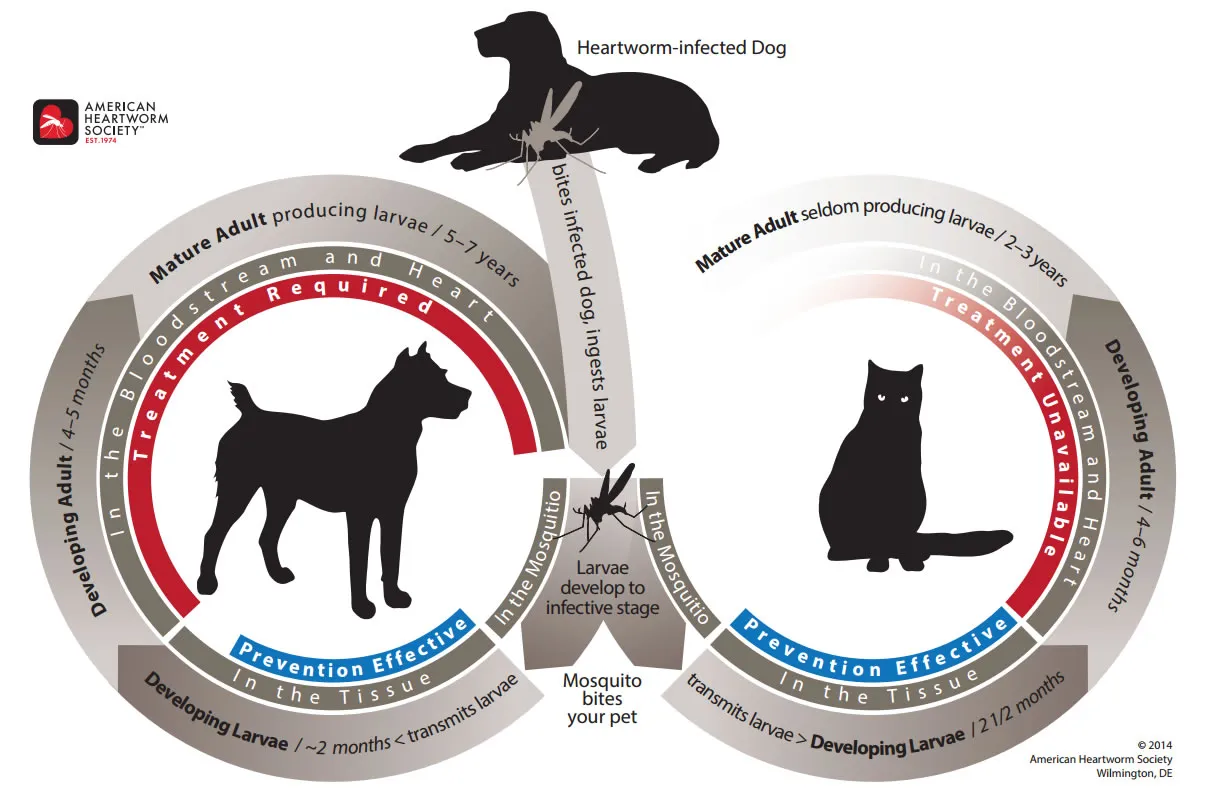
In dogs, the parasite thrives. Dogs are considered a natural host, meaning heartworms that infect a dog can mature, mate, and reproduce, sometimes numbering in the hundreds if left untreated. This buildup causes lasting damage to the heart, lungs, and arteries that can affect a dog’s quality of life long after the infection is cleared — which is exactly why year-round heartworm prevention for dogs is considered the gold standard of care.
In cats, the disease looks quite different. Cats are an atypical host, and most heartworm larvae never reach adulthood inside a cat’s body. Infected cats typically carry just one to three adult worms, and many have none at all. That doesn’t mean cats are safe, though — even immature worms can trigger a serious condition called heartworm-associated respiratory disease (HARD). Since the drug used to treat heartworms in dogs cannot be safely used in cats, prevention is the only real protection available.
In ferrets, the disease combines traits of both. Ferrets are highly susceptible to infection, similar to dogs, but because their hearts are so small, even a single worm can be devastating — much like in cats. There is no approved treatment for heartworm disease in ferrets, making prevention absolutely essential for both indoor and outdoor ferrets.
How Does Heartworm Disease Spread?
Mosquitoes are the sole transmitters of heartworm disease. When a mosquito bites an infected animal, it picks up microscopic baby worms called microfilaria that circulate in the bloodstream. Inside the mosquito, these larvae mature over 10 to 14 days into an infective stage. When that mosquito then bites another dog, cat, or susceptible wild animal, the infective larvae enter through the bite wound. From there, it takes roughly six months for the larvae to grow into sexually mature adult heartworms, which can then live for five to seven years in dogs and two to three years in cats. Because of how long these worms survive, a pet can accumulate more parasites with every mosquito season that passes without protection.
Recognizing the Signs
Dogs often show few or no symptoms in the early stages of infection. As the disease progresses, signs can include a mild persistent cough, reluctance to exercise, fatigue after moderate activity, decreased appetite, and weight loss. In advanced cases, dogs may develop heart failure and a swollen abdomen from fluid buildup. A severe complication known as caval syndrome — a sudden blockage of blood flow within the heart — causes labored breathing, pale gums, and dark, coffee-colored urine, and is often fatal without emergency surgery.
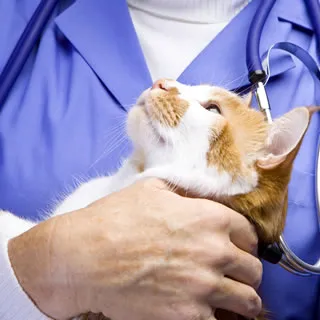
Cats may show subtle or dramatic symptoms, including coughing, asthma-like attacks, vomiting, appetite loss, or weight loss. Some cats experience difficulty walking, fainting, or seizures. Tragically, sudden collapse or sudden death can be the first and only sign in some cases.
Ferrets tend to show symptoms more quickly than dogs because of their small heart size. Watch for lethargy, open-mouth or rapid breathing, pale blue or muddy-colored gums, and coughing — any of these can signal a heartworm-related emergency in a ferret.
Is Your Pet at Risk?
Heartworm disease has now been diagnosed in all 50 states, and risk factors are notoriously difficult to predict. Climate variation, the presence of wildlife carriers, mosquito activity, and even the movement of infected pets across regions (as happened when thousands of pets were relocated following Hurricane Katrina) all contribute to shifting risk levels from year to year, even within the same community. Because infected mosquitoes can make their way indoors, both outdoor and indoor pets face exposure.
This is why the American Heartworm Society promotes the “Think 12” message: test your pet for heartworm every 12 months, and give heartworm preventive medication 12 months a year, without exception.
Testing: Why and When
Because heartworm disease often shows no early symptoms, testing is the only reliable way to catch an infection before it becomes serious. A simple blood sample allows veterinarians to detect heartworm proteins, and results are typically available quickly, whether processed in-house or at a diagnostic lab.
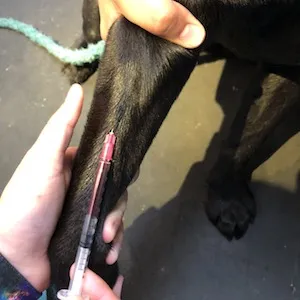 Blood sample being drawn from a dog for heartworm testing
For dogs, annual testing is recommended for every dog, regardless of age or prevention status. Puppies under seven months can start preventive medication without an initial test (since infection can’t be detected until about six months post-exposure), but should be tested six months later, again at twelve months, and annually thereafter. Adult dogs starting prevention for the first time need a baseline test as well. Annual testing matters even for dogs on year-round prevention, since missed doses, vomited pills, or improperly applied topical treatments can leave gaps in protection.
For cats, diagnosis is trickier because so few cats carry adult worms. Veterinarians typically combine antigen and antibody testing, sometimes alongside X-rays or ultrasound, to screen for infection. Cats should be tested before starting prevention.
For ferrets, diagnosis may involve both antigen testing and imaging techniques like echocardiography to confirm the presence of worms in the heart.
What Happens After a Positive Diagnosis?
A positive heartworm diagnosis is understandably alarming, but most infected dogs can be successfully treated. Veterinarians typically confirm the diagnosis with additional testing, restrict the dog’s activity to prevent further cardiovascular damage, stabilize any underlying symptoms, and then administer a treatment protocol involving melarsomine injections — the only FDA-approved drug for treating heartworm infection in dogs. Roughly nine months after treatment concludes, a follow-up test confirms the worms have been eliminated, after which lifelong, year-round prevention is essential to avoid reinfection.
For cats, there is no approved drug treatment. Management instead focuses on stabilizing the cat, monitoring with periodic chest X-rays, and using anti-inflammatory medication like prednisolone for mild symptoms.
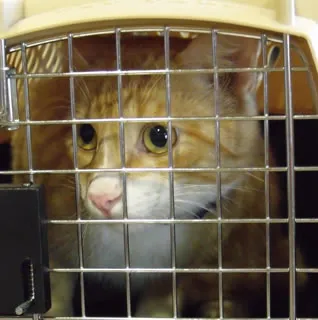 Cat resting in a veterinary recovery kennel
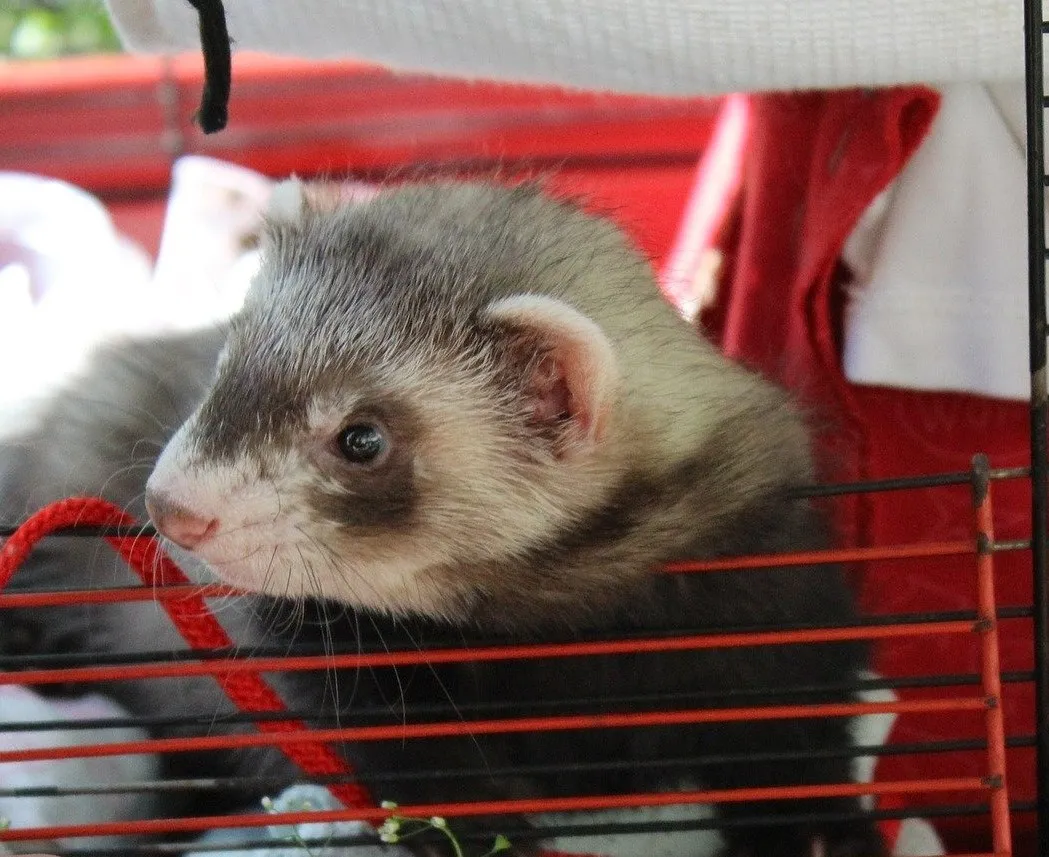
Ferrets face a similar situation — no approved drug therapy exists, so care centers on stabilization, monitoring, and supportive treatment such as intravenous fluids and medications to manage heart and lung symptoms.
Prevention Is the Best Medicine
Because treatment options are limited — especially for cats and ferrets — prevention remains the most effective strategy across the board. Heartworm preventives are available as monthly chewables, monthly topicals, and long-acting injections given every six or twelve months, and many products also protect against intestinal parasites like hookworms and roundworms, or external parasites such as fleas and ticks.
The American Heartworm Society recommends starting puppies and kittens on preventive medication as early as label instructions allow, and no later than eight weeks of age. Ferrets should begin prevention once they weigh at least two pounds. Because dosages are based on body weight rather than age, rapidly growing puppies and kittens should be weighed at every veterinary visit to ensure their medication dosage stays accurate.
Year-round prevention is recommended even in colder climates or dry regions, since mosquito activity, wildlife reservoirs, and localized microclimates can create unexpected exposure risk regardless of season or geography.
Final Thoughts
Heartworm disease is a serious but largely preventable threat to dogs, cats, and ferrets alike. The keys to protecting your pet are straightforward: schedule annual testing, stay consistent with monthly or scheduled preventive medication, and never skip a dose, even during colder months or in areas where mosquitoes seem scarce. If your pet does test positive, know that treatment for dogs has a high success rate when started early, while cats and ferrets require careful long-term management under a veterinarian’s guidance.
Talk to your veterinarian about the heartworm prevention program that best fits your pet’s lifestyle and risk level, and make testing and prevention a permanent part of your pet’s annual healthcare routine. A little consistency today can spare your companion from a serious, and potentially life-threatening, disease down the road.