
The NVIDIA GeForce GT 420 OEM, a graphics card released in the fourth quarter of 2010, offers a glimpse into the entry-level GPU market of its era. Designed for OEM systems, this card aimed to provide a modest boost in graphical capabilities for everyday computing tasks, multimedia, and light gaming. While not a powerhouse by today’s standards, understanding its specifications is key to appreciating the evolution of graphics technology.
The GeForce GT 420 OEM is based on NVIDIA’s Fermi architecture, specifically the GF108 chip. It features 48 shader units, a core clock speed of 700 MHz, and memory running at 733 MHz. The card typically comes with 1GB or 2GB of DDR3 memory on a 128-bit bus, providing a memory bandwidth of 23.5 GB/s. This configuration was sufficient for tasks such as High Definition video playback, general desktop use, and casual gaming at lower resolutions and detail settings. The card supports DirectX 11 and OpenGL 4.0, allowing for compatibility with a range of applications and games from its release period.
Key Specifications and Features
- Architecture: Fermi (GF108)
- CUDA Cores: 48
- Core Clock: 700 MHz
- Memory: 1GB or 2GB DDR3
- Memory Clock: 733 MHz
- Memory Interface: 128-bit
- Memory Bandwidth: 23.5 GB/s
- DirectX Support: 11
- OpenGL Support: 4.0
- Manufacturing Process: 40 nm
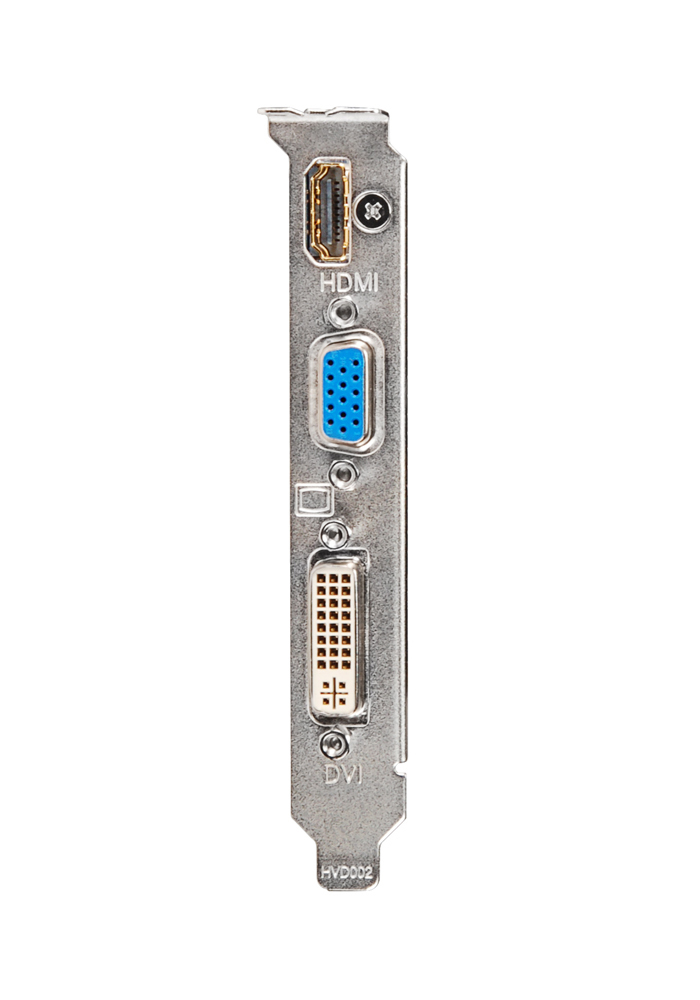
The GeForce GT 420 OEM includes NVIDIA’s PureVideo HD technology, enhancing video playback performance and enabling hardware acceleration for various video codecs. This was a significant feature for an era where streaming and digital media consumption were becoming increasingly prevalent. Connectivity options typically included DVI and D-Sub (VGA) ports, with some models potentially featuring HDMI.
Performance and Use Cases
In terms of performance, the GeForce GT 420 OEM was positioned as an upgrade over integrated graphics solutions common in many pre-built PCs of the time. It could handle everyday tasks with ease, including web browsing, office applications, and watching high-definition videos without stuttering. For gaming, its capabilities were limited. Titles from 2010 and earlier, when played at resolutions like 720p or 1080p with medium to low settings, might have been playable. However, demanding games or those released shortly after its launch would have been largely unplayable or required very basic settings.
It’s important to note that as an OEM card, specific configurations and included features could vary between manufacturers. These cards were often bundled with systems from major PC manufacturers rather than being sold as standalone retail products. Therefore, precise specifications and performance benchmarks might differ slightly.
Conclusion
The NVIDIA GeForce GT 420 OEM represents a specific point in the history of PC graphics, catering to the needs of budget-conscious OEM systems. While its performance is modest by modern standards, it provided a valuable improvement over integrated graphics for its target audience. For users with very basic graphical needs or those looking to slightly enhance multimedia capabilities in older systems, it served its purpose. However, for any significant gaming or demanding graphical workloads, more powerful solutions would have been necessary.
References
TechPowerUp. (n.d.). NVIDIA GeForce GT 420 OEM. Retrieved from https://www.techpowerup.com/gpu-specs/geforce-gt-420-oem.c259