
Breeding healthy puppies requires a thorough understanding of genetic and physical health testing. While DNA tests, or genotypes, screen for specific diseases, phenotypic evaluations, or physical examinations, are crucial for others. Canine hip dysplasia is a prime example of a condition assessed through physical screening. This guide delves into understanding and testing for hip dysplasia, a complex polygenic disease for which there is no direct genetic test.
Testing both parents is essential to produce the healthiest puppies possible. Embark, for instance, tests for over 270 genetic health conditions, many of which can also be registered with the Orthopedic Foundation for Animals (OFA). Genotype testing combined with phenotypic evaluations forms a complete health testing protocol.
Understanding Canine Hip Dysplasia
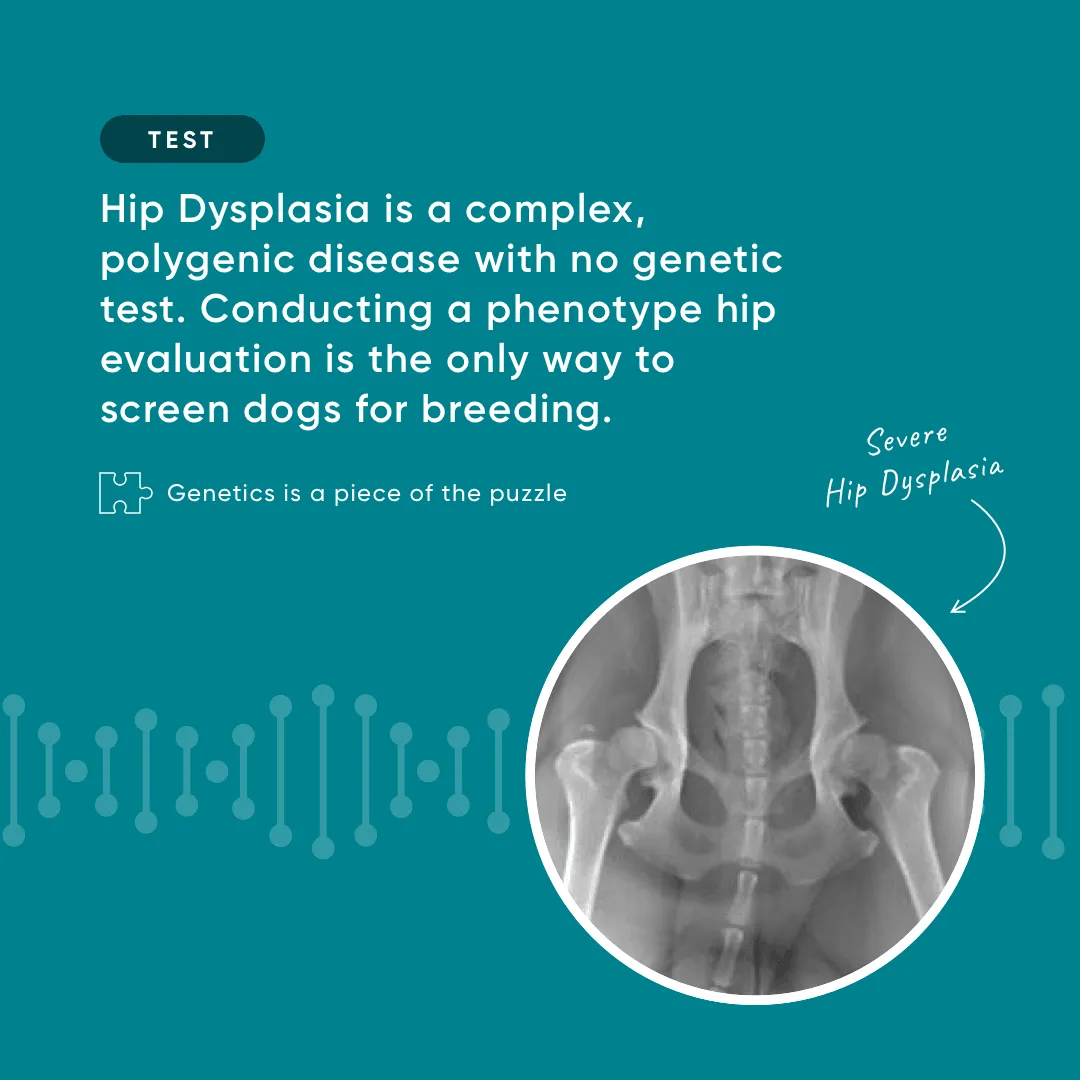
Canine hip dysplasia is characterized by the abnormal development of the hip joint or damage to the cartilage from a fracture. Over time, this can lead to instability, a condition known as laxity, where the femoral head (ball) does not fit snugly in the acetabulum (socket). This loosening can cause the ball and socket to degrade, resulting in pain for the dog. The causes are multifaceted, including genetics, environmental factors, rapid weight gain, exercise, and trauma. Larger dog breeds are more susceptible to this condition. Notably, symptom presentation varies greatly; some dogs with severe hip dysplasia may show no signs, while others with milder cases can exhibit lameness and limb problems.
The Hip Evaluation Method
A physical hip evaluation, conducted via radiograph (x-ray), is the primary method for screening dogs for hip dysplasia before breeding. It is recommended that veterinarians adhere to the American Veterinary Medical Association guidelines for proper positioning. The dog should be placed on its back in dorsal recumbency with rear legs extended and parallel, knees rotated internally, and the pelvis symmetric. Anesthesia is often advised to ensure adequate muscle relaxation for accurate results. It’s important to note that pregnant females or those in estrus should not undergo x-rays, as hormonal fluctuations can influence hip joint laxity. Once the x-ray is properly identified and submitted with the OFA application, a panel of board-certified radiologists evaluates it. This comprehensive process is vital for identifying potential issues early on. For more details on screening procedures, you can refer to the OFA’s guidelines.
Age and Results
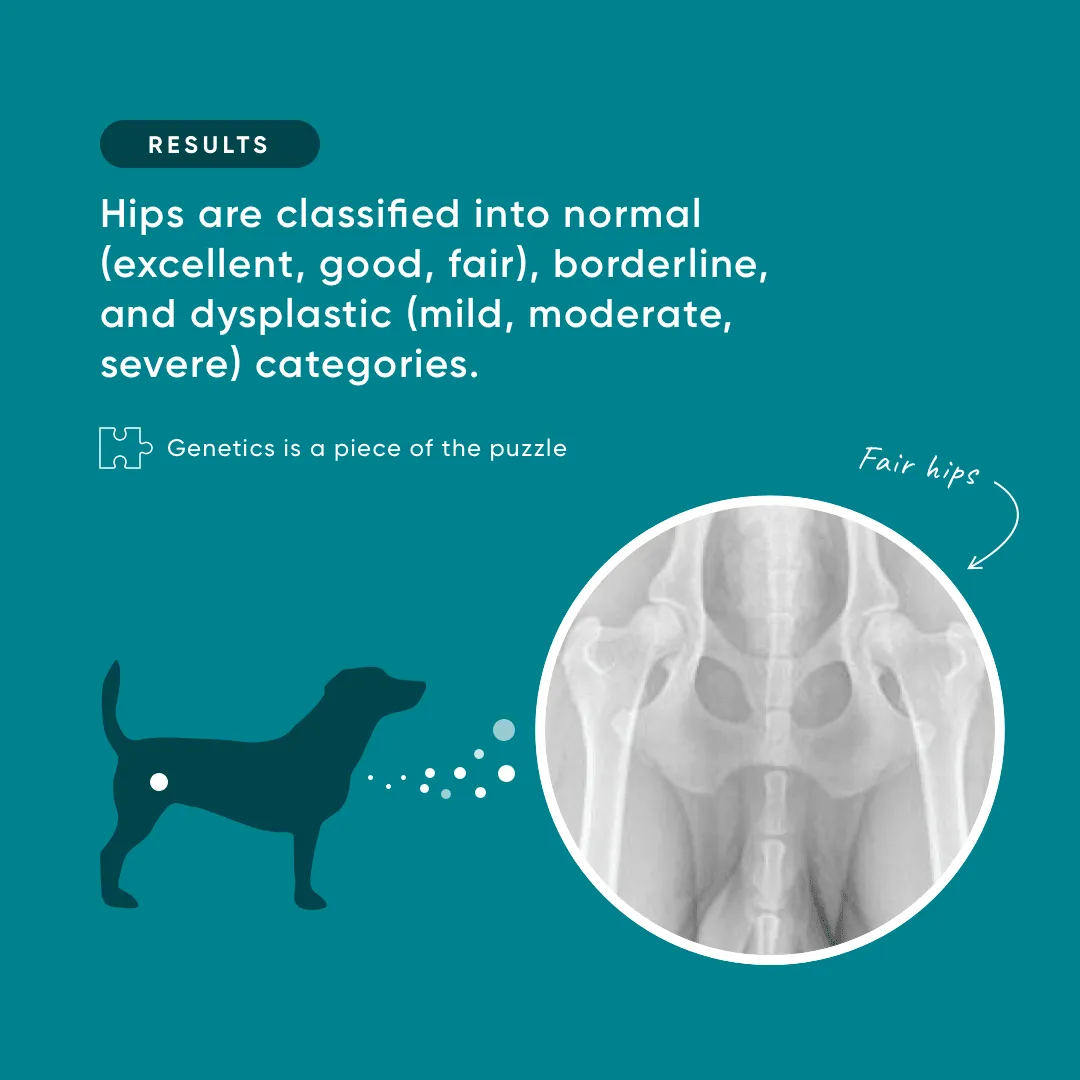
Dogs must be at least 24 months old to receive a permanent hip evaluation from the OFA. Preliminary evaluations can be submitted for dogs between 4 and 23 months of age. Following the OFA’s review, hips are categorized into normal (excellent, good, fair), borderline, and dysplastic (mild, moderate, severe). An “excellent” rating signifies a perfectly formed ball and socket with minimal joint space. “Good” hips also show a well-fitting ball and socket with good coverage, though not as ideal as excellent. “Fair” hips may exhibit a wider joint space, with the ball having a tendency to slip out of the socket. These three ratings are considered normal, and OFA will issue registration numbers.
Borderline results indicate some inconsistencies but lack the definitive arthritic changes characteristic of hip dysplasia. Failing results begin with “mild” dysplasia, showing significant subluxation (ball partially out of the socket). “Moderate” dysplastic hips feature a shallow socket where the ball has minimal contact, and early arthritic changes may be apparent. “Severe” hip dysplasia shows the ball almost entirely out of a very shallow socket, with secondary arthritic changes such as remodeling and bone spurs.
Canine Hip Dysplasia
The Orthopedic Foundation of America serves as a leading registry and public database for canine health information. For breeders seeking more information on genetic health testing, Embark provides a search tool listing their extensive range of over 270 genetic health tests. Understanding these evaluations is key to responsible breeding practices and ensuring the long-term health of canine companions.