
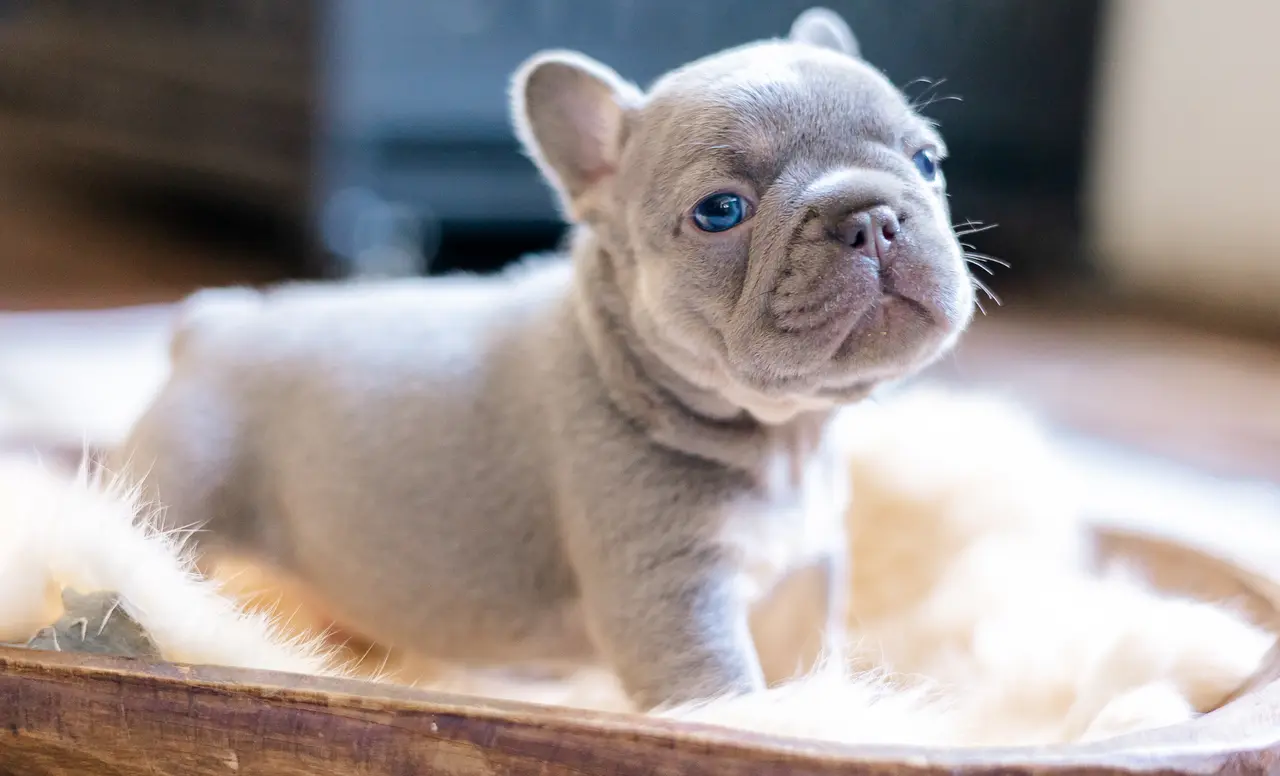
French Bulldogs, affectionately known as “Frenchies,” are charming, good-natured companions that have captured the hearts of many. Their happy disposition, compact size, and loving nature have propelled them to become one of the most popular dog breeds in the U.S.. However, their distinctive appearance, characterized by a short muzzle and flat face, while undeniably cute, also predisposes them to a unique set of health considerations. Understanding these needs is crucial for providing the best possible care for your Frenchie.
Frenchies are small dogs, typically weighing under 28 pounds and standing 11–13 inches tall, with a broad, muscular chest and a petite body. Their flat faces make them particularly sensitive to heat and humidity, necessitating careful management to prevent overheating. Additionally, the numerous skin folds on their faces require regular cleaning with dog-safe wipes to maintain hygiene and prevent irritation. It’s also important to note that due to their body composition, French Bulldogs are not strong swimmers and should never be left unsupervised near water bodies.
Understanding French Bulldog Health Issues
With a lifespan of 10–12 years, French Bulldogs are prone to several health conditions that can affect their quality of life. A thorough understanding of these potential issues allows owners to be proactive in their pet’s healthcare.
Brachycephalic Airway Syndrome
French Bulldogs, like other flat-faced breeds such as English Bulldogs, Pugs, and Pekingese, are susceptible to Brachycephalic Airway Syndrome (BAS). This condition is a cluster of respiratory abnormalities, including narrowed nostrils, a long soft palate, and a narrow trachea, all of which contribute to increased breathing effort and noise. Dogs with BAS may experience difficulty breathing during exercise, prefer to breathe through their mouths, and tire easily, especially in warm weather. Owners must closely monitor their Frenchies during physical activity to prevent overexertion and avoid strenuous activity in extreme heat. Airway issues can be life-threatening, making it imperative to keep your Frenchie cool and limit intense exercise on hot days.
Sensitive Skin and Allergies
French Bulldogs often exhibit sensitive skin, frequently linked to underlying allergies. Symptoms can manifest as excessive licking or chewing of the feet, persistent scratching, head shaking, skin infections, or the appearance of redness and bumps. Ocular discharge and sneezing, including reverse sneezing, can also be indicators. While some allergies are mild and manageable with specialized diets, medicated shampoos or wipes, antihistamines, and omega-3 fatty acid supplements, more severe cases can lead to recurrent skin or ear infections. Managing allergies in dogs is a lifelong commitment, as they can only be managed, not cured.
Ear Infections
The prevalence of ear infections, both bacterial and yeast-related, is another common concern for French Bulldogs. These infections can stem from underlying allergies or be influenced by the shape of the ear canal. Symptoms include head shaking, scratching, a foul odor, and visible inflammation. If you suspect an ear infection, a veterinary consultation is essential for diagnosis and treatment. Regular cleaning of the ear canals with a pH-balanced canine ear cleaner can significantly reduce the occurrence of these problems, especially after bathing or exposure to water.
Back Injuries
Due to their build and potential for being overweight, French Bulldogs are susceptible to back injuries. To mitigate this risk, it’s advisable to prevent them from jumping off high surfaces and instead train them to use pet steps to access furniture. Maintaining a healthy weight and ensuring adequate exercise helps build muscle and protect their back and joints. Any changes in gait or overall demeanor should be promptly discussed with a veterinarian, as these can be signs of back issues, potentially leading to limping or even paralysis.
Birthing Complications
French Bulldogs often require Cesarean sections for delivery due to their pelvic structure and head size, making natural births rare. Prospective breeders should establish a strong relationship with a veterinarian and be prepared for the potential costs associated with emergency C-sections.
Nutritional Needs of French Bulldogs
Feeding your French Bulldog a balanced, life-stage-appropriate diet approved by the Association of American Feed Control Officials (AAFCO) is fundamental. Overfeeding should be avoided, as obesity can exacerbate health issues like back problems and respiratory difficulties.
Feeding Schedule and Diet
Adult French Bulldogs typically thrive on two meals per day, while puppies require three to four meals daily on a consistent schedule. It is crucial to feed them a diet formulated for their specific life stage: puppy food until one year of age, adult food from one to seven years, and a senior diet thereafter. If your Frenchie begins to gain excess weight, a switch to a calorie-restricted diet may be necessary.
Portion Control
The exact amount of food will depend on the specific brand and its nutritional profile. Consult the feeding guidelines on the dog food packaging based on your dog’s healthy weight. Always seek your veterinarian’s advice when making dietary changes or if you have concerns about your dog’s food intake.
Nutritional Support
A high-quality omega-3 supplement can be beneficial for French Bulldogs, supporting skin and coat health by bolstering the skin’s natural defenses against bacteria and yeast, while also reducing inflammation and promoting joint health.
Behavior, Training, and Activities
French Bulldogs are known for their fun-loving and outgoing personalities. They are intelligent, playful, and generally get along well with people and other animals, especially with proper socialization. Their energy levels are moderate, and they enjoy short walks and interactive play.
Training and Activities
Frenchies respond best to positive reinforcement training methods, as they enjoy making training a fun and engaging experience. While they can be a bit disengaged if training is presented dryly, they excel when it’s game-oriented. It is essential to ensure they do not overheat or become exhausted during training or activities. Suitable activities include short walks, obedience training, agility, fetch, tug-of-war, and hide-and-seek games.
French Bulldog Grooming Essentials
Despite their brachycephalic build requiring special attention, French Bulldogs, with their short coats, are relatively easy to groom.
Skin and Coat Care
The facial wrinkles of a French Bulldog need regular cleaning and drying to prevent irritation and infection. Wiping them with a damp cloth or medicated wipes after meals is recommended. Due to their predisposition to skin allergies, a bath every one to two months is usually sufficient. However, if allergies are present, more frequent bathing with a medicated shampoo may be necessary. Their short coat requires minimal maintenance, with weekly brushing helping to manage shedding and keep their fur looking its best.
Eye and Ear Care
Wipe your Frenchie’s eyes as needed to remove any discharge and prevent moisture buildup in the facial folds. Regular ear cleaning, typically every one to two weeks with a canine ear cleanser, is crucial to prevent infections. Ensure their ears are clean and dry after any water exposure.
Important Considerations for French Bulldog Owners
Prospective French Bulldog owners must be aware of the breed’s potential health issues, including respiratory problems, sensitivity to heat, birthing complications, allergies, and back injuries. It is advisable to have a financial plan in place to cover any unforeseen veterinary expenses.
French Bulldogs as Family Dogs
French Bulldogs make excellent family pets, typically coexisting harmoniously with children and other animals.
Intelligence and Trainability
They are intelligent and playful dogs, generally easy to train with positive reinforcement and engaging methods.
Cost and Maintenance
The price of a French Bulldog can range significantly, often between $1,500–$5,000 in the U.S., due to their popularity and the necessity of C-sections for birth. Their health considerations can make them high-maintenance, requiring diligent ear care and potentially ongoing management for allergies and other conditions.
Exercise Recommendations
French Bulldogs benefit from short walks, approximately 15 minutes at a time, to maintain fitness without causing exhaustion. They are not tolerant of extreme temperatures and should be kept indoors during excessively hot or cold weather.