
In the dawn of the jet age, pioneers like Bill Lear understood that selling private aircraft meant selling an aspirational lifestyle. This era, beginning around 50 years ago, saw celebrities not only embrace but actively endorse the glamour and convenience of private jet ownership. Among the earliest and most iconic adopters was Frank Sinatra, who in 1965 received one of the first Learjet 23 models. He christened it Christina II, in honor of his youngest daughter. Just a week after taking possession, Sinatra piloted the Learjet to the Newport Jazz Festival, a journey that coincided with a significant resurgence in his singing career.
By today’s standards, the Learjet 23 offered a compact, though luxurious, interior. It comfortably seated two in the rear, with an additional seat near the door and a three- to four-person divan on the opposite side. Sinatra’s personal jet also featured a convenient pullout card table and a well-stocked liquor cabinet, which he found instrumental in alleviating his fear of flying. His valet, a former Navy officer, meticulously managed weather checks for each flight. The true allure of the jet for Sinatra and his famed Rat Pack compatriots, however, lay in its ability to facilitate rapid travel between Los Angeles, Las Vegas, and Sinatra’s Palm Springs residence. Cruising at speeds exceeding 500 mph, the Learjet provided the means for swift getaways, a feature that proved particularly useful on one occasion when Sinatra and Dean Martin found themselves in a physical altercation with other patrons at the Polo Lounge in Beverly Hills during a birthday celebration for Martin. The following morning, when the jet collected them from a nearby airport, Martin bore a visible black eye and a stained shirt, while Sinatra sported a makeshift sling. Nevertheless, they were airborne within minutes, en route to another state to let the news cycle cool and their injuries mend away from public scrutiny.
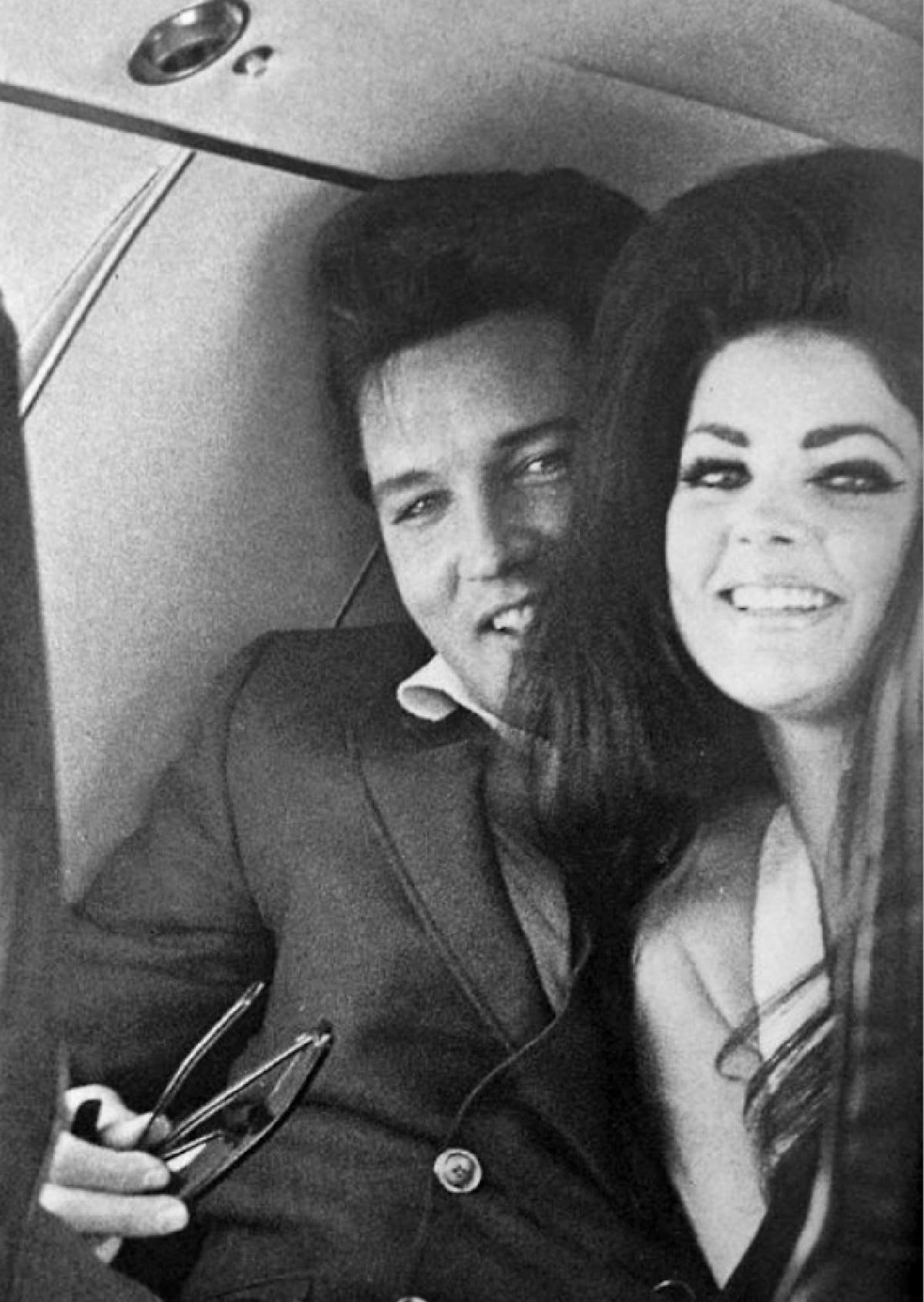
Sinatra even utilized the jet for his honeymoon, flying with Mia Farrow to the South of France. He generously loaned the aircraft to Elvis Presley for his elopement with Priscilla. In a testament to its significance in civil rights, Marlon Brando and Sammy Davis Jr. took Sinatra’s Learjet to Mississippi to join Martin Luther King Jr. on a march. Dean Martin, too, frequently employed the jet for travel to movie sets. Sinatra eventually sold his Learjet in 1967, transitioning to a larger Gulfstream II.
The profound impact of jet travel was not lost on Elvis Presley, who went on to acquire two jets of his own. His first acquisition, 40 years ago in 1975, was a Corvair 880, a narrow-body airliner. Elvis paid $250,000 for the aircraft and invested over $350,000 in lavish interior customization. The completed jet boasted a forward lounge with club and divan seating, a dedicated conference and dining area complete with its own refreshment center, a private bedroom featuring a queen-size bed, and an en-suite bathroom adorned with a gilded washbasin and faucet. Enhancing the entertainment experience, the jet’s videotape system was linked to four television sets, and its audio system comprised an impressive 50 speakers. Echoing Sinatra’s sentiment, Elvis named his jet Lisa Marie, after his daughter.
While the extensive work on Lisa Marie was underway, Elvis purchased a Lockheed Jetstar for $900,000 to serve as his interim aircraft. This jet, known as Hound Dog II, featured a more understated interior, accommodating 10 passengers with a four-seat club area at the front and a divan with two additional club seats in the rear. Lisa Marie completed its final passenger flight in August 1977, transporting George Hamilton, Priscilla Presley, and the jet’s namesake from California to Memphis for Elvis’s funeral.
These iconic figures not only embraced the technological marvel of private aviation but also personified the glamorous lifestyle it afforded. Their use of these luxurious aircraft cemented the image of private jets as symbols of status, freedom, and the quintessential celebrity experience, leaving an indelible mark on the history of both aviation and popular culture. Explore the enduring legacy of these musical icons and their influence on the golden age of private travel.