
Oldies music, often synonymous with the golden era of 20th-century popular music, embodies timeless melodies, unforgettable voices, and the cultural tapestry of its time. Among its luminaries, Frank Sinatra stands as an icon whose charm, vocal mastery, and charisma helped define popular song. This article explores Sinatra’s seminal collaborations and his lasting impact on international audiences eager to discover the depth of American musical heritage.
Early Breakthroughs: Harry James and Tommy Dorsey
Frank Sinatra’s journey to stardom began in June 1939 when, at 23, he joined the Harry James Orchestra. Trumpeter James, seeking a pop-oriented sound after leaving Benny Goodman’s swing-era band, found in Sinatra the ideal voice. Their collaboration produced ten recordings, including “All Or Nothing At All”, which later became a major hit in 1943.
Later that year, Sinatra transitioned to Tommy Dorsey’s Big Band, recording over forty songs in their first year. Among them was “I’ll Never Smile Again”, a million-selling single that cemented his status. These formative years honed Sinatra’s technique and stage presence, laying the foundation for his legendary solo career.
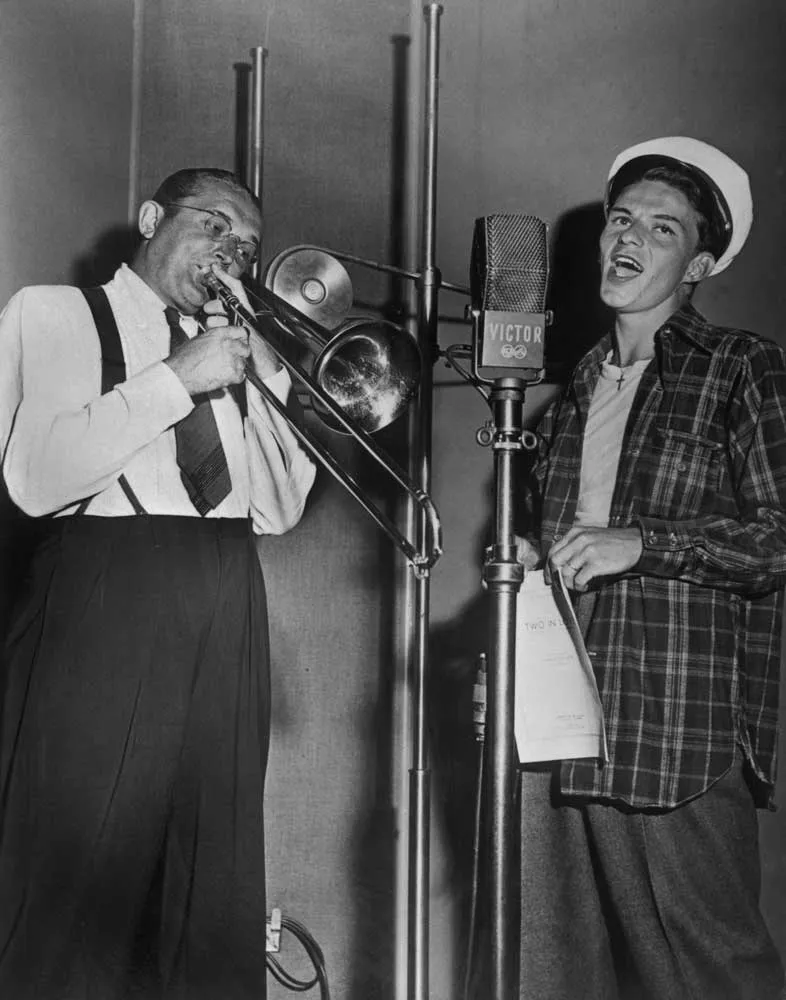
Key Takeaway: Early collaborations with big bands refined Sinatra’s vocal style, blending technical precision with emotive delivery, crucial for oldies music enthusiasts seeking the roots of American pop standards.
Nelson Riddle: A Resurgent Era
By the early 1950s, Sinatra faced a career slump, which was revitalized when he signed with Capitol Records in 1953. Partnering with arranger Nelson Riddle, renowned for work with Nat King Cole, Sinatra redefined his sound. Their first hit, “I’ve Got The World On A String”, marked a triumphant return, showcasing smooth phrasing and impeccable swing.
Riddle’s arrangements for albums like “Songs For Swingin’ Lovers!” (1956) infused big band and string orchestras with sophisticated energy. Tracks such as “You Make Me Feel So Young” and “I’ve Got You Under My Skin” became benchmarks in the oldies music repertoire, demonstrating the marriage of vocal artistry and orchestral elegance.
Key Takeaway: The Sinatra-Riddle collaboration illustrates how innovative arrangements can revive and elevate a singer’s legacy, creating enduring classics for international audiences.
Exploring Global Sounds: Antonio Carlos Jobim and Nancy Sinatra
In 1960, Sinatra founded Reprise Records, gaining creative freedom to explore diverse musical landscapes. A landmark collaboration was with Brazilian composer Antonio Carlos Jobim, producing the album “Francis Albert Sinatra & Antônio Carlos Jobim” (1967). Combining bossa nova rhythms with American standards, songs like “The Girl From Ipanema” highlighted a sophisticated cross-cultural synergy, appealing to global listeners of oldies music.
Sinatra also collaborated with his daughter, Nancy Sinatra, on the international hit “Somethin’ Stupid” (1967). This lighthearted duet, blending sentimentality and playful charm, resonated worldwide, exemplifying the familial dimension in his musical legacy.
Key Takeaway: Sinatra’s ventures into bossa nova and family duets reflect his versatility and the universal appeal of oldies music across cultures.
Jazz Giants: The Count Basie Orchestra and Quincy Jones
Sinatra’s connection with jazz continued through collaborations with legendary ensembles. The Count Basie Orchestra backed him on Sinatra-Basie (1962) and the iconic live album “Sinatra At The Sands” (1966). Conducted by a young Quincy Jones, these recordings captured Sinatra’s commanding stage presence and the orchestra’s dynamic swing. Classics like “Come Fly With Me” exemplify his seamless interaction with a big band, delivering performances that remain definitive interpretations.
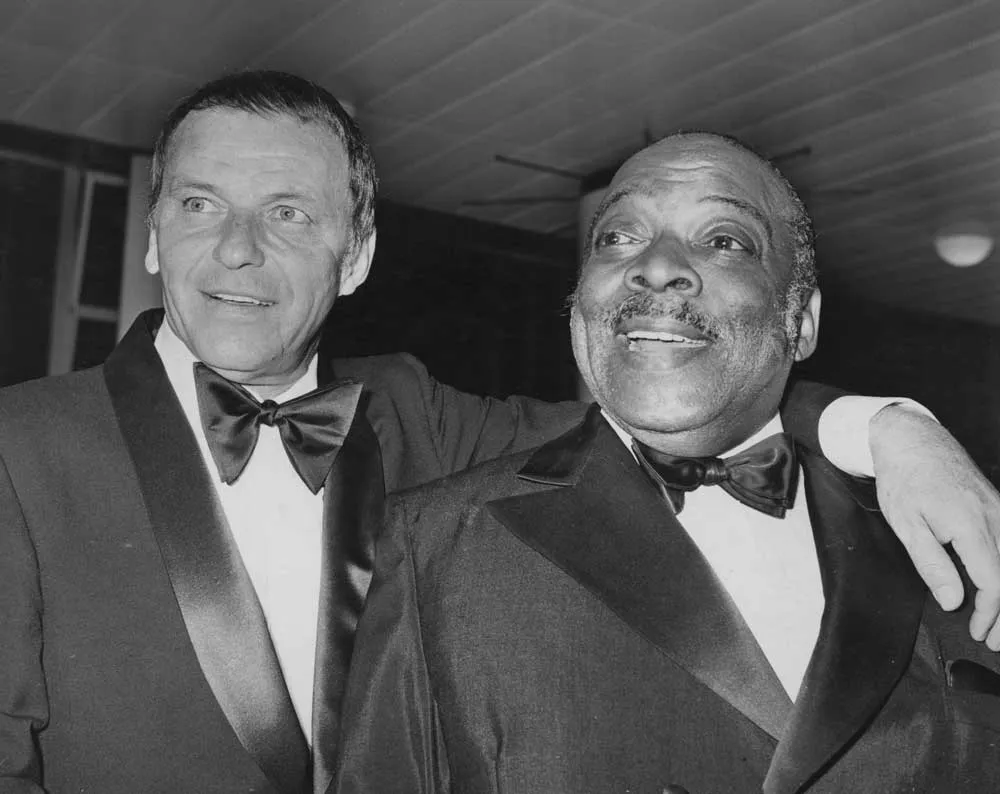
Key Takeaway: Collaborations with jazz giants underscore Sinatra’s adaptability and mastery in oldies music, blending vocal precision with orchestral exuberance.
Duets with Icons: Aretha Franklin and Luciano Pavarotti
In the final stages of his career, Sinatra’s Duets albums (1993–1994) showcased collaborations with global icons. Highlights include Aretha Franklin on “What Now My Love”, infusing jazz nuances into soul, and a previously unreleased rendition of “My Way” with opera legend Luciano Pavarotti, merging pop and operatic drama. These duets exemplify Sinatra’s enduring relevance and his capacity to bridge genres.
Key Takeaway: Sinatra’s cross-genre collaborations reinforce his status as an oldies music luminary, appealing to international audiences seeking both nostalgia and musical excellence.
Conclusion
Frank Sinatra’s legacy epitomizes the golden era of oldies music, marked by impeccable vocal artistry, innovative collaborations, and cross-cultural resonance. From big band beginnings to bossa nova experiments, jazz orchestras, and landmark duets, Sinatra’s work continues to inspire and captivate music enthusiasts worldwide.
Discover the timeless melodies and heartfelt performances that have defined oldies music by exploring Sinatra’s extensive discography and collaborations. His influence remains a beacon for anyone passionate about the rich tapestry of 20th-century American music.
References
- Spicer, D. (2024). Frank Sinatra: Legendary Collaborations. The Wire, Jazzwise, Songlines, The Quietus.
- Everything Jazz. (2024). Frank Sinatra Feature. Retrieved from https://www.everythingjazz.com
- Sinatra, F., & Jobim, A. C. (1967). Francis Albert Sinatra & Antônio Carlos Jobim [Album]. Reprise Records.
- Sinatra, F. (1966). Sinatra At The Sands [Live Album]. Reprise Records.