
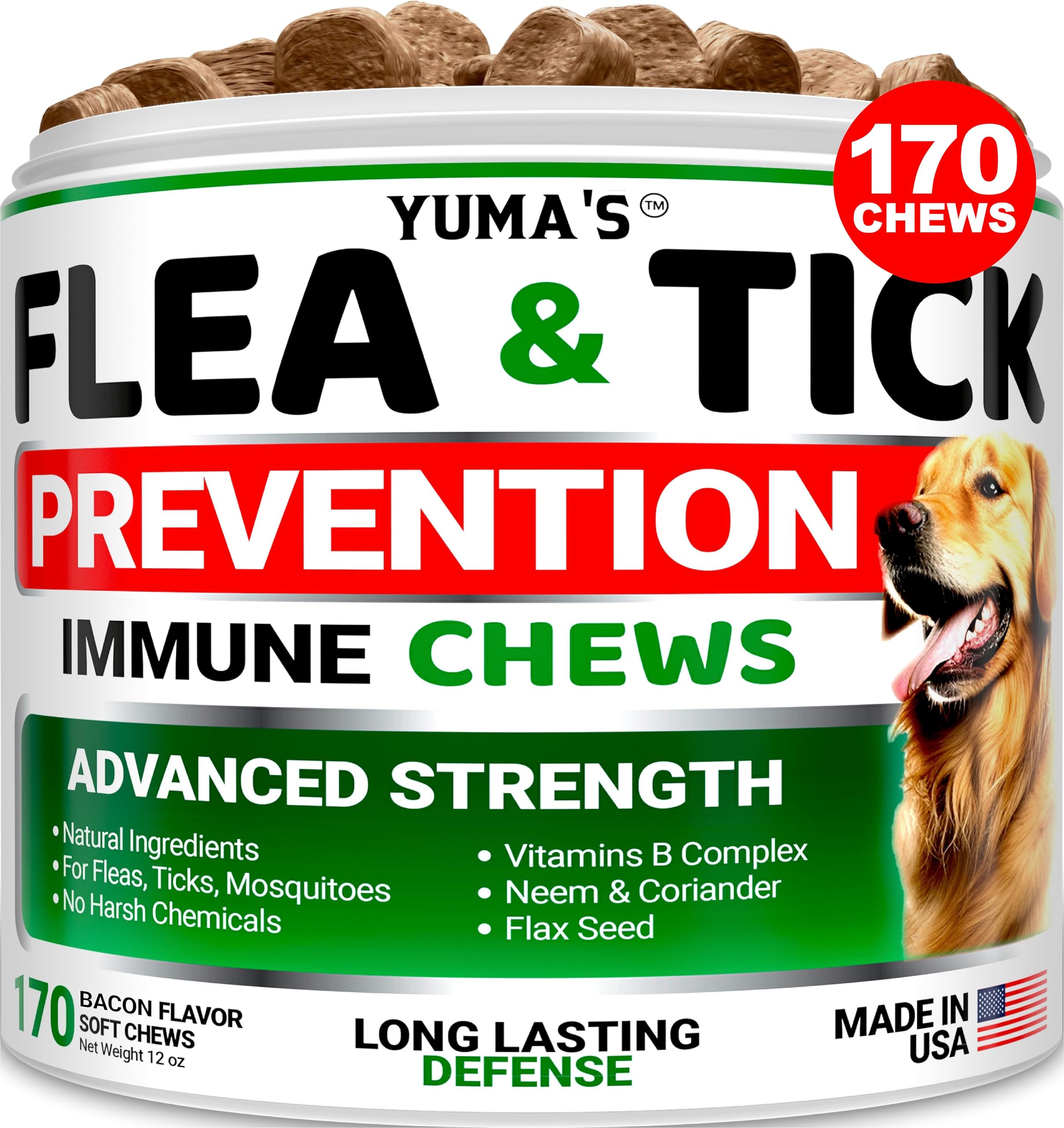
Preventative care is the cornerstone of responsible dog ownership, and one of the most effective ways to safeguard your furry friend’s health is through consistent, monthly flea and tick prevention. These tiny parasites can cause everything from skin irritation and anemia to life-threatening diseases that may also spread to humans. Understanding how to protect your dog is essential for every pet parent.
Why Is Flea and Tick Prevention Important for Dogs?
Fleas and ticks are ectoparasites—pests that live on the outside of their host. To survive, they must bite and feed on blood. These bites directly impact your dog’s health in several ways:
- Flea saliva can trigger severe allergies, dermatitis, intense itching, anemia (especially in small or young dogs), and secondary skin infections.
- Tick bites may lead to localized infections, abscesses, paralysis, and even death.
Beyond direct harm, these parasites are vectors for numerous diseases, including Lyme disease, ehrlichiosis, anaplasmosis, Rocky Mountain spotted fever, and babesiosis. Some of these illnesses are zoonotic, meaning they can spread to people—making prevention critical not just for your dog, but for your entire household.
When Do Dogs Need Flea and Tick Prevention?
Fleas and ticks are remarkably resilient and thrive in diverse geographic regions, from warm coastal areas to colder highland zones. Because these parasites can survive indoors during winter and emerge year-round in many climates, veterinarians recommend starting prevention when your dog is 8 weeks old and maintaining it year-round for their entire life. Waiting for visible signs of infestation often means the problem has already escalated.
Choosing a Flea and Tick Combination Medicine for Dogs
Modern preventatives come in various forms, including pesticides, repellents, and growth inhibitors, each targeting different life stages (eggs, larvae, nymphs, adults). While some products address only fleas, combination preventatives contain multiple active ingredients to battle fleas, ticks, and often additional parasites like heartworms, roundworms, hookworms, tapeworms, and mites.
For example, Credelio Quattro provides broad-spectrum protection covering six parasite types: fleas, ticks, heartworms, roundworms, hookworms, and tapeworms—all in a monthly chewable tablet.
Before selecting any product, consult your veterinarian and review the label to confirm:
- The product is labeled for dogs (not cats—some dog products are highly toxic to cats)
- Correct weight range for your dog
- Appropriate parasite protection for your region
- Whether to give with food
- Administration frequency
- Time to effectiveness
- When you can bathe your dog after application
- Any safety concerns or potential adverse reactions
1. Application Method
Oral preventatives (chewable tablets) are convenient and treat-like, making dosing easy. Monitor your dog to ensure they consume the entire tablet and don’t vomit before absorption.
Topical preventatives (liquids applied between shoulder blades or down the back) are ideal for picky eaters or dogs with sensitive stomachs. However, exercise caution around small children and other pets until dry. Frequent swimming or bathing can reduce efficacy, making topicals less suitable for water-loving dogs.
2. Geography
Parasite populations vary significantly by location. The Companion Animal Parasite Council (CAPC) offers interactive maps to identify local risks, helping you choose a product that provides complete regional protection.
3. Access to the Outdoors
Dogs who frequent dog parks, hiking trails, wooded areas, tall grass, bushes, or backyards face higher exposure risks. Even indoor-only dogs aren’t safe—fleas can enter through window screens, hitch a ride on other pets, or cling to clothing and shoes. Veterinarians universally recommend prevention regardless of outdoor time.
4. MDR-1 Gene Mutation
Certain breeds—including Collies, Australian Shepherds, and Shetland Sheepdogs—may carry the MDR-1 gene mutation, which affects how they metabolize specific medications. Many manufacturers have tested their products on MDR-1 positive dogs and found no adverse effects, but testing affected breeds is still advisable. Always disclose this genetic status to your veterinarian.
5. Lifestyle
Working, herding, and hunting dogs spending most of their day in fields or forests have inherently higher exposure than homebody companions. Match prevention intensity to your dog’s actual lifestyle risk level.
6. Life Stage
Most preventatives have a minimum age of 8 weeks, but some—like Revolution Topical Solution for Puppies—are formulated for use as early as 6 weeks. Small breed puppies also require weight-appropriate dosing; never split adult dosages.
7. Medical Conditions
Preventatives in the isoxazoline class (fluralaner, lotilaner, afoxolaner, sarolaner) should be used with extreme caution in dogs with a history of seizures or neurological disease, as they may lower seizure thresholds. Avoid any preventative if your dog has had prior allergic reactions, is sick or underweight, or is pregnant, nursing, or intended for breeding—without thorough veterinary discussion.
Over-the-Counter vs. Prescription Flea and Tick Medicine
Over-the-counter (OTC) products are available online and in retail stores without a prescription. While convenient, always verify safety with your veterinarian before using OTC options.
Prescription products require a veterinary prescription and typically cost more, but most veterinarians recommend them for superior efficacy and safety profiles. Prescription options often provide broader parasite coverage and more reliable results.
Popular Dog Flea and Tick Prevention Products
Advantage II (Topical, Monthly)
- Active ingredients: Imidacloprid + pyriproxyfen
- Targets: Fleas (all stages), chewing lice
- No tick prevention
- Age/weight: Puppies over 7 weeks, >3 lbs
Advantage Multi (Topical, Monthly)
- Active ingredients: Imidacloprid + moxidectin
- Targets: Fleas, sarcoptic mange, hookworms, roundworms, whipworms; prevents heartworms
- No tick prevention
- Age/weight: Over 7 weeks, >3 lbs
Bravecto (Chewable or Topical)
- Active ingredient: Fluralaner (isoxazoline class)
- Targets: Fleas, ticks, demodectic/sarcoptic mange, ear mites
- Onset: Kills fleas within 2 hours, ticks within 12 hours
- Caution: History of seizures or neurological disorders
Comfortis (Chewable, Monthly)
- Active ingredient: Spinosad
- Targets: Fleas only
- Onset: Within 30 minutes
- Age/weight: Over 14 weeks, >5 lbs
Credelio (Chewable, Monthly)
- Active ingredient: Lotilaner (isoxazoline class)
- Targets: Fleas, ticks
- Onset: Fleas within 4 hours
- Age/weight: Over 8 weeks, >4.4 lbs
- Caution: Seizure history
Credelio Quattro (Chewable, Monthly)
- Active ingredients: Lotilaner + moxidectin + praziquantel + pyrantel
- Targets: Fleas, ticks, heartworms, hookworms, roundworms, tapeworms
- Age/weight: Over 8 weeks, >3.3 lbs
Frontline Gold (Topical, Monthly)
- Active ingredients: Fipronil + (s)-methoprene + pyriproxyfen
- Targets: Fleas, ticks, chewing lice
- Age/weight: Over 8 weeks, >5 lbs
Frontline Plus (Topical, Monthly)
- Active ingredients: Fipronil + (s)-methoprene
- Targets: Fleas, ticks, chewing lice
- Age/weight: Over 8 weeks, >5 lbs
Frontline Shield (Topical, Monthly)
- Active ingredients: Fipronil + permethrin + pyriproxyfen
- Targets: Fleas, ticks, chewing lice, stable flies; repels mosquitoes and ticks
- Onset: Fleas within 5 minutes, ticks within 1 hour
- Age/weight: Over 9 weeks, >5 lbs
- ⚠️ Highly toxic to cats
K9 Advantix II (Topical, Monthly)
- Active ingredients: Imidacloprid + permethrin + pyriproxyfen
- Targets: Repels/kills fleas, ticks, mosquitoes, chewing lice, biting flies
- Age/weight: Over 7 weeks, >4 lbs
- ⚠️ Highly toxic to cats
Nexgard (Chewable, Monthly)
- Active ingredient: Afoxolaner (isoxazoline class)
- Targets: Fleas, multiple tick species (deer, American dog, brown, Lone Star); extra-label for mange
- Onset: Fleas within 4 hours, ticks within 48 hours
- Age/weight: Over 8 weeks, >4 lbs
- Caution: Seizure history
Onguard Plus (Topical, Monthly)
- Active ingredients: Fipronil + (s)-methoprene
- Targets: Fleas, ticks, sarcoptic mange, chewing lice
- Age/weight: Over 8 weeks, >5 lbs
Seresto (Collar, 8-month duration)
- Active ingredients: Imidacloprid + flumethrin
- Targets: Kills/repels fleas and ticks
- Onset: Fleas within 24 hours, ticks within 48 hours
- Note: Frequent bathing/swimming (more than once monthly) may reduce efficacy to ~5 months
- Age: Over 7 weeks
Simparica Trio (Chewable, Monthly)
- Active ingredients: Sarolaner (isoxazoline) + moxidectin + pyrantel
- Targets: Fleas, ticks, roundworms, hookworms; prevents heartworms; extra-label for mange and ear mites
- Onset: Within 12 hours
- Age/weight: Over 8 weeks, >2.8 lbs
- Caution: Seizure history
Trifexis (Chewable, Monthly)
- Active ingredients: Spinosad + milbemycin oxime
- Targets: Fleas, hookworms, roundworms, whipworms; prevents heartworms
- No tick protection
- Onset: Fleas within 30 minutes
- Age/weight: Over 8 weeks, >5 lbs
Vectra 3D (Topical, Monthly)
- Active ingredients: Dinotefuran + permethrin + pyriproxyfen
- Targets: Repels/kills fleas, ticks, mosquitoes, chewing lice, sand flies, biting flies, some mites
- Age/weight: Over 8 weeks, >5 lbs
- ⚠️ Highly toxic to cats
Final Thoughts
Consistent flea and tick prevention is one of the most impactful investments in your dog’s long-term health. Work closely with your veterinarian to select a product tailored to your dog’s age, weight, breed, medical history, lifestyle, and geographic location. Whether you choose an oral or topical formula, over-the-counter or prescription option, the most important factor is reliability—administer protection year-round, without gaps. Your dog depends on you to keep these dangerous parasites at bay, and with the right prevention plan, you can ensure a healthier, happier life together.
References
- Companion Animal Parasite Council (CAPC). Parasite Prevalence Maps. capcvet.org
- Jones, Lauren, VMD. Flea and Tick Prevention and Treatment for Dogs. PetMD.
- Guide to Flea and Tick Season for Dogs. PetMD (2025).