
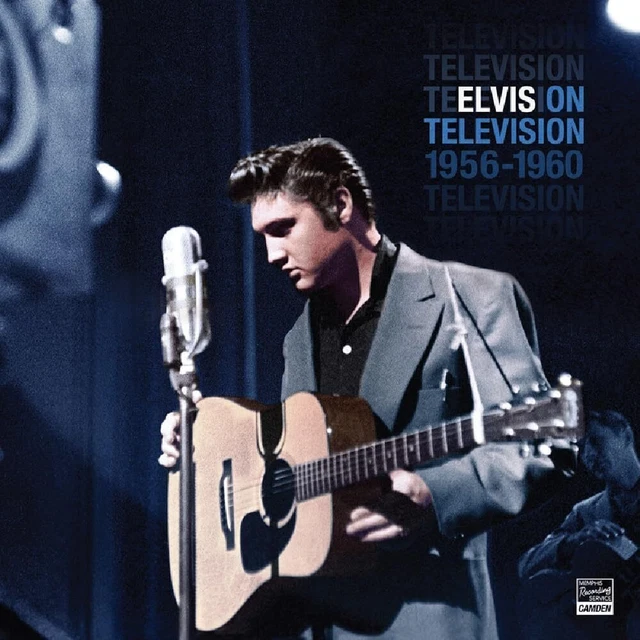
In the mid-1950s, the American cultural landscape underwent a seismic shift that would forever change the trajectory of popular music. At the heart of this revolution was a young man from Mississippi whose blend of rhythm, blues, and country music defied the social norms of the era. Elvis Presley, often referred to as the “King of Rock ‘n’ Roll,” became the focal point of a national debate regarding morality, race, and the influence of mass media. His rise to stardom in 1956 was not merely a musical success; it was a provocative cultural phenomenon that challenged the conservative fabric of post-war America.
By the spring of 1956, Elvis Presley was rapidly transforming into a national sensation. His first single for RCA Records, “Heartbreak Hotel,” had already claimed the number one spot on the charts, and his sultry looks and dynamic vocal style were driving the “Baby Boom” generation into a frenzy. Presley possessed a unique ability to bridge the gap between African American rhythm and blues and a burgeoning white teenage audience, effectively mainstreaming a sound that had previously been marginalized.
The true turning point in Presley’s career occurred during his appearance on The Milton Berle Show on June 5, 1956. While he had appeared on national television six times prior, this specific performance triggered the first major controversy of his career. As he performed his latest hit, “Hound Dog,” Presley’s uninhibited hip-swaying and pelvis-shaking intensity captivated his fans but horrified critics. The backlash was immediate and severe. Television critics across the United States slammed the performance, labeling it an “appalling lack of musicality” and citing “vulgarity” and “animalism.”
Even religious institutions weighed in on the “Elvis phenomenon.” The Catholic Church, through its weekly publication, issued a stark warning in a piece titled “Beware Elvis Presley.” These concerns were symptomatic of a larger societal fear regarding juvenile delinquency and the perceived erosion of traditional moral values among the youth. Elvis had inadvertently become the face of a generational rebellion.
The fallout from The Milton Berle Show was so significant that Ed Sullivan, the host of one of the most popular variety shows in America, publicly declared he would never hire the singer. Meanwhile, Steve Allen, who had already booked Presley for The Tonight Show, faced immense pressure from NBC to cancel. Allen chose to proceed but insisted on a compromise to “tame” the image of the star. In July 1956, Presley appeared on Allen’s show dressed in formal white tie and tails, good-naturedly singing “Hound Dog” to an actual basset hound. While the parody was a departure from his usual raw energy, the show garnered massive ratings.
Eventually, the draw of Presley’s popularity became too great for even his harshest critics to ignore. In August, Ed Sullivan reversed his stance, signing the young star to an unprecedented $50,000 contract for three appearances. Interestingly, during the first two shows, Presley was allowed to perform with relative freedom. However, by his final appearance, CBS took the extraordinary step of filming him only from the waist up.
Some historians suggest that these restrictive camera angles may have been a calculated move by Presley’s manager, Colonel Tom Parker, to generate further publicity. Regardless of the intent, the censorship only served to solidify Presley’s status as a legend. At the conclusion of the broadcast, Sullivan made a point to put his arm around Elvis, calling him a “real decent, fine boy,” signaling a cautious acceptance of the new musical era.
The Lasting Legacy of the King
The impact of Elvis Presley on global music cannot be overstated. By combining rhythm and blues with country influences, he helped launch the rock ‘n’ roll genre into the stratosphere. He was one of the world’s first true media superstars, a figure whose influence extended far beyond the recording studio.
Over the course of his career, which spanned two decades until his untimely death, Presley produced 90 albums and charted 149 singles—18 of which reached number one on the Billboard charts. He also starred in 31 films, proving his versatility as an entertainer. His funeral remains one of the most significant national media events in American history, marking the end of an era but the beginning of an eternal legacy. Today, the “Oldies” era of the 1950s continues to be defined by the rebellious spirit and soulful voice of the man who changed music forever.
Explore more of these timeless melodies and the stories behind the legends who shaped our musical heritage.