
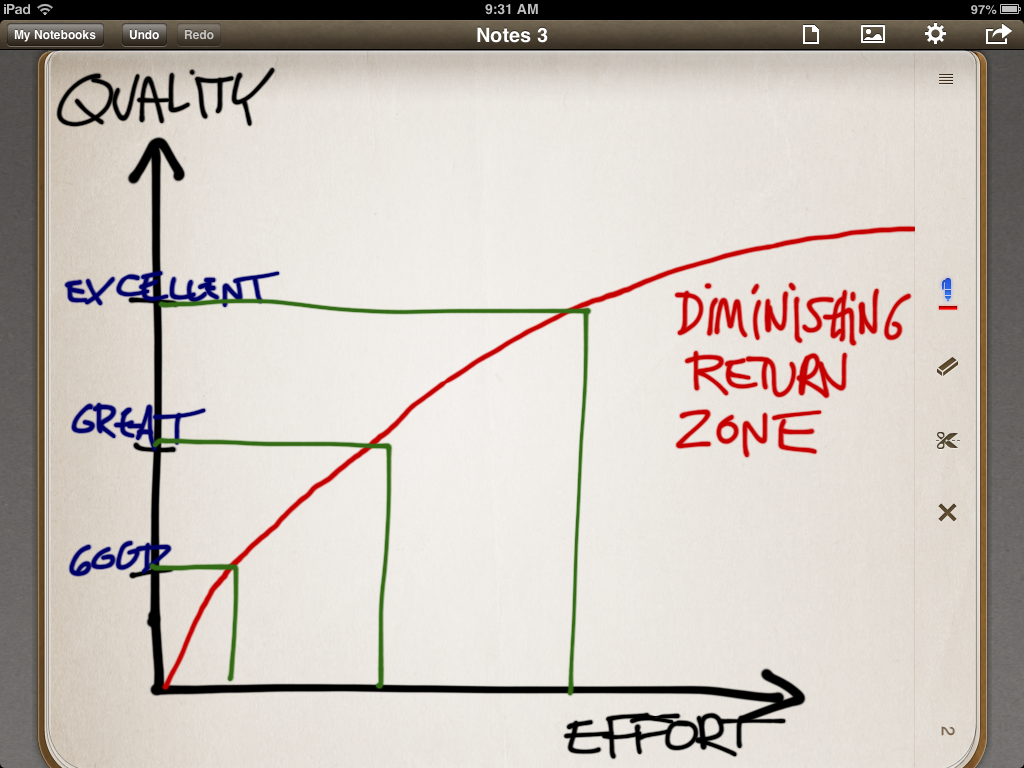
In the fast-paced world of professional development and office productivity, we often hear the term “excellence” tossed around as a corporate buzzword. We strive to produce the perfect report, the flawless spreadsheet, or the most efficient workflow. However, many professionals unknowingly fall into the trap of perfectionism, thinking it is the same as having a commitment to excellence. While they may look similar from a distance, one leads to sustainable growth and career satisfaction, while the other is a direct route to chronic stress and burnout.
Understanding the distinction between these two mindsets is the first step toward reclaiming your time, improving your mental clarity, and actually achieving the high-standard results you desire. This guide explores what it truly means to commit to excellence and provides actionable strategies to shift your mindset for long-term success.
What Does a Commitment to Excellence Truly Look Like?
A commitment to excellence is an internal compass, not an external performance. It is a dedicated approach to how you handle your responsibilities and yourself. Those who truly embody this trait share several core behaviors:
- Radical Responsibility: A willingness to own your intentions, actions, and attitudes in every situation—even when things go wrong.
- Integrity Alignment: Regularly checking in with yourself to ensure your work and life align with your core values. This means catching your own mistakes before someone else has to.
- Ruthless Prioritization: Having a deep understanding of what truly matters and what is merely “noise.”
- Facing Fear Directly: Instead of pretending anxiety doesn’t exist, excellent performers face their fears head-on and work through them.
- Proactive Self-Correction: Identifying weak spots and addressing them before they become systemic problems, rather than making excuses.
- Humility and Grace: Recognizing that you don’t know everything and maintaining compassion for yourself and others during the learning process.
Excellence vs. Perfectionism: Identifying the Difference
To the untrained eye, a perfectionist and an “excellent” worker might produce similar high-quality outputs. However, the internal cost and the long-term sustainability are vastly different.
| Feature | Commitment to Excellence | Perfectionism |
|---|---|---|
| Primary Focus | Inner growth and process | External outcomes and “looking good” |
| Response to Failure | A learning opportunity/Corrective action | Self-insult and rigid shame |
| Priorities | Select, focused priorities | Everything is a top priority |
| View of Weakness | A human trait to be managed | A problem to be obliterated |
| Long-term Result | Builds you up; Sustainable | Erodes you; Leads to burnout |
Perfectionism is often a mask for insecurity. It monitors every move with a “rigid code” and berates the self when standards aren’t met. It is fundamentally not humble, as it often leads to secret comparisons and self-righteousness when others fail. While excellence builds resilience, perfectionism eventually causes you to “run out of air,” much like trying to hold your breath indefinitely.
4 Practical Steps to Cultivate Excellence in Your Career
If you find yourself stirred by the idea of excellence but overwhelmed by the weight of perfectionism, you can make the shift starting today. Excellence requires no special talent—only willingness.
1. Keep the Principles Visible
The idea that you can maintain a high-level mindset without reminders is a myth. Print out your core values or the traits of excellence listed above and place them in your workspace. Whether it’s a sticky note on your monitor or a framed quote, these visual prompts serve as “anchors” when the pressure of the workday begins to mount.
2. Curate Your Environment
You are the average of the people you spend the most time with. Seek out colleagues, mentors, or communities—like high-integrity professional groups or even disciplined fitness communities—where excellence is the standard. If your current circle thrives on gossip or excuses, limit that contact and increase your time with those who value courage and integrity.
3. Reclaim Sovereignty Over Your Schedule
Excellence requires reflection. You must take charge of your time to allow for two essential activities:
- Daily Check-in (10-20 mins): Review your commitment to excellence. Where did you excel? Where did you slip into perfectionism?
- Mental Stillness/Meditation (10-20 mins): To stay focused, you must train your brain to be still.
If you feel you don’t have 20 minutes a day, it’s time to audit “time-wasters” like mindless scrolling or excessive media consumption.
4. Define Your “Why”
Why does doing your best work matter? It’s not about the paycheck; it’s about the value of your life. Every day counts, and none of us have as much time as we think. Reflect on the legacy you want to leave. Whether it’s writing a book, leading a team with heart, or contributing to a cause, clarity on your purpose makes the hard work of excellence feel rewarding rather than punishing.
Conclusion: The 100% Success Rate
The best part about committing to excellence is that it has a 100% success rate. This isn’t because you will never make a mistake, but because the goal isn’t “flashy results”—it’s integrity. When you align your actions with your values, you have already succeeded.
Perfectionism short-changes your potential and exhausts your spirit. By choosing excellence, you choose a path that builds you up, humbles you in the best ways, and shows you exactly what you are capable of achieving.
Are you willing to start today? Stop waiting for the perfect moment or the perfect skill set. Commitment begins right here, right now.
References:
- Dweck, C. S. (2006). Mindset: The New Psychology of Success.
- Brown, B. (2010). The Gifts of Imperfection.