
After a collision, your priority is finding a repair shop that guarantees quality, safety, and reliability—not just a quick fix. This is where collision repair shop certifications play a critical role. They distinguish professional, well-equipped shops from those that may cut corners, ensuring your vehicle is restored to its original condition with precision and care.
Why Certifications Matter in Collision Repair
Modern vehicles are engineered with advanced materials, intricate electronics, and sophisticated safety systems. After an accident, the goal isn’t just to make your car look good—it’s to restore its structural integrity, safety features, and performance. Certifications confirm that a shop’s technicians are trained to use the latest repair methods, tools, and manufacturer-approved procedures. This minimizes the risk of undetected damage, improper repairs, or future complications.
Shops with industry-recognized certifications are more likely to:
- Follow manufacturer repair guidelines
- Use approved parts and materials
- Preserve your vehicle’s warranty and resale value
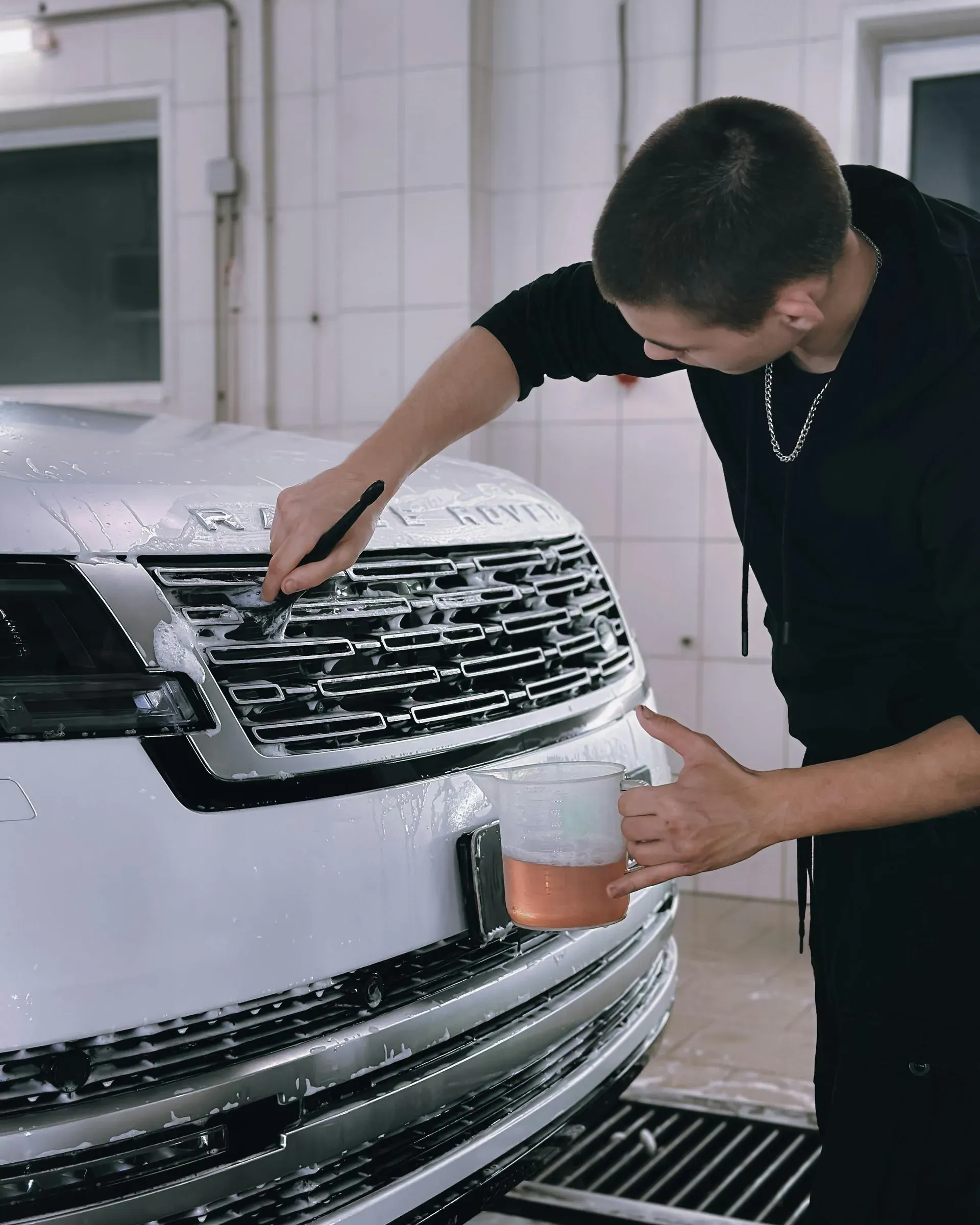
Certifications ensure that repairs are performed correctly, not just quickly or cheaply.
Key Collision Repair Certifications You Should Know
Not all certifications are equal. Some highlight a shop’s commitment to training and safety, while others demonstrate expertise in manufacturer-specific repairs. Below are the most respected certifications in the industry and what they mean for you.
I-CAR Gold Class
The I-CAR Gold Class designation is one of the most prestigious in collision repair. It signifies that a shop’s technicians receive ongoing training in the latest repair techniques, tools, and materials. Gold Class status is not permanent—it requires continuous education to stay updated with evolving vehicle designs and technologies. Currently, fewer than 22% of U.S. repair shops meet this standard, translating to less than 10,000 certified facilities nationwide.
OEM Certification
OEM (Original Equipment Manufacturer) certification means that a vehicle manufacturer (such as Ford, Honda, or BMW) has reviewed and approved the shop to perform repairs that meet factory specifications. These certifications typically require:
- Adherence to manufacturer-recommended repair procedures
- Access to OEM tools and equipment
- Installation of factory-approved parts
OEM certification ensures that repairs align with the original standards used to build your vehicle.
ASE Certification
ASE (Automotive Service Excellence) certification applies to individual technicians, not the shop itself. It involves a rigorous testing and recertification process covering various specialties, including collision repair and refinishing. ASE-certified technicians undergo regular testing to ensure their knowledge and skills remain current.
Professional Affiliations That Build Trust
While certifications verify technical standards, professional memberships demonstrate a shop’s commitment to ethics, community values, and continuous improvement. These affiliations don’t guarantee repair quality, but they signal a shop’s dedication to accountability and industry engagement.
Common industry-related memberships include:
- BBB (Better Business Bureau)
- NFIB (National Federation of Independent Business)
- AASP (Alliance of Automotive Service Providers)
Membership in these organizations suggests that a shop takes its role seriously, not just in performing repairs but in operating as a trustworthy business.
What Certified Repairs Mean for You
Choosing a certified collision repair shop isn’t just about credentials—it’s about what those credentials ensure for your vehicle and peace of mind. When a shop meets industry and manufacturer standards, you can expect:
- Technicians trained in proper repair procedures
- Access to the right tools, parts, and OEM guidelines
- Repairs that restore safety systems and structural integrity
- Work that helps protect your warranty and resale value
- Staff familiar with insurance processes and documentation
Ultimately, certifications provide confidence in the quality, safety, and reliability of the repairs.
How APC Auto Body Prioritizes Certification
At APC Auto Body, certifications are more than a formality—they’re a commitment to staying current with advancements in vehicle design, repair materials, and safety systems. Our team invests in ongoing training, uses manufacturer-approved tools, and follows repair procedures backed by OEM guidelines. Certifications like I-CAR Gold Class and OEM recognition reflect our dedication to performing work correctly and safely.
As a family-run business serving communities across the South Coast, we believe in building trust through consistency, transparency, and high standards—not just fixing cars.
Schedule Certified Collision Repair You Can Trust
If your vehicle needs bodywork, don’t let your insurance company direct you to the quickest or cheapest option. Look for a repair shop with verified credentials and a commitment to restoring vehicles with automotive service excellence.
APC Auto Body is an I-CAR Gold Class, OEM-certified facility, staffed with ASE-certified technicians. We’re also active members of trusted organizations like the BBB, NFIB, and AASP.
Have questions about our certifications or want to schedule an estimate? Contact us at (508) 998-9820 or visit our website to get started.