
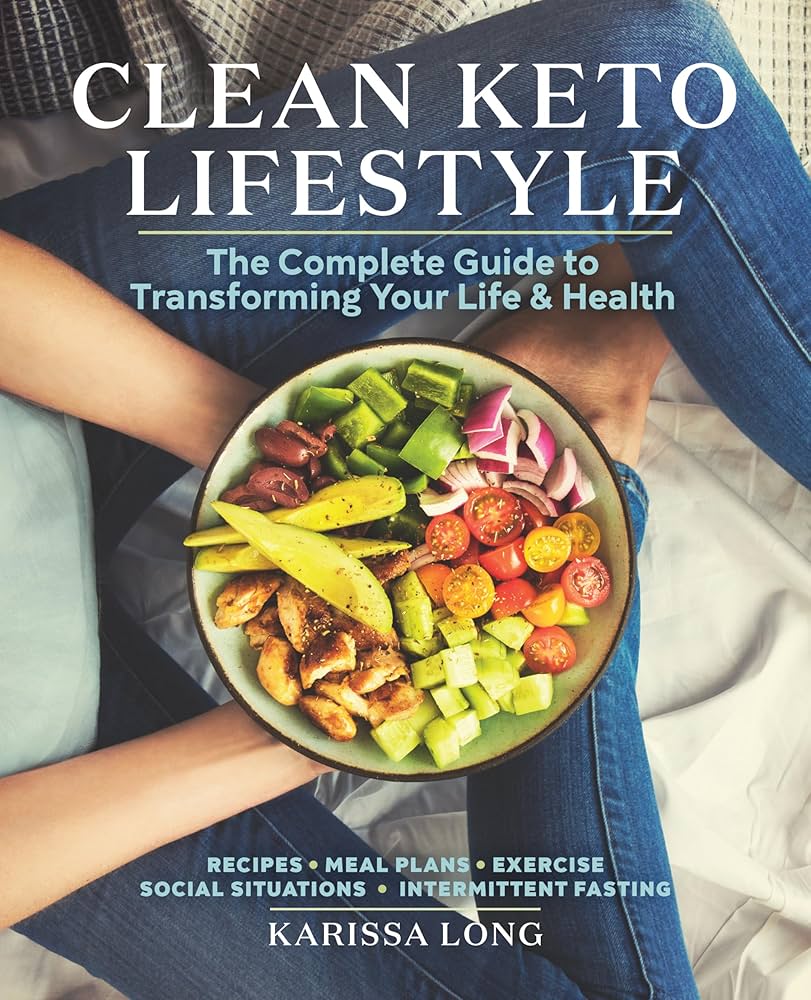
The clean ketogenic diet is a highly effective approach to low-carb, high-fat eating, emphasizing nutrient-dense, whole foods. This method prioritizes the quality of your food intake, ensuring you receive essential vitamins, minerals, and electrolytes crucial for optimal body and brain function, disease prevention, and overall well-being. Unlike “dirty keto,” which permits processed foods and artificial ingredients, clean keto focuses on unprocessed or minimally processed ingredients like fresh vegetables, fruits, lean meats, fish, eggs, and healthy fats. The ketogenic diet relies on a macronutrient ratio of 5% or fewer calories from carbohydrates, 70-80% from healthy fats, and 20-30% from protein. By adhering to a clean keto approach, you can maximize nutrient intake, promote a healthy gut microbiome, and achieve sustainable weight management.
Clean Keto vs. Dirty Keto: Understanding the Difference
While both clean and dirty keto aim to achieve ketosis by limiting carbohydrate intake, their fundamental philosophies regarding food quality diverge significantly.
Clean Keto: Prioritizing Whole Foods
The clean keto diet is centered around consuming foods in their most natural state. This includes a wide array of non-starchy vegetables and fruits, quality proteins such as meat, fish, and poultry, eggs, dairy, and healthy fats like olive oil and coconut oil. The emphasis is on nutrient density, ensuring that every bite contributes valuable micronutrients to your diet. This focus on high-quality ingredients supports not only weight loss but also long-term health and vitality.
Dirty Keto: Convenience Over Quality
Dirty keto, also known as “lazy keto,” adopts a more relaxed stance on food choices, allowing for highly processed items like pork rinds, sugar-free sodas, and fast food. While this approach can be a convenient way to enter ketosis, it often comes at the cost of nutritional value and can have detrimental long-term health consequences. The primary concern with dirty keto lies in the potential for additives such as artificial sweeteners, food dyes, MSG, and industrial seed oils, which can contribute to inflammation, obesity, type 2 diabetes, and heart disease. Furthermore, processed foods are often “empty calories,” stripped of essential vitamins and minerals.
| Clean Keto | Dirty Keto |
|---|---|
| Macronutrients | ✔ 5% carbs, 70-80% fat, 20-30% protein |
| Ketosis | ✔ Yes |
| Nutrient density | ✔ Excellent source of micronutrients |
| Long-term health and weight loss | ✔ Yes; Long term health |
The Profound Benefits of Embracing Clean Keto
Adopting a clean ketogenic lifestyle offers a multitude of health advantages that extend far beyond simple weight loss.
1. Optimized Nutrient Intake for Peak Health
Foods in their natural state or those minimally processed are inherently richer in essential nutrients. For instance, unprocessed meat is a powerhouse of nutrients that are challenging to obtain in adequate amounts from other food sources. Your macros are essential for energy, and clean keto ensures you get them from high-quality sources. This nutrient density is vital for a myriad of bodily functions, impacting everything from energy levels to immune response.
2. Cultivating a Thriving Gut Microbiome
The gut microbiome, a complex ecosystem of microorganisms in your digestive tract, plays a pivotal role in overall health, influencing metabolism, immunity, brain function, and mood. Long-term consumption of food additives, commonly found in processed foods, has been linked to intestinal inflammation, colitis, colorectal cancer, and metabolic syndrome. Studies suggest that emulsifiers, a type of food additive, can directly alter the gut microbiome, leading to increased fat mass and anxiety-like behaviors. By focusing on whole, unprocessed foods, a clean keto diet actively supports a healthy gut, thereby reducing the risk of various health concerns.
3. Sustainable Weight Management and Lasting Results
Achieving sustainable fat loss, whether visceral or subcutaneous, requires a commitment to dietary quality. While dirty keto may promise rapid weight loss, the clean eating approach offers a more enduring path to a healthier body composition. Changing the quality of your diet is paramount for experiencing lasting results. How Much Weight Can You Lose on Keto (and How Fast)? provides further insights into the potential of the ketogenic diet for weight management.
4. Economic Advantages in the Long Run
Contrary to popular belief, eating healthy can be more cost-effective in the long run. While diets rich in processed foods may seem cheaper initially, they increase the risk of chronic diseases, leading to significant healthcare expenses. A meta-analysis indicated that healthier dietary practices incur only a modest additional daily cost compared to less healthy diets. This difference is negligible when weighed against the financial burden of illness. By adopting a clean keto approach and utilizing cost-saving strategies like buying in bulk, planning meals, and minimizing food waste, you can achieve significant long-term financial benefits. For those on a budget, keto on a budget strategies can be invaluable.
Stocking Your Clean Keto Kitchen: What to Eat and Avoid
Navigating the clean keto diet is made simpler by understanding which foods to embrace and which to limit.
Embrace These Clean Keto Foods:
- High-fat protein sources: Grass-fed beef, fatty wild-caught fish, free-range eggs.
- Low-carb vegetables: Leafy greens, broccoli, cauliflower, zucchini, bell peppers.
- Berries: In small portions, such as blueberries, raspberries, and strawberries.
- Healthy fats: Avocado, nuts, nut butter, full-fat yogurt, olive oil, coconut oil.
- Seeds: Chia seeds, flax seeds, pumpkin seeds.
- Unprocessed cheeses: Cheddar, mozzarella, feta.
Steer Clear of These Foods:
To maintain the integrity of a clean keto diet, it’s crucial to avoid foods that can disrupt ketosis or negatively impact your health, even if they technically fit within macro guidelines:
- Pork rinds (often fried in vegetable oils with added sugars)
- Deli and processed meats (e.g., hot dogs, luncheon meats, cured bacon)
- Bunless cheeseburgers from fast-food restaurants (due to additives and cooking oils)
- Processed cheese
- Low-carb packaged snacks containing artificial sweeteners, vegetable oils, and other harmful additives
- Margarine
- Mayonnaise (unless homemade with clean ingredients)
- Processed vegetable oils (canola, corn, soybean)
- Sugar-free soda (often contains artificial sweeteners)
- Bottled or boxed juices (high in sugar and additives)
A 7-Day Sample Clean Keto Meal Plan
To illustrate the delicious possibilities of clean keto, here is a sample meal plan to guide your culinary journey:
Day 1
- Breakfast: Scrambled eggs with spinach and avocado slices.
- Lunch: Large green salad with grilled chicken, olive oil, and lemon dressing.
- Dinner: Baked salmon with roasted asparagus.
Day 2
- Breakfast: Full-fat Greek yogurt with a small handful of berries and chopped nuts.
- Lunch: Homemade Keto Mozzarella Sticks with a side salad.
- Dinner: Chicken thighs with cauliflower rice and steamed broccoli.
Day 3
- Breakfast: Omelet with mushrooms, bell peppers, and cheese.
- Lunch: Leftover chicken thighs and cauliflower rice.
- Dinner: Zucchini noodles (“zoodles”) with a rich meat sauce.
Day 4
- Breakfast: Eggs and spinach, topped with cheese slices.
- Lunch: Shrimp Stacks with avocado.
- Dinner: Pork chops with sautéed green beans.
Day 5
- Breakfast: Smoothie made with unsweetened almond milk, protein powder, spinach, and chia seeds.
- Lunch: Tuna salad (made with avocado or olive oil-based mayo) served in lettuce cups.
- Dinner: Steak with a side of creamed spinach.
Day 6
- Breakfast: Instant Pot Hard Boiled Eggs with a slice of avocado.
- Lunch: Fried chicken (coated in almond flour) with broccoli.
- Dinner: Low-Carb Romanesco With Cabbage Noodles.
Day 7
- Breakfast: Keto pancakes made with almond flour, served with sugar-free syrup and butter.
- Lunch: Leftover romanesco and cabbage noodles.
- Dinner: Ground beef stir-fry with mixed low-carb vegetables (using tamari or coconut aminos).
Practical Tips for a Successful Clean Keto Lifestyle
Transitioning to or maintaining a clean keto diet can be made easier with a few strategic tips.
Stock Your Kitchen Wisely
Fill your refrigerator and pantry with an abundance of fresh, whole foods. Prioritize quality meats, low-carb vegetables, healthy fats, and nuts. Remove tempting processed foods and sugary snacks to prevent impulsive choices when cravings arise. Regularly diversify your food inventory to ensure a nutrient-rich and varied menu.
Master the Art of Meal Prep
Effective meal preparation is key to staying on track. Plan your grocery shopping meticulously and batch-cook keto-friendly meals for the week ahead. Options like pre-cooked ground grass-fed beef, egg muffins, and bone broth are excellent choices that store well. Creating a comprehensive shopping list can further streamline your grocery trips and minimize food waste.
Keep Clean Keto Snacks Readily Available
Even with the reduced hunger often experienced on keto as your body becomes fat-adapted, having healthy snacks on hand is essential. Opt for nutrient-dense options such as hard-boiled eggs, nuts (macadamia, pecans), vegetable sticks, slices of unprocessed cheese, lettuce wraps with tuna, or specialized Keto-friendly protein bars and Nola Bars. These require minimal preparation and help you stay aligned with your dietary goals.
Make Smart Food Swaps
Integrate clean keto alternatives into your daily eating habits. For example, preparing your own preservative-free burgers at home offers a cleaner and often more flavorful alternative to restaurant options. By using high-quality ingredients like grass-fed beef, unprocessed cheese, and preferred spices, you can create a healthier version of your favorite meals.
Cook with Wholesome Fats
Utilize healthy cooking fats such as coconut oil, olive oil, grass-fed butter, ghee, and animal fats like lard and tallow. It is advisable to avoid processed vegetable oils like canola and corn due to their inflammatory properties and high omega-6 content. MCT oil is another excellent keto-friendly fat for low-temperature cooking or adding to beverages, but it should not be used for deep frying and must be used judiciously to avoid exceeding its smoke point. For convenience and specific applications, consider MCT oil.
The Clean Keto Diet: A Path to Lasting Well-being
The clean ketogenic diet, with its emphasis on unprocessed or minimally processed foods, offers a manageable and highly effective strategy for achieving your health and ketogenic objectives. By incorporating whole foods, prioritizing nutrient density, and making informed dietary choices, you can unlock a multitude of health benefits, including optimized nutrient intake, improved gut health, and sustainable weight management.
If you’re seeking a structured approach to begin your clean keto journey, consider the doctor-developed Keto Kickstart plan. This comprehensive 30-day guide is designed to support weight loss, reduce cravings, and boost energy levels, paving the way for a healthier, more vibrant you.
References
- P. R. (2017, May 1). The influence of micronutrients on cognitive function and performance. PubMed. Retrieved January 19, 2026, from https://pubmed.ncbi.nlm.nih.gov/17408051/
- A. B. (2007, January 1). Micronutrients in health and disease. PubMed Central (PMC). Retrieved January 19, 2026, from https://pmc.ncbi.nlm.nih.gov/articles/PMC2585731/
- B. S. (2019, October 28). Effects of Food Additives on Immune Cells As Contributors to Body Weight Gain and Immune-Mediated Metabolic Dysregulation. PubMed Central (PMC). Retrieved January 19, 2026, from https://pmc.ncbi.nlm.nih.gov/articles/PMC5672138/
- H. R. (2021, February 10). Ultra-processed foods linked to poor heart health. Harvard Health Blog. Retrieved January 19, 2026, from https://www.health.harvard.edu/heart-health/ultra-processed-foods-linked-to-poor-heart-health
- A. B. (2018, November 1). Sugar Addiction: From Evolution to Revolution. PubMed Central (PMC). Retrieved January 19, 2026, from https://pmc.ncbi.nlm.nih.gov/articles/PMC6234835/
- T. L. (2021, August 2). Meat and Human Health—Current Knowledge and Research Gaps. PubMed Central (PMC). Retrieved January 19, 2026, from https://pmc.ncbi.nlm.nih.gov/articles/PMC8305097/
- K. D. (2015, July 30). Contribution of meat to vitamin B-12, iron, and zinc intakes in five ethnic groups in the U.S.: Implications for developing food-based dietary guidelines. PubMed Central (PMC). Retrieved January 19, 2026, from https://pmc.ncbi.nlm.nih.gov/articles/PMC5023012/
- . (n.d.). Vitamin B12. National Institutes of Health Office of Dietary Supplements. Retrieved January 19, 2026, from https://ods.od.nih.gov/factsheets/VitaminB12-HealthProfessional/
- . (n.d.). Iron. National Institutes of Health Office of Dietary Supplements. Retrieved January 19, 2026, from https://ods.od.nih.gov/factsheets/Iron-Consumer/
- . (n.d.). Zinc. National Institutes of Health Office of Dietary Supplements. Retrieved January 19, 2026, from https://ods.od.nih.gov/factsheets/Zinc-Consumer/
- C. A. (2016, May 24). Gut microbiota, metabolites and host immunity. PubMed. Retrieved January 19, 2026, from https://pubmed.ncbi.nlm.nih.gov/27231050/
- G. E. (2012, October 30). Mind-altering microorganisms: the impact of the gut microbiota on brain and behaviour. PubMed. Retrieved January 19, 2026, from https://pubmed.ncbi.nlm.nih.gov/22968153/
- M. S. (2019, November 4). Impact of Food Additives on Gut Homeostasis. PubMed Central (PMC). Retrieved January 19, 2026, from https://pmc.ncbi.nlm.nih.gov/articles/PMC6835893/
- W. B. (2018, March 1). Impact of food additives on the gut-brain axis. PubMed. Retrieved January 19, 2026, from https://pubmed.ncbi.nlm.nih.gov/29454065/
- . (n.d.). Blueberries, raw – 1 cup. Nutritionix. Retrieved January 19, 2026, from https://www.nutritionix.com/i/usda/blueberries-raw-1-cup/513fceb475b8dbbc21000fe0
- . (n.d.). Organic Dried Blueberries. Nutritionix. Retrieved January 19, 2026, from https://www.nutritionix.com/i/kirkland-signature/organic-dried-blueberries/55f4577c5f21ca5f6889b1a7
- L. R. (2016, April 26). Minimally processed foods are more satiating and less hyperglycemic than ultra-processed foods: a preliminary study with 98 ready-to-eat foods. PubMed. Retrieved January 19, 2026, from https://pubmed.ncbi.nlm.nih.gov/27125637/
- K. M. (2020, October 15). The Effects of Ultra-Processed Food Consumption—Is There Any Action Needed? PubMed Central (PMC). Retrieved January 19, 2026, from https://pmc.ncbi.nlm.nih.gov/articles/PMC7551378/
- M. P. (2013, December 1). Do healthier foods and diet patterns cost more than less healthy options? A systematic review and meta-analysis. PubMed Central (PMC). Retrieved January 19, 2026, from https://pmc.ncbi.nlm.nih.gov/articles/PMC3855594/
- B. K. (2010, December 15). Health implications of high dietary omega-6 polyunsaturated Fatty acids. PubMed. Retrieved January 19, 2026, from https://pubmed.ncbi.nlm.nih.gov/22570770/