
Beloved by both philosophers and presidents, the Citroën DS captured imaginations when it debuted in 1955. Its groundbreaking design, advanced engineering, and futuristic styling cemented its place as one of the most influential cars in automotive history. From its elegant lines to its revolutionary suspension, the DS has remained an enduring symbol of French innovation and sophistication.

A Revolutionary Debut
The Citroën DS was unveiled at the Paris Motor Show on 5 October 1955, immediately astonishing the public. With 12,000 orders placed on the very first day, the car’s debut reflected a perfect alignment with the post-war French desire for progress and style. Combining avant-garde engineering with sleek aesthetics, the DS was more than a vehicle—it was a statement of modernity.
The car was designed by Flaminio Bertoni, an Italian artist and designer who had joined Citroën in 1931. Bertoni’s portfolio included the 2CV, Citroën’s revolutionary TPV (Toute Petite Voiture), and the iconic corrugated HY van. Under the guidance of engineer André Lèfebvre, Bertoni’s DS design combined bold, futuristic styling with practical, long-lasting engineering, setting it apart from all competitors.
Engineering Marvel
The DS was celebrated for its advanced technology. Features such as all-round disc brakes, hydro-pneumatic suspension, adjustable ride height, and a clutchless gearshift made it a marvel of automotive innovation. The car’s unique single-spoke steering wheel and minimalist interior further emphasized its futuristic appeal.
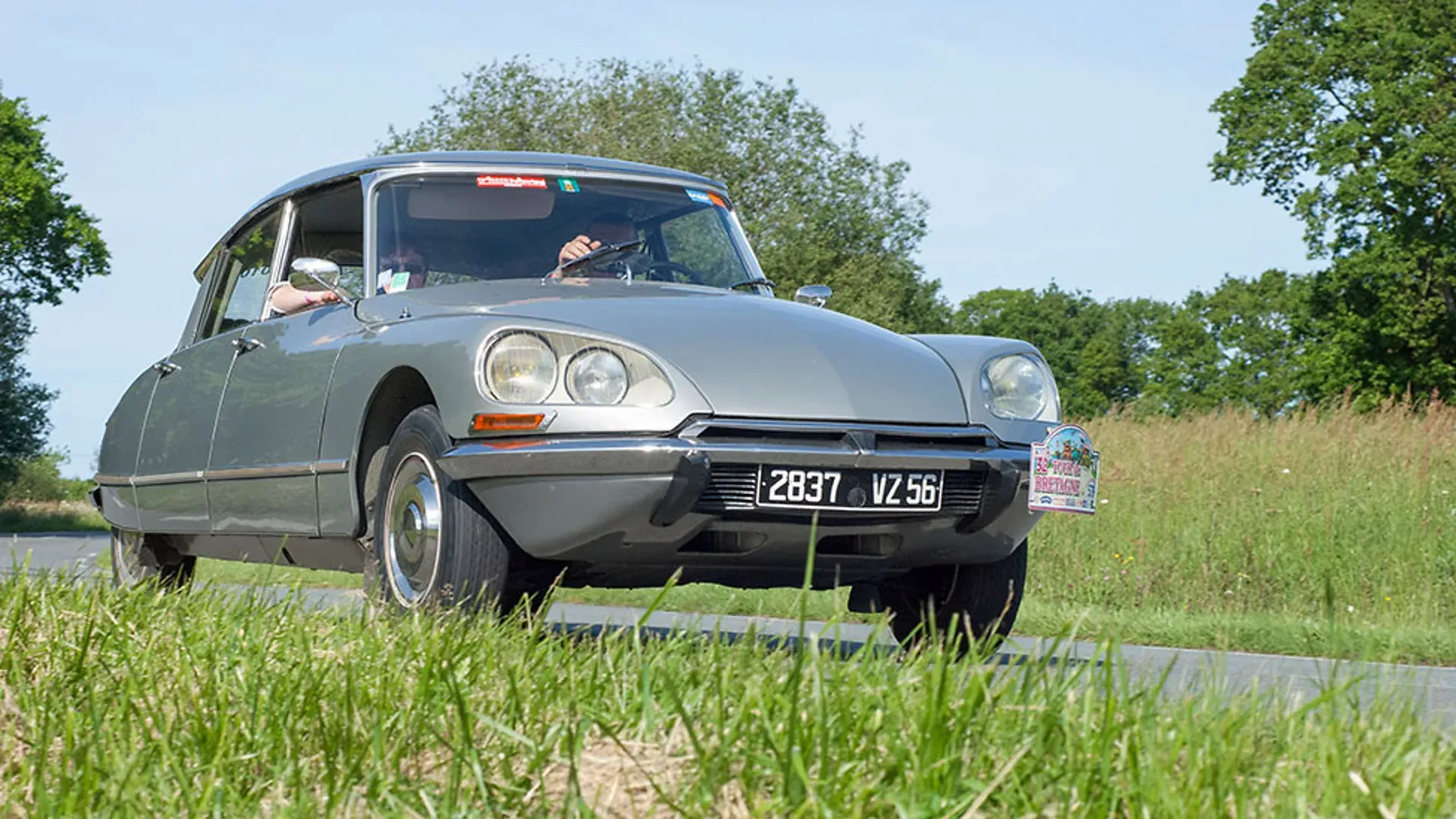
Noted French philosopher Roland Barthes compared the DS to Gothic cathedrals, describing it as “the supreme expression of an era.” Contemporary publications also recognized its innovation: The Motor hailed it as “one of the biggest advances in production car design in the whole history of motoring,” while Australia’s Wheels magazine declared it nearly unlike any other car on the road.
Expanding the Range
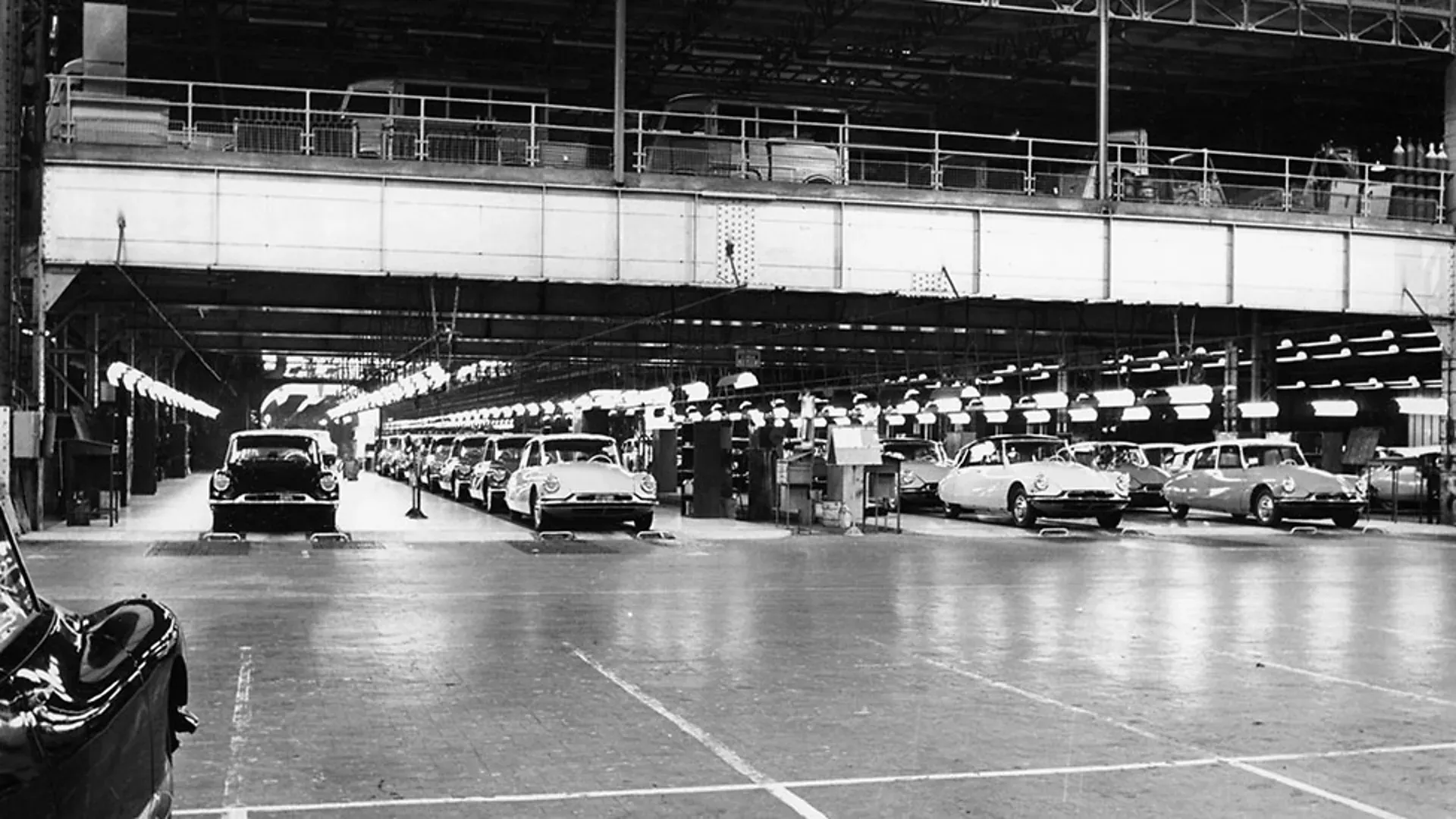
Citroën offered multiple versions to cater to diverse audiences. The economical ID provided accessibility for a broader market, while the stylish two-door Decapotable and the practical Break estate appealed to those seeking elegance and utility. By 1970, DS production peaked at nearly 1.5 million units worldwide, spanning factories in France, England, Australia, South Africa, and Yugoslavia. Despite its European success, the DS struggled in the U.S., where buyers preferred cars with automatic transmission, air conditioning, and electric windows.
Design Evolution and Legacy
In 1967, Citroën designer Robert Opron updated the DS with swivel headlamps and a redesigned front end, enhancing both safety and visual appeal. The DS also became a favorite among architects, designers, and engineers, including British architects Alison and Peter Smithson, who documented their journeys in a book celebrating the car’s design influence.
The DS gained fame for its role in history as well. During an assassination attempt on President Charles de Gaulle in 1962, the DS’s advanced suspension allowed him to escape unharmed despite a hail of bullets puncturing the tires. De Gaulle’s preference for the car solidified its reputation as a symbol of reliability and sophistication.
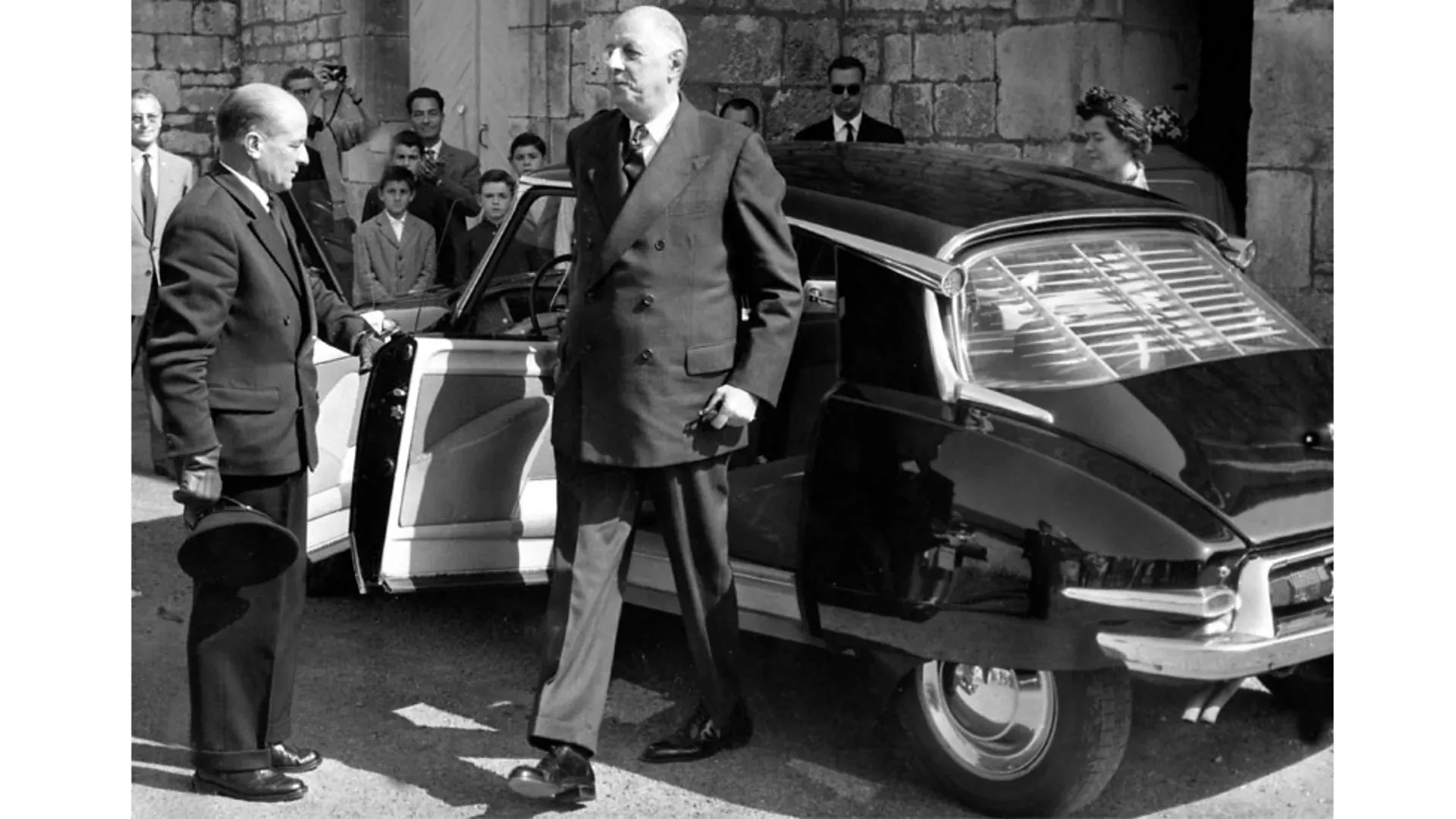 President Charles de Gaulle was one of the many famous advocates of the DS (Keystone Pictures USA / Alamy)
Continuing Influence
While the DS Divine concept highlights Citroën’s focus on luxury and style for emerging markets today, it cannot fully replace the original DS’s impact. Classic DS models remain coveted by collectors and enthusiasts worldwide, embodying the perfect blend of innovative engineering, daring design, and French artistry.
For those exploring automotive history or simply appreciating design excellence, the Citroën DS remains an icon that transcends time. Like Roland Barthes, contemporary journalists, and 1.5 million original buyers, anyone who experiences a DS is likely to become a devoted admirer of this French automotive goddess.
References
- Ladbury, L. (n.d.). Citroën DS suspension history. Alamy.
- Heritage Image Partnership Ltd. (n.d.). Global production of Citroën DS. Alamy.
- Keystone Pictures USA. (n.d.). Charles de Gaulle in Citroën DS. Alamy.
- Barthes, R. (1957). Mythologies. Paris: Seuil.
- Glancey, J. (n.d.). The story of Citroën DS. BBC Culture.