
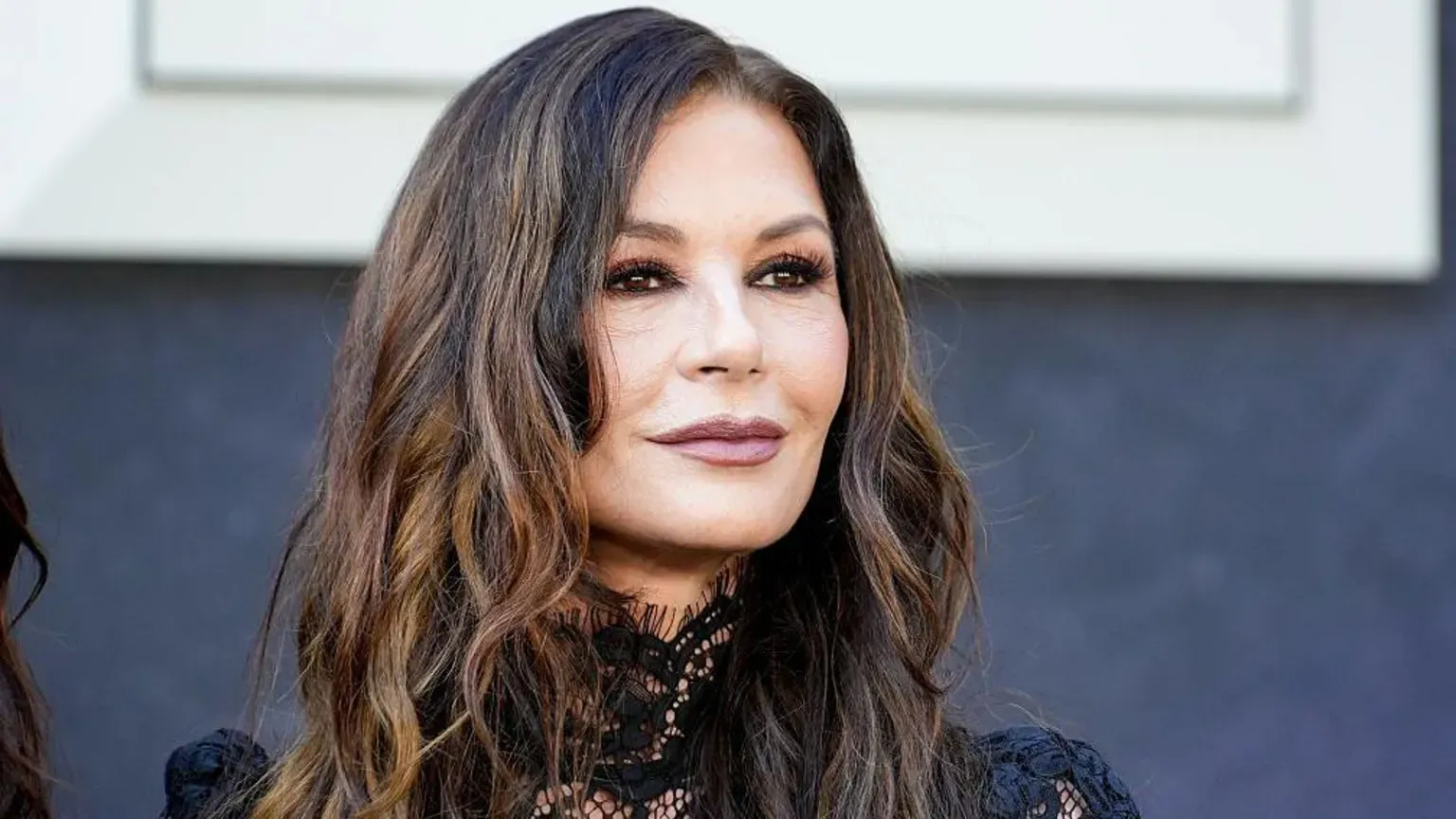
Catherine Zeta-Jones, the acclaimed Oscar-winning actress, recently found herself at the center of online criticism regarding her appearance at a Netflix event. The incident, which occurred on November 9th in Los Angeles, highlighted a pervasive issue of ageism and appearance-based judgment that women, particularly those in the public eye, often face. While attending a red carpet event for Netflix’s “Wednesday” FYC, an interview about her role was largely overshadowed by disparaging comments on social media, primarily focused on her age and looks. This backlash, however, has ignited a wave of support for Zeta-Jones, with numerous women rallying behind her and condemning the age-shaming remarks.
The interview in question, which was shared on TikTok and Facebook and garnered over 2.5 million views, featured Zeta-Jones discussing her enjoyment of exploring the character of Morticia Addams in the second season of the series. Despite the professional context, a significant portion of the hundreds of comments veered into personal attacks concerning her age and appearance. This phenomenon, where women are subjected to intense scrutiny over how they age, is a stark contrast to the often less critical examination of their male counterparts.
The online criticism against Zeta-Jones prompted a powerful response from many, including a viral video from a Facebook user articulating the double standard: “You bully women when they get too much work done and bully them when they don’t have enough.” This sentiment resonated with many who felt the commentary on Zeta-Jones’s looks was unfair and indicative of a broader societal issue. Defending the actress, commenters noted her natural aging process, with many describing her as “gorgeous” and “so pretty,” emphasizing that she “looks her age – that’s called reality.”
Challenging Ageist Beauty Standards
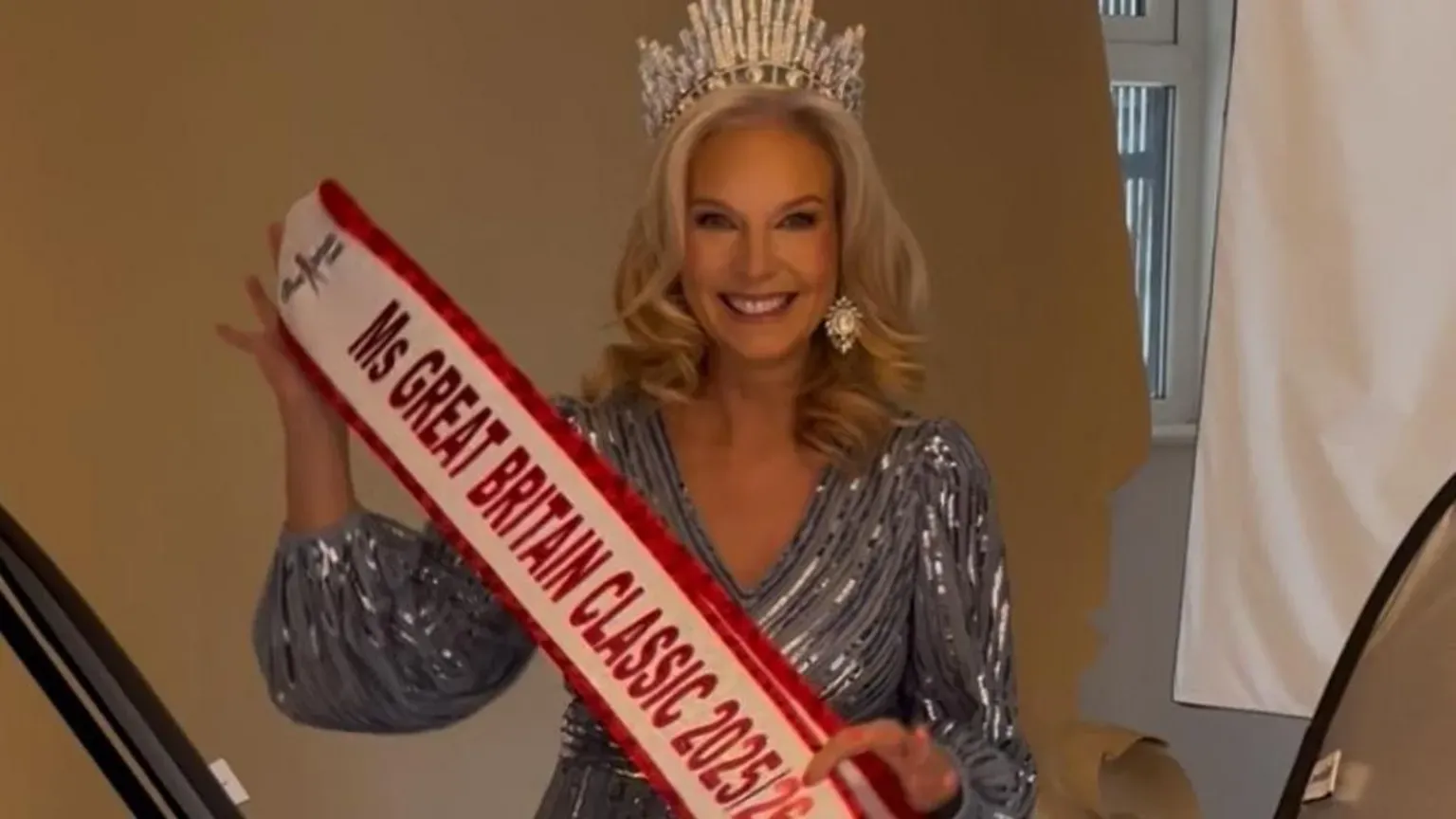
Among those speaking out against the ageist comments was Laura White, 58, the current Miss Great Britain Classic. White dismissed the backlash as “complete nonsense,” asserting that “men don’t have this sell-by/use-by date that women do.” She highlighted the unequal beauty standards imposed on women, noting that men like Tom Cruise, George Clooney, or Tom Jones are rarely questioned about their age, simply praised for looking “great.” White’s participation in the over-45s category of Miss Great Britain was a deliberate act to “show that midlife women are still here” and “still have it.”
Appearing makeup-free on BBC Radio Wales Breakfast, White aimed to underscore her point that there is no singular “template” for how a woman in her 50s should look. She emphasized that personal care, for her and many women her age, is about feeling “better” and looking “healthy,” rather than solely aiming to appear younger. “Ageing is a privilege,” she stated, “and if we can do it the best we can, that’s what really matters.”
The Pervasive Nature of Scrutiny
Echoing these sentiments was Sali Hughes, a 50-year-old beauty journalist, author, and presenter from Wales. Hughes, while acknowledging Zeta-Jones’s inherent beauty, stressed that it was “not the point.” She argued that Zeta-Jones, like all women, should have the freedom to present herself as she wishes without her age being subjected to public scrutiny. Hughes described the online abuse as evidence that “no woman is immune” and that women are not deserving of the “constant narrative” that they are inadequate due to age. This issue, she contended, is “galling, regardless of who the victim is.”
When asked if men face similar levels of scrutiny, Hughes unequivocally responded, “no, never.” She observed that women often face criticism simply for having the “audacity” to exist online as they get older. Hughes also pointed out the contradictory nature of societal expectations within the beauty industry. Despite the promotion of “longevity,” women are criticized whether they choose to age naturally or opt for cosmetic procedures like plastic surgery or injectables. “If you age naturally, people say you should do more; if you get work done, you’re accused of not aging gracefully enough,” she explained, encapsulating the no-win situation many women feel trapped in.

The outpouring of support for Catherine Zeta-Jones underscores a growing movement to challenge and dismantle the pervasive ageism and unfair beauty standards that continue to affect women. By speaking out and standing in solidarity, women like Laura White and Sali Hughes are helping to create a space where women of all ages can be celebrated for their achievements and contributions, rather than being judged solely on their appearance. This collective voice aims to foster a more equitable and accepting environment, encouraging the public to focus on talent and substance over superficial and age-related critiques.