
Chinchillas are highly social, energetic, and unique animals that demand special care and attention. Their sensitive nature and specific needs make them a significant long-term commitment. Before adopting one from a shelter or rescue group, it’s crucial to understand the responsibilities involved in providing them with a happy, healthy life.
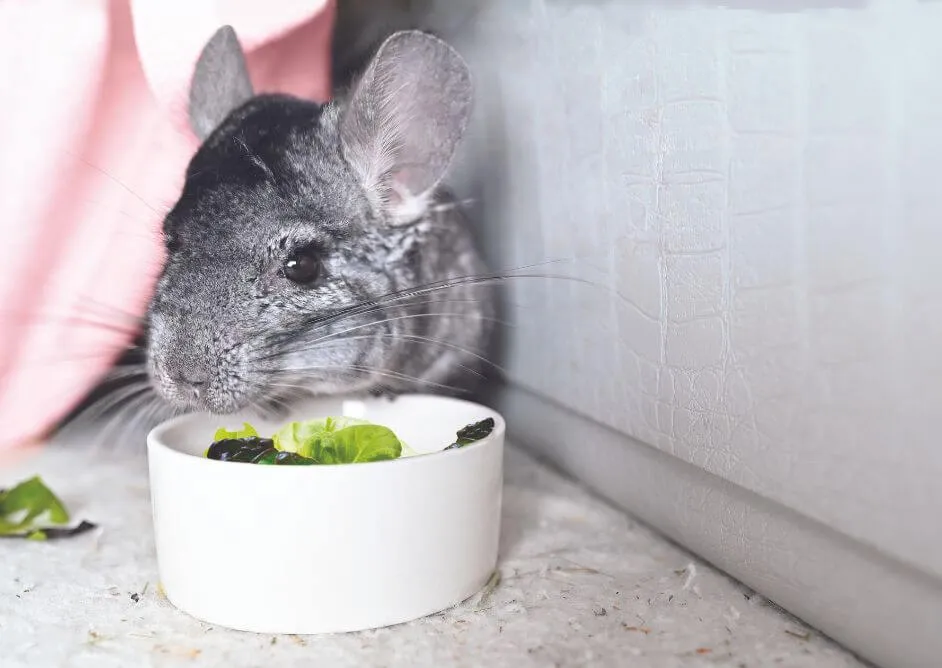
Are You Ready for a 20-Year Commitment?
Chinchillas can live up to 20 years or more when properly cared for. This means decades of providing the right environment, veterinary care, food, enrichment, and companionship. Their care is not only time-consuming but also costly, requiring consistent financial and emotional investment.
Are Chinchillas Suitable for Children?
Chinchillas are not ideal pets for kids. Their sensitive temperament means they can bite if startled by loud noises, sudden movements, or improper handling. Their sharp front teeth can cause deep, painful wounds. Additionally, their delicate bodies are easily injured if mishandled. Children should never handle chinchillas without strict adult supervision.
These animals should always be held gently with two hands to make them feel secure. Never pick them up by the tail, as this can cause serious injury. In the wild, chinchillas flee from threats, but in confinement, they may act defensively if they feel cornered.
Can You Provide the Right Living Environment?
Chinchillas are not low-maintenance pets. Their enclosure must meet a long list of requirements to ensure their well-being:
Space and Housing
- Chinchillas are exceptional jumpers, capable of leaping up to 6 feet in the air. A single chinchilla’s enclosure should be at least 4 feet wide and 3 feet tall, but larger is always better.
- Their habitat should be multilayered, with ramps, shelves, and hiding spots (like nesting boxes) to mimic their natural exploratory behavior.
Bedding and Hygiene
- Use 1–2 inches of high-quality, paper-based bedding to keep them warm. Avoid cedar or pine shavings, as these can irritate their respiratory system if ingested.
- Provide a shallow tray of fine sand for daily dust baths, an essential part of their grooming routine.
Temperature and Humidity
- Chinchillas are highly susceptible to heatstroke. They must be kept in a cool, dry, well-ventilated area away from direct sunlight.
- The ideal temperature is below 75°F (24°C), and humidity should remain below 40–50%. A thermometer near their cage is essential for monitoring.
Enrichment and Exercise
- Chinchillas chew constantly due to their continuously growing teeth. Provide wooden, rope, cardboard, or pumice toys—never plastic.
- Replace toys regularly to keep them engaged.
- Include a large exercise wheel to prevent health issues like painful foot sores from inactivity.
Social Needs
- In the wild, chinchillas live in large colonies of up to 100 individuals. Keeping them alone can lead to loneliness and stress.
- It’s strongly recommended to adopt at least two chinchillas to meet their social needs, which also means doubling the space, toys, and resources.
Hydration
- Ensure constant access to clean drinking water from a bottle, checked at least twice daily.
Can You Meet a Chinchilla’s Dietary and Health Needs?
Specialized Diet
Chinchillas have sensitive digestive systems and require a carefully balanced diet:
- Unlimited high-quality hay (available 24/7).
- 1–2 tablespoons of grass-based pellets daily.
- Treats should be limited to dried fruits and root vegetables.
- Avoid nuts, seeds, citrus fruits, corn, high-sugar vegetables, and toxic options like asparagus, peas, cabbage, lettuce, and broccoli.
Environmental Maintenance
- Daily spot-cleaning (15 minutes) to remove waste, wet bedding, and leftover food.
- Clean food and water containers daily with soap and water.
- Weekly deep cleaning: Empty the cage, wipe it down, and replace the bedding.
Veterinary Care
- Chinchillas need regular checkups from a vet experienced with exotic pets.
- They do not require vaccines but need deworming, full-body exams, and dental checkups.
- A routine visit can cost $200–$300.
- Spaying female chinchillas is highly risky and generally not recommended. Instead, sterilize males or keep same-sex pairs to avoid unwanted pregnancies.
The Financial Cost of Owning a Chinchilla
Owning a chinchilla involves ongoing expenses:
- Cage with setup and accessories: ~$700
- Healthcare: >$200/year (checkups only; extra costs for procedures)
- Toys: $50/year
- Dust for baths: $50/year
- Bedding: ~$150/year
- Food: >$150/year
Are you prepared to cover these costs for their entire lifetime?
Where to Adopt a Chinchilla
Most people lack the time, finances, space, or experience to care for a chinchilla properly. If you’re fully prepared to provide a lifetime of compassionate care for at least two bonded chinchillas, adopt—don’t shop.
Many shelters lack the resources to take in chinchillas, so consider reputable rescue groups like:
Chinchillas are often surrendered because families purchase them impulsively, mistakenly believing they’re easy “starter pets.” This contributes to the overpopulation crisis in shelters, where many animals are turned away due to limited space.
The Dark Side of the Pet Trade
Chinchillas sold in pet stores often come from squalid breeding facilities. Investigations have revealed horrific conditions, including:
- Chinchillas confined in filthy, overcrowded spaces.
- Denial of veterinary care for untreated wounds and chronic illnesses.
- Severe suffering from open wounds, eye ailments, and matting.
A 2020 PETA investigation exposed a breeding facility where chinchillas endured painful, untreated conditions. These animals are not commodities—they are sensitive, feeling beings who deserve compassion.
Every Chinchilla Deserves a Loving Home
Chinchillas are not toys to be bought and sold. Never purchase them—or any animal—from breeders or pet stores. Instead, take the pledge to adopt and give a chinchilla in need a forever home.