
Oldies music is more than just a nostalgic playlist—it is a cultural bridge to the golden era of American music, where legends like Elvis Presley shaped the sound and spirit of generations. Among the many symbols of this era, Graceland stands as a living monument to the King of Rock & Roll, reflecting not only his musical genius but also his bold personality and lifestyle.
For international audiences exploring oldies music, understanding Elvis Presley’s world—especially his iconic home—offers a deeper appreciation of how music, culture, and identity intertwined in mid-20th century America.
The Cultural Significance of Graceland in Oldies Music
Graceland is not just a mansion; it is one of the most famous landmarks associated with oldies music and the golden era of American music before 1975. Purchased by Elvis Presley on March 25, 1957, the estate became his home for two decades and remains a powerful symbol of his enduring legacy.
Located in Memphis, Tennessee—a city deeply rooted in blues, gospel, and early rock & roll—Graceland represents the intersection of musical innovation and personal expression. With 23 rooms, including eight bedrooms, and spanning over six hectares, the mansion reflects the grandeur and charisma that defined Elvis himself.
Fans from around the world continue to visit Graceland, turning it into a pilgrimage site for those passionate about classic American singers and the evolution of rock & roll.
A Personalized Entrance: The Iconic Gates
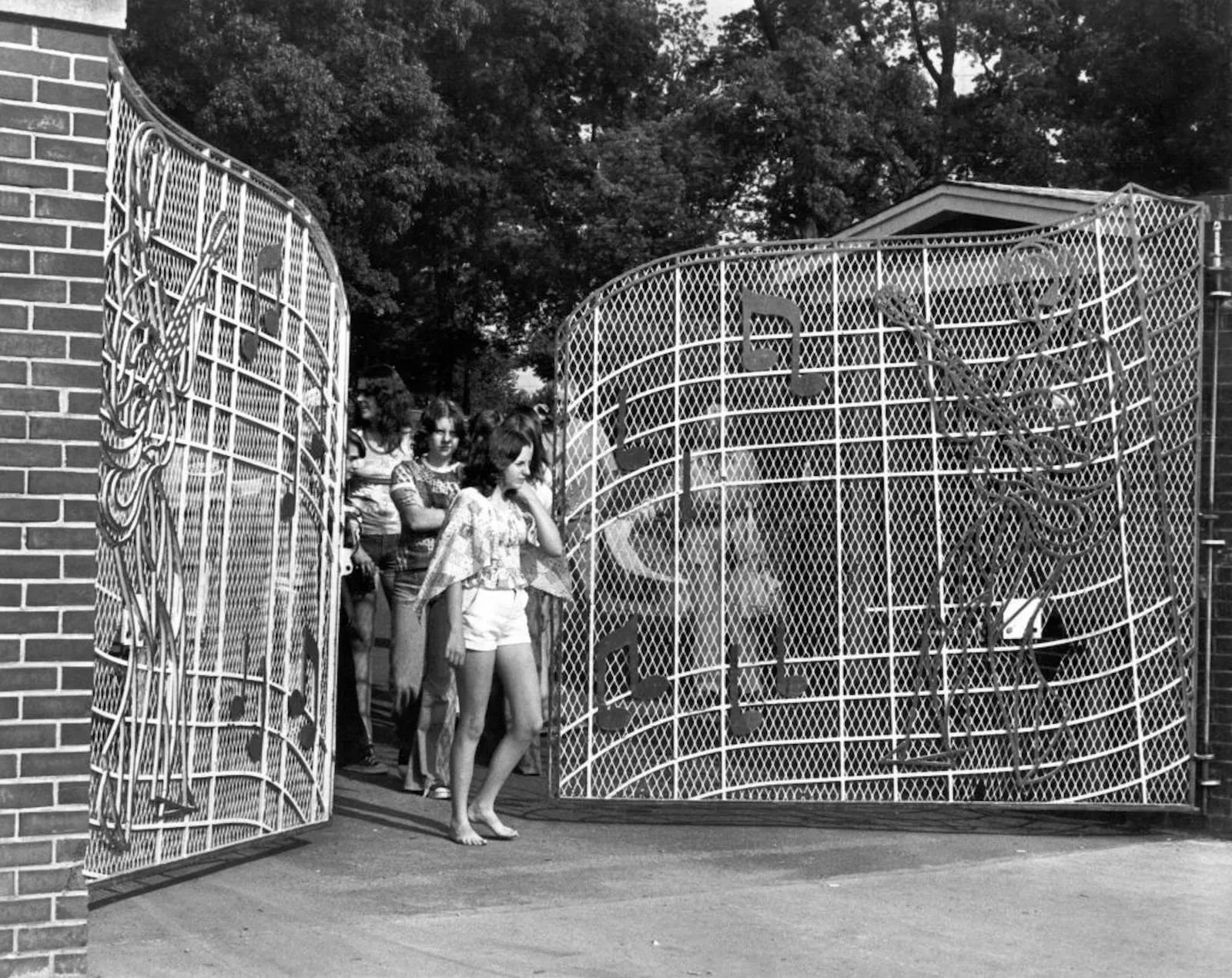
One of the most recognizable features of Graceland is its front gate—designed by Elvis Presley himself in collaboration with Abe Saucer and crafted by John Dillars Jr. of Memphis Doors, Inc.
Originally painted red, the gates were installed shortly after Elvis purchased the property. Ironically, while Elvis initially sought privacy in the quiet Whitehaven neighborhood, the gates quickly became a magnet for fans. Messages, tributes, and signatures began to cover the walls, transforming the entrance into a public canvas of admiration.
This interaction between artist and audience reflects a key characteristic of oldies music culture: a deep emotional connection between performers and their fans.
Inside Graceland: A Bold Expression of Personality
Graceland’s interior design is as legendary as the music created by its owner. After Elvis’s passing in 1977, Priscilla Presley carefully restored the house to reflect its appearance during her time living there, preserving its authenticity for future generations.
Elvis embraced a maximalist aesthetic—favoring rich reds, gold accents, heavy drapery, plush carpets, stained glass, and ornate furniture. His style was unapologetically extravagant, mirroring the dramatic flair found in his performances.
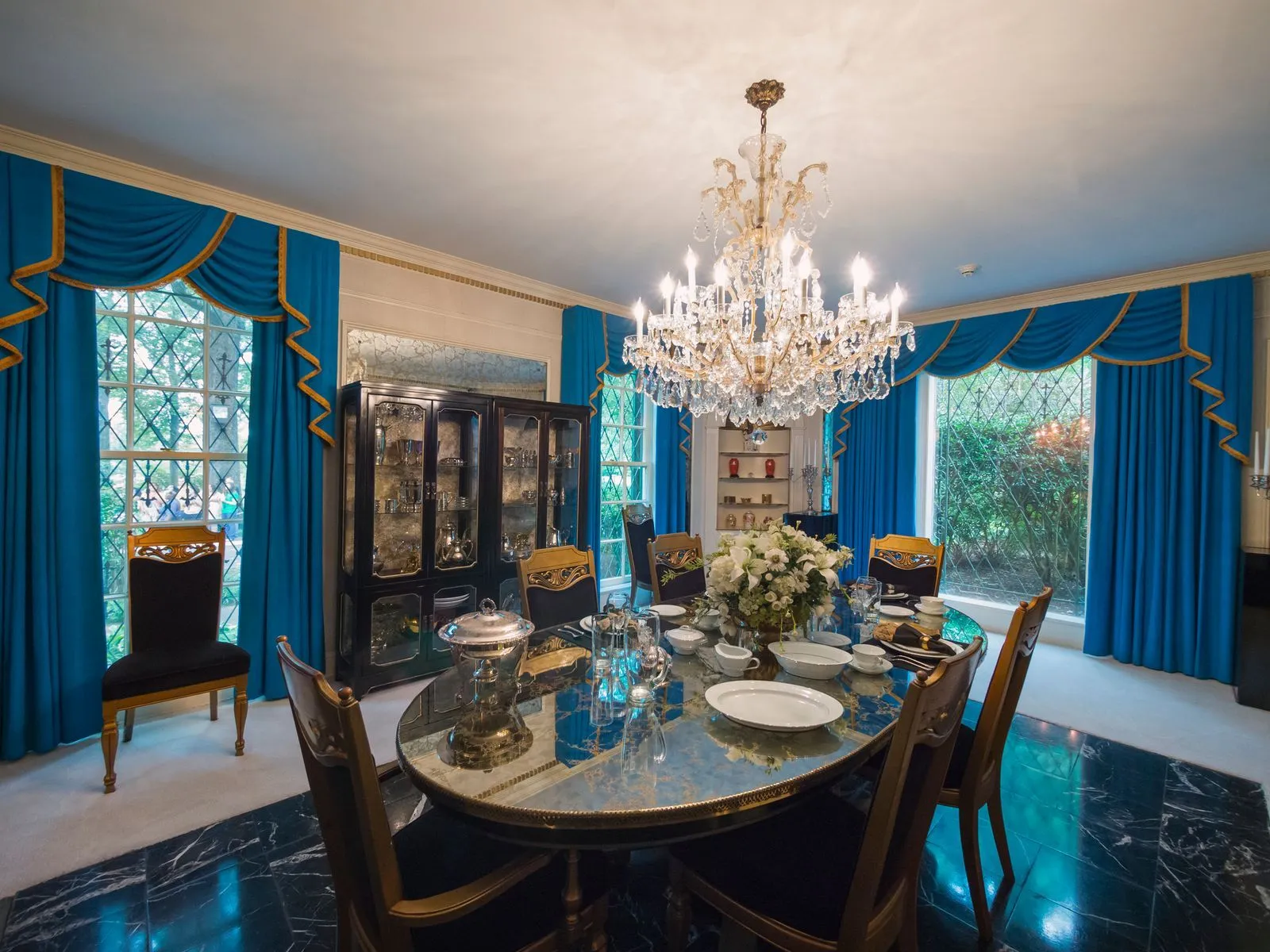
The living room and music room remain central highlights, showcasing both original furnishings and faithful replicas. A black marble dining table and lavish decorative elements illustrate Elvis’s taste for luxury and comfort.
The Futuristic TV Room
One of the most fascinating spaces is the TV room—a futuristic concept for its time. Featuring mirrors on nearly every surface, including the ceiling, and three televisions aligned side-by-side, Elvis could watch multiple channels simultaneously.
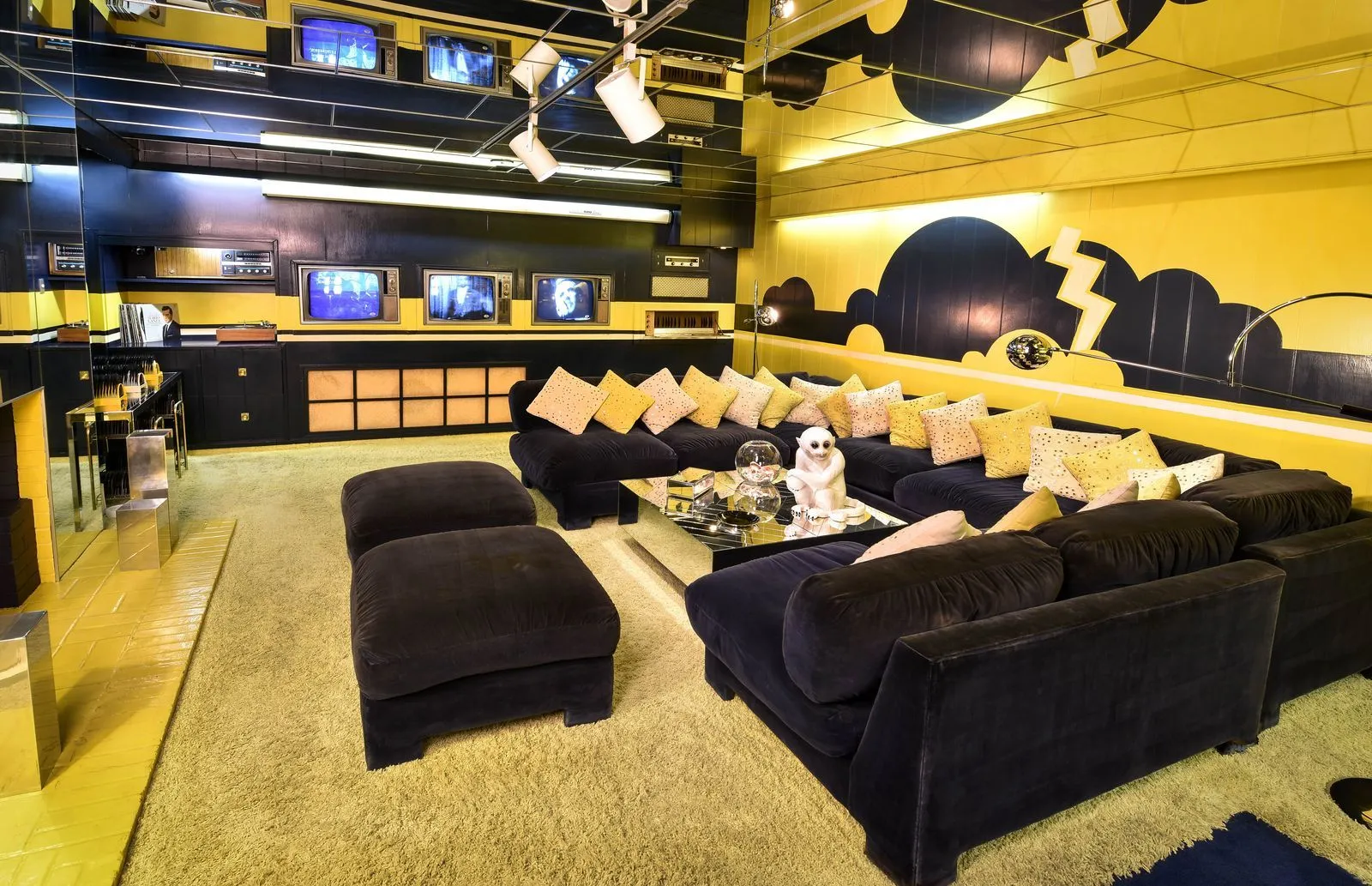
This idea was inspired by a visit to the White House, where Elvis observed a similar setup. It reflects not only his curiosity but also his desire to stay connected to the world—an important trait for artists shaping the direction of popular culture.
The Famous Jungle Room
Perhaps the most iconic room in Graceland is the Jungle Room, a unique tribute to Elvis’s love for Hawaii. Designed with natural stone walls, indoor waterfall features, and Polynesian-inspired furniture, the room stands out as a bold artistic statement.
More than just a decorative space, the Jungle Room also served as a recording studio where Elvis worked on his final album, Moody Blue. This connection between environment and creativity highlights how physical spaces can influence musical production in the oldies era.
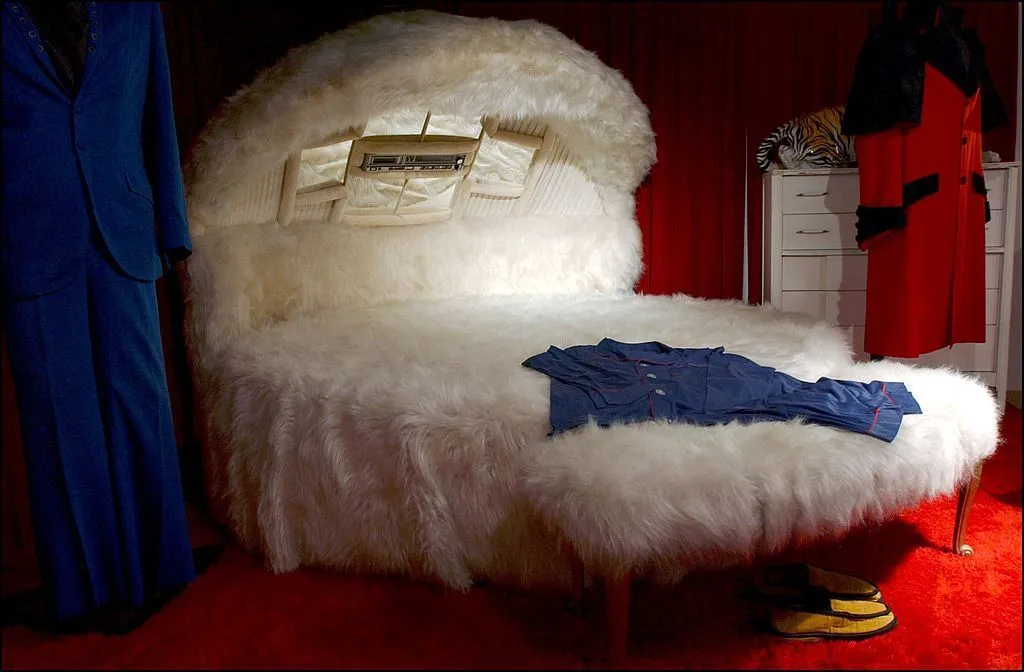 White fur bed purchased by Elvis Presley in the 1970s with built-in radio and television
The Final Chapter: Meditation Garden
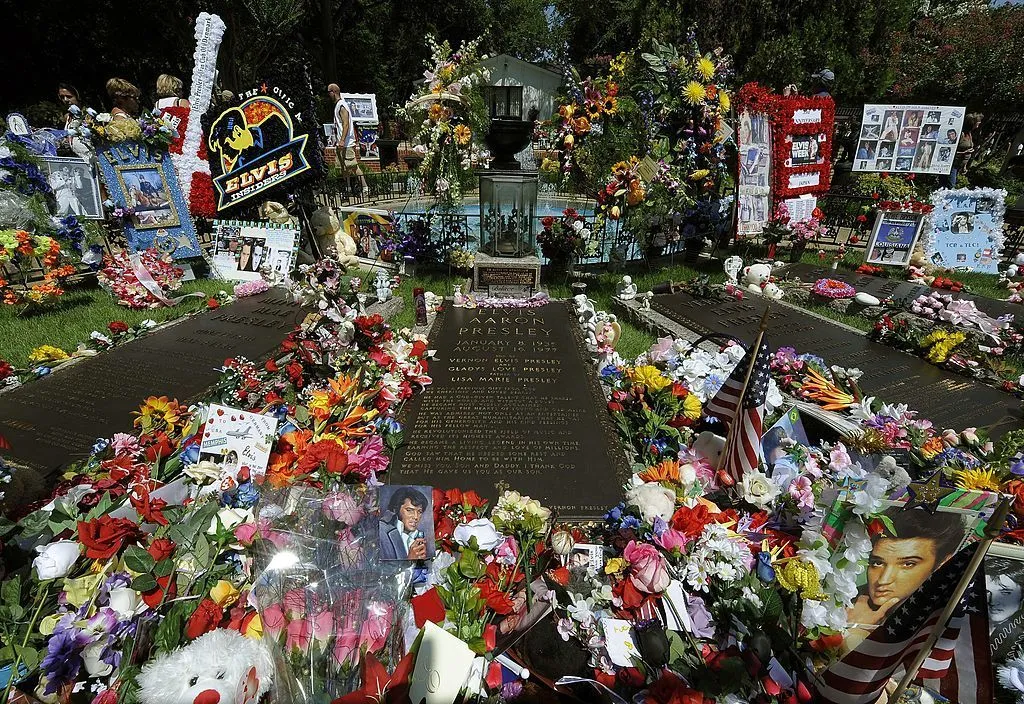
Graceland is also the final resting place of Elvis Presley. Following his sudden death on August 16, 1977, his body was initially buried elsewhere but later տեղափոխed to the Meditation Garden within the estate for security reasons.
This serene space, one of Elvis’s favorite spots, has become a place of reflection for fans worldwide. Each year, thousands gather to pay tribute, demonstrating the lasting emotional impact of his music and persona.
Conclusion
Graceland is far more than a historic home—it is a cultural landmark that embodies the essence of oldies music and the golden era of American entertainment. Through its architecture, décor, and preserved spaces, it tells the story of Elvis Presley not just as a performer, but as a cultural icon whose influence continues to resonate globally.
For those passionate about oldies music, exploring Graceland offers a unique window into the life and legacy of one of history’s greatest artists. Dive deeper into these timeless melodies, and discover how they continue to shape the soundtrack of our lives.
References
- Presley, P. (1985). Elvis and Me. Berkley Books.
- Guralnick, P. (1994). Last Train to Memphis: The Rise of Elvis Presley. Little, Brown and Company.
- Official Graceland Archives. (n.d.). Retrieved from Graceland official records.