
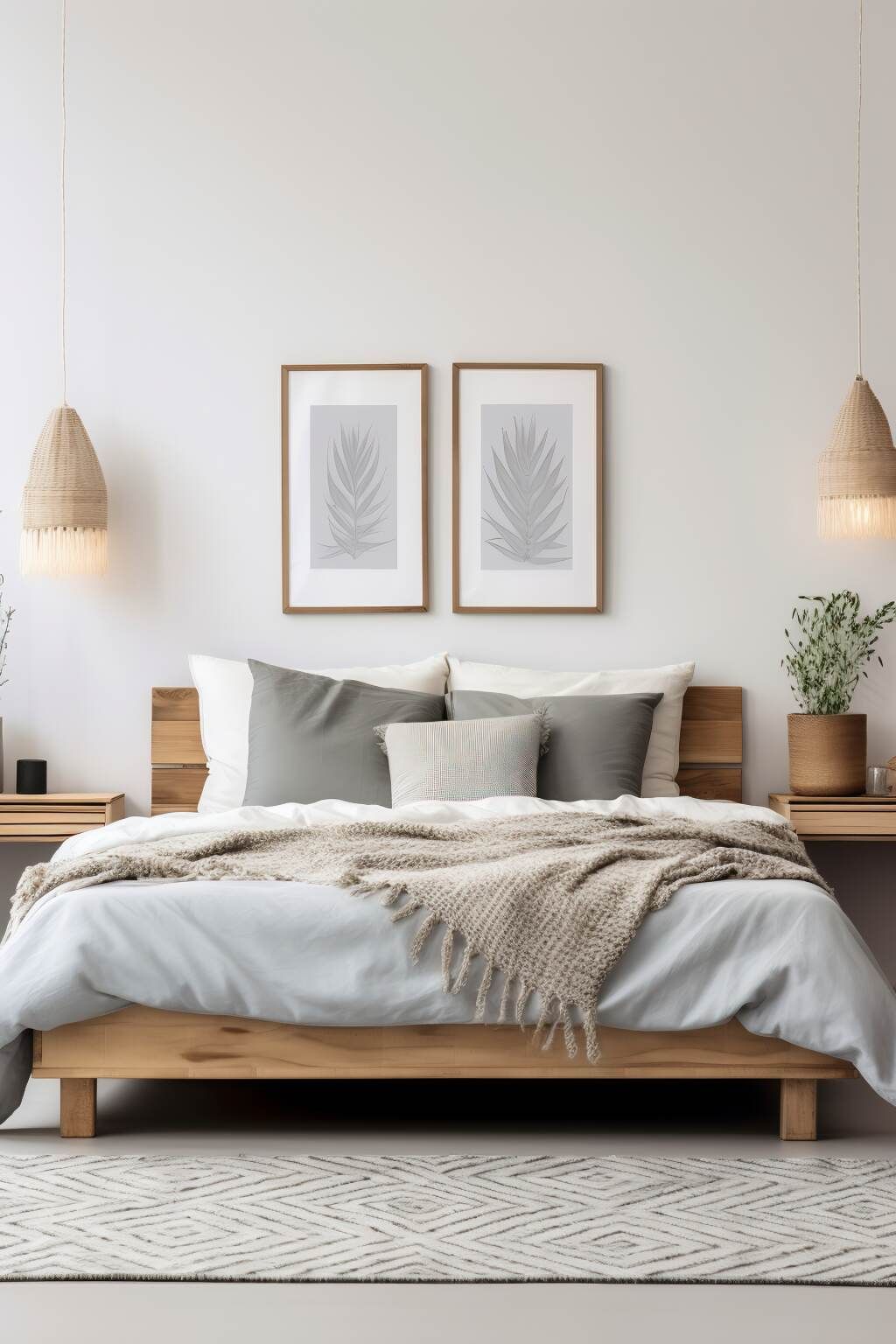
Boho fashion, short for bohemian fashion, is far more than a passing trend; it is a profound lifestyle statement. This free-spirited approach to dressing prioritizes individuality, creative expression, and a deep-rooted connection to the natural world. When you step into the realm of boho style, you are entering a space where fashion serves as a canvas for your artistic soul, moving well beyond the constraints of seasonal fads.
At its core, the bohemian aesthetic is about liberation. It encourages you to break away from conventional sartorial rules in favor of a relaxed, eclectic, and highly personal look. By masterfully mixing textures, vintage finds, and artisanal patterns, the boho enthusiast creates a visual tapestry that is both unique and captivating. Choosing this style means embracing a mindset that values comfort and authenticity, allowing your wardrobe to reflect your inner wanderer.
The Origins and Evolution of Bohemian Style
The history of bohemianism dates back to the 19th century, originally used to describe a marginalized group of artists, writers, and intellectuals who led unconventional, nomadic lives. These early “bohemians” rejected the rigid social norms of the Victorian era, opting instead for clothing that favored comfort and artistic flair over social conformity.
The movement saw a massive resurgence during the 1960s and 1970s counterculture era. This was the birth of the modern “hippie” aesthetic, characterized by flowing fabrics, psychedelic prints, and ethnic-inspired garments. Iconic figures like Janis Joplin and Stevie Nicks became the faces of this movement, cementing the boho look in the annals of fashion history.
Today, boho fashion has entered a sophisticated renaissance. Modern bohemianism integrates contemporary values like sustainability, ethical production, and slow fashion. It remains a style that is constantly evolving, blending its rebellious roots with a polished, modern sensibility that appeals to the conscious consumer.
Key Element #1: Flowy and Relaxed Silhouettes
The hallmark of any boho wardrobe is the emphasis on flowy and relaxed silhouettes. This element is essential for achieving that signature sense of effortless elegance and physical ease. Boho clothing is designed to move with the body, never restricting it.
Essential Boho Silhouettes
- Maxi Dresses: The quintessential boho staple. These floor-length garments often feature billowing skirts that provide a dramatic yet soft aesthetic.
- Peasant Blouses: Often featuring smocking or embroidery, these tops offer a romantic, vintage feel.
- Palazzo Pants: Wide-leg trousers that provide comfort without sacrificing style.
- Kimonos and Kaftans: Perfect for adding a layer of mystery and pattern to any outfit.
Pro Tip: To master the boho silhouette, focus on balance. If you are wearing a voluminous maxi skirt, consider a more structured or tucked-in top to maintain a harmonious shape.
Key Element #2: Natural Fabrics and Earthy Palettes
Bohemian fashion is inherently tied to the earth. This connection is most visible in the selection of materials and the color stories used to create these garments. Prioritizing natural, breathable fabrics is a key component of the E-E-A-T (Experience, Expertise, Authoritativeness, and Trustworthiness) of bohemian styling.
Preferred Fabrics
- Cotton & Linen: Ideal for their breathability and durability.
- Silk: Adds a touch of luxury and movement.
- Wool & Hemp: Essential for eco-conscious layering and texture.
The color palette typically draws from the natural landscape. While you might see occasional pops of turquoise or rich jewel tones, the foundation usually consists of earthy hues:
- Terracotta and Rust Orange
- Olive and Sage Green
- Mustard Yellow
- Deep Burgundy and Dusty Rose
Key Element #3: Advanced Layering Techniques
Mastering the art of layering is what separates a novice from a boho style expert. Layering adds depth, provides visual texture, and makes your outfit functional for various climates.
How to Layer Like a Pro:
- The Base: Start with a simple camisole or a soft cotton tee.
- The Texture: Add a crochet vest, a fringed jacket, or a sheer kimono.
- The Length: Don’t be afraid to mix hemline lengths—pairing a cropped jacket with a sweeping maxi dress creates a dynamic look.
- The Finish: Use a scarf or a statement belt to tie the disparate layers together into a cohesive ensemble.
Key Element #4: Embracing Bold Patterns and Prints
Boho fashion thrives on the “more is more” philosophy regarding prints. From floral and paisley to geometric and tribal designs, patterns are used to tell a story of global travel and artistic appreciation.
To successfully mix prints, look for a common color thread that runs through each piece. For example, a leopard print bag can surprisingly complement a floral dress if both share hints of warm brown or tan. This eclectic approach highlights the wearer’s creativity and confidence.
Key Element #5: Essential Boho Accessories
No bohemian outfit is complete without the right accessories. These final touches provide the “soul” of the look, often featuring handmade or vintage elements.
- Jewelry: Think layered necklaces, stacked silver bangles, and oversized hoops.
- Headwear: Wide-brimmed felt hats and intricately tied headscarves are staples.
- Footwear: Suede ankle boots, gladiator sandals, or embroidered espadrilles.
- Bags: Look for textures like fringe, macramé, or woven straw.
Boho Style Icons and Where to Shop
Looking for inspiration? The following celebrities and influencers have mastered the modern boho aesthetic:
- Sienna Miller: The queen of “Boho-Chic.”
- Zoe Kravitz: For a grittier, modern take on bohemian style.
- Florence Welch: For ethereal, romantic boho inspiration.
For those seeking an authentic wardrobe, avoid “fast fashion” and instead explore vintage shops, artisan markets, and ethical boutiques. Platforms like Etsy are excellent for finding one-of-a-kind handmade jewelry and clothing that truly resonates with the bohemian spirit.
Conclusion: Living the Bohemian Dream
Ultimately, boho fashion is a celebration of your unique journey. It is a rejection of the “cookie-cutter” fashion industry in favor of something more soulful and sustainable. By focusing on flowy silhouettes, natural materials, and personal accessories, you can create a wardrobe that feels as good as it looks.
Embrace your inner free spirit and let your clothing be a reflection of your creative heart. There are no mistakes in boho fashion—only opportunities for self-expression.
Ready to Transform Your Wardrobe?
If you are looking to elevate your style with high-quality, ethically made pieces, consider exploring the curated collections at Morrato Bali. Their stunning range of maxi dresses and boho essentials will help you capture the true essence of the bohemian lifestyle. Visit them today to find your next statement piece!
References
- Wilson, E. (2003). Adorned in Dreams: Fashion and Modernity.
- Vogue Archive: The History of Bohemian Style (1960-1970).
- Sustainable Fashion Journal: The Rise of Ethical Boho Brands.