
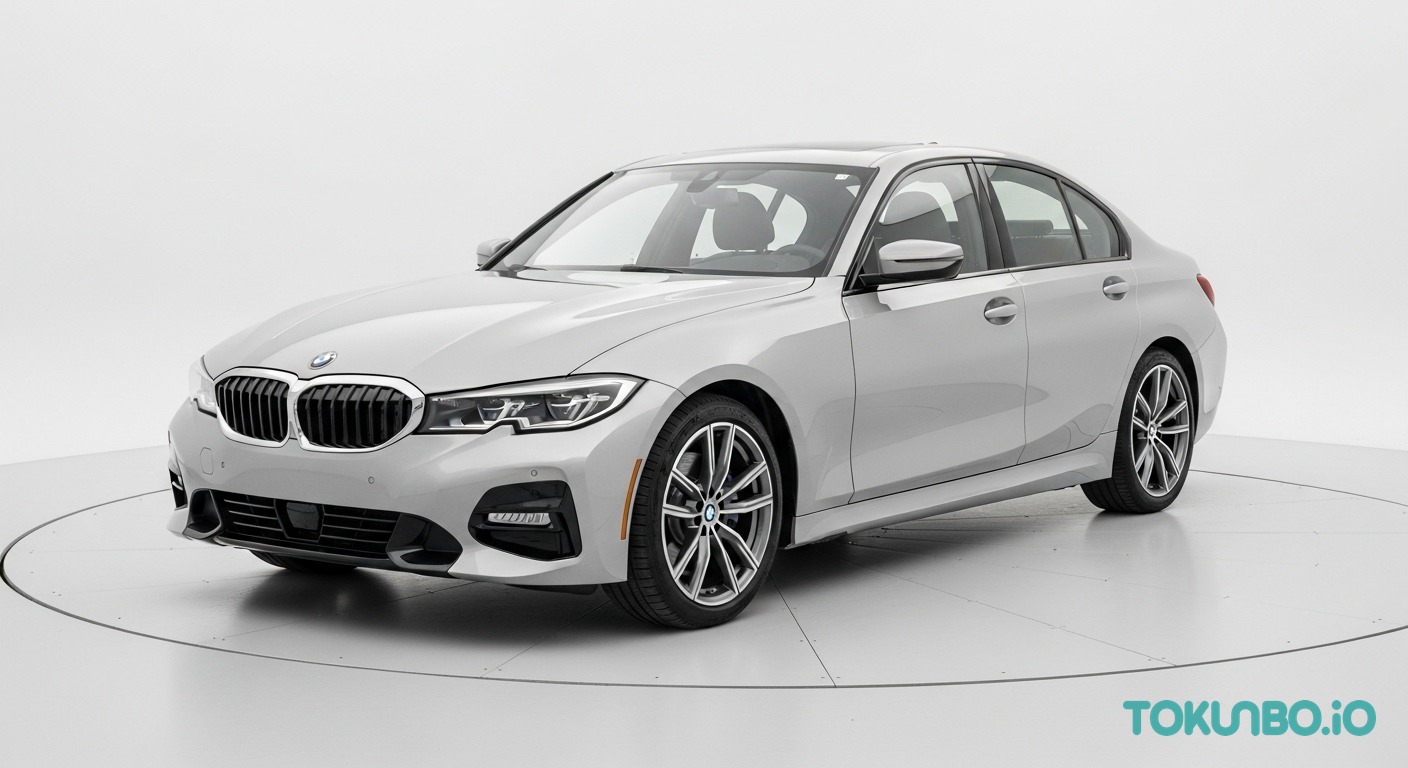
The BMW 3 Series has long been the benchmark for the compact executive sedan segment, blending luxury, driving dynamics, and prestige. For international buyers considering a pre-owned model, understanding the current market landscape is essential. In March 2026, the used BMW 3 Series market shows a dynamic range of prices across model years and trims, offering opportunities for both budget-conscious shoppers and those seeking late-model luxury.
This comprehensive guide provides a detailed breakdown of used BMW 3 Series prices, focusing on models from 2015 to 2025. We will analyze the key factors influencing value, compare different variants like the 320i and 330i, and offer expert advice to help you make an informed purchase. Whether you are a first-time luxury car buyer or a seasoned enthusiast, this market overview is designed to provide the crucial data and insights you need.
Why the BMW 3 Series Remains a Top Choice in the Used Market
The enduring popularity of the BMW 3 Series in the pre-owned market is no accident. It consistently delivers a driving experience that prioritizes the driver, a hallmark of the brand. The rear-wheel-drive architecture (with optional xDrive all-wheel drive in many markets) provides exceptional balance and handling. For many, it is the definitive sports sedan.
When considering a used model, you are not just buying a car; you are investing in a legacy of engineering. However, with this prestige comes the need for careful evaluation. The used market for the 3 Series is vast, with prices varying significantly based on generation, engine, mileage, maintenance history, and local market conditions. This guide aggregates current market data to help you navigate these complexities.
Detailed Used BMW 3 Series Price Breakdown by Model Year (March 2026)
The following table provides a comprehensive overview of the asking prices for used BMW 3 Series models currently on the market. The prices are categorized by model year and specific variant, showing the lowest, average, and highest advertised prices. These figures are based on market listings and serve as a crucial benchmark for your negotiations.
| Model & Variant | Model Year | Lowest Price | Average Price | Highest Price |
|---|---|---|---|---|
| BMW 3 Series 2025 | ||||
| 320i M Sport | 2025 | $62,670 | $62,670 | $62,670 |
| 320i Sport Line | 2025 | $54,820 | $58,430 | $61,530 |
| BMW 3 Series 2024 | ||||
| 330i M Sport | 2024 | $62,710 | $68,230 | $69,800 |
| 320i M Sport | 2024 | $61,960 | $62,200 | $62,710 |
| 320i Sport Line | 2024 | $47,060 | $55,880 | $58,040 |
| BMW 3 Series 2023 | ||||
| 320i M Sport | 2023 | $56,390 | $56,670 | $57,210 |
| 330i M Sport | 2023 | $56,080 | $61,410 | $62,710 |
| 320i Sport Line | 2023 | $50,160 | $51,650 | $53,650 |
| BMW 3 Series 2022 | ||||
| 330i M Sport (Imported) | 2022 | $50,940 | $56,040 | $69,800 |
| 330i M Sport | 2022 | $50,430 | $51,880 | $54,860 |
| 320i M Sport | 2022 | $49,800 | $50,310 | $50,550 |
| 320i Sport Line | 2022 | $45,800 | $46,820 | $47,820 |
| 320i Sport Line (Imported) | 2022 | $44,630 | $45,450 | $46,230 |
| 320i Sport Line Plus (Imported) | 2022 | $41,880 | $41,880 | $41,880 |
| BMW 3 Series 2021 | ||||
| 320i M Sport | 2021 | $46,670 | $46,670 | $46,670 |
| 330i M Sport (Imported) | 2021 | $45,100 | $49,530 | $52,510 |
| 320i Sport Line Plus (Imported) | 2021 | $45,100 | $45,680 | $46,230 |
| 320i Sport Line (Imported) | 2021 | $44,670 | $44,670 | $44,670 |
| 320i Sport Line | 2021 | $39,570 | $39,570 | $39,570 |
| BMW 3 Series 2020 | ||||
| 330i (Imported) | 2020 | $50,510 | $50,510 | $50,510 |
| 330i M Sport (Imported) | 2020 | $45,100 | $45,100 | $45,100 |
| 320i Sport Line Plus (Imported) | 2020 | $44,670 | $44,670 | $44,670 |
| 320i Sport Line (Imported) | 2020 | $42,670 | $42,670 | $42,670 |
Note: Prices are converted to USD for international reference and are intended as a market guide. Actual transaction prices may vary.
Key Factors Influencing Used BMW 3 Series Prices
Several key elements drive the price differences you see across the used BMW 3 Series market. Understanding these will empower you to make a smarter purchase.
1. Model Year and Generation
The most significant factor is the model year. Newer cars, especially those from the current G20 generation (launched in 2019), command a premium. The 2020-2025 models in the table represent this generation, featuring more modern technology, improved interiors, and updated engines. Older models, such as the F30 generation (2012-2019), will generally be available at lower price points, though they are not the focus of this current data set.
2. Trim Level and Variant
The trim level dictates not only the car’s appearance but also its standard equipment and performance.
- Sport Line: Typically the entry-level luxury trim, offering sporty design touches and a focus on style.
- M Sport: This is the most sought-after trim for enthusiasts. It adds the aggressive M aerodynamic kit, larger wheels, sport suspension, and unique interior details (like the M steering wheel). The price premium for an M Sport model is consistently visible across all model years.
- Imported vs. Locally Assembled: In some markets, there is a distinction between locally assembled (CKD) units and fully imported (CBU) ones. The data suggests that imported variants can sometimes have a wider price range, often commanding higher prices for low-mileage, well-optioned examples.
3. Engine Choice: 320i vs. 330i
The engine under the hood is a primary price differentiator.
- 320i: Typically features a 2.0-liter turbocharged 4-cylinder engine. It offers an excellent balance of fuel efficiency and adequate performance for daily driving. It represents the more accessible entry point into the 3 Series lineup.
- 330i: Also uses a 2.0-liter turbocharged 4-cylinder engine but is tuned for significantly more power and torque. The 330i delivers a more exhilarating driving experience and is reflected in its higher average price compared to a 320i of the same year and trim.
4. Condition, Mileage, and Service History
The advertised price is just a starting point. A used BMW 3 Series with a full, verifiable service history from a reputable BMW specialist or dealership will always be worth more than one with gaps in its maintenance record. Lower mileage examples also command a premium. A pre-purchase inspection by a qualified mechanic is highly recommended to assess the car’s actual condition beyond the listing.
Expert Tips for Buying a Used BMW 3 Series
Before you finalize your purchase, keep these expert recommendations in mind to ensure you get the best value and a reliable vehicle.
- Verify the Service History: For a premium vehicle like a BMW, consistent maintenance is non-negotiable. Look for cars with complete records, including oil changes, brake services, and any major repairs. A well-maintained 3 Series can offer years of reliable service, while a neglected one can lead to expensive repairs.
- Get a Pre-Purchase Inspection (PPI): This is the single most important step. A specialized BMW mechanic can identify potential issues with the cooling system, valve cover gaskets, suspension components, and the timing chain—common areas of concern on higher-mileage models. The cost of a PPI is minimal compared to the cost of an unforeseen major repair.
- Negotiate Based on Market Data: Use the price table as a powerful negotiation tool. If a car is priced significantly above the average for its year and variant, you have solid evidence to justify a lower offer. Be realistic; a flawless, low-mileage example will sell for a premium, but you can aim for a fair price within the established range.
- Consider Total Cost of Ownership: The purchase price is only part of the equation. Factor in costs for insurance, fuel (premium gasoline is typically required), and scheduled maintenance. Set aside a contingency budget for unexpected repairs. European luxury cars often have higher parts and labor costs.
- Review the Dealer or Seller Reputation: When buying from a used car dealership or salon (like those listed in the original source), check their reputation. A reputable dealer will often have performed their own inspection and may offer a limited warranty, adding a layer of security to your purchase.
Conclusion
The used BMW 3 Series market in 2026 offers a compelling array of choices for discerning buyers. From the more economical 320i Sport Line to the performance-oriented 330i M Sport, there is a model to suit various budgets and driving preferences. By understanding the detailed price breakdown and the factors that influence value—such as model year, trim, engine, and maintenance history—you are now equipped to navigate the market with confidence.
Remember, finding the right used BMW 3 Series is a balance of data-driven analysis and a thorough physical inspection. Use this guide as your roadmap, conduct your due diligence, and you will be well on your way to enjoying one of the finest sports sedans on the road.
Do you have experience buying a used BMW 3 Series? Share your tips and insights in the comments below to help other buyers in the community.