
Why a Bland Diet is Essential for Your Pet’s Digestive Health
When your dog or cat experiences digestive upset, it can be a stressful time for both you and your pet. Vomiting and diarrhea are the most common signs of gastrointestinal (GI) distress, and while these symptoms are often temporary, they require careful management. A bland diet is frequently recommended by veterinarians as a therapeutic tool to help soothe and rest the digestive tract. This specialized feeding approach allows the stomach and intestines to recover while still providing essential nutrients.
Understanding when and how to implement a bland diet can make a significant difference in your pet’s recovery. Whether the GI upset stems from eating too quickly, consuming spoiled food, a sudden dietary change, or more serious issues like intestinal parasites or viral infections, a properly administered bland diet serves as a crucial first step in treatment. However, it’s important to remember that persistent vomiting or diarrhea can also indicate serious conditions such as intestinal blockages, organ disease, or cancer, which require immediate veterinary attention.
What Exactly is a Bland Diet?
A bland diet is specifically designed to be soft, highly digestible, and gentle on the digestive system. Its nutritional composition is carefully balanced to be low in fiber, fat, and protein while being rich in easily digestible carbohydrates. This combination helps slow down stool production, reduces the frequency of defecation, and allows the gastric system to rest.
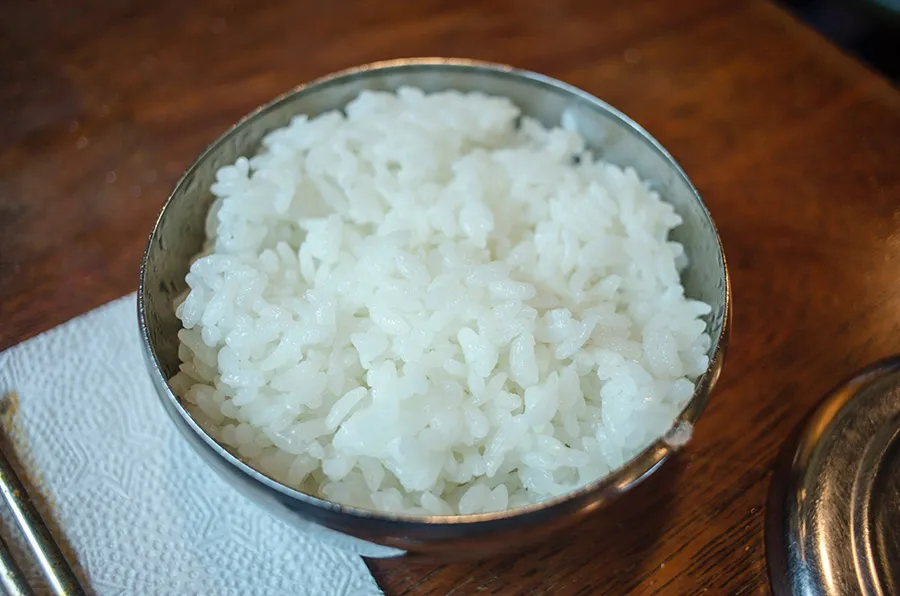
The foundation of most bland diets consists of a single carbohydrate source paired with a single lean protein source. The classic veterinary recommendation is boiled white rice combined with boiled, skinless, boneless chicken breast. This simple combination provides digestible energy without overworking the digestive tract. It’s crucial to understand that bland diets are not nutritionally complete for long-term feeding—they are intended as a short-term therapeutic measure to help your pet recover from acute digestive upset.
Step-by-Step Guide to Feeding a Bland Diet
The Water Trial: Before Introducing Food
If your pet has been vomiting, it’s essential to begin with a water trial before offering any solid food. This approach ensures that the stomach can tolerate fluids before introducing more complex nutrition. After a period of 12-24 hours without vomiting, follow these steps:
- Start by offering a small amount—just a few teaspoons of water or a single ice cube
- Wait at least 30 minutes to observe for any vomiting
- If your pet tolerates this, offer a slightly larger amount
- Continue this process for several hours
- Only when water is consistently tolerated should you introduce the bland diet
Basic Boiled Rice and Chicken Recipe
The most commonly recommended bland diet recipe consists of:
Carbohydrate Source:
- Boiled white rice (1 part rice to 3 parts water, boiled for 20-25 minutes until easily crushed)
Lean Protein Source:
- Boneless, skinless chicken breast (boiled for 10-15 minutes until fully cooked and easily shredded)
Mixing Instructions:
Finely chop the cooked chicken and mix at a ratio of 2 cups of the carbohydrate source to ½ cup of the lean protein source.
Storage Guidelines:
The prepared bland diet can be stored in the refrigerator for up to 48 hours. For convenience, you can prepare larger batches and freeze them in portion sizes appropriate for your pet. Always thaw and warm the food before serving.
Approved Ingredient Substitutions
If your pet has allergies or sensitivities to chicken or rice, your veterinarian may approve these alternatives:
Lean Protein Substitutes:
- Pork loin
- Egg whites
- Low-fat cottage cheese
- 7% low-fat hamburger
- Plain low-fat yogurt
Carbohydrate Substitutes:
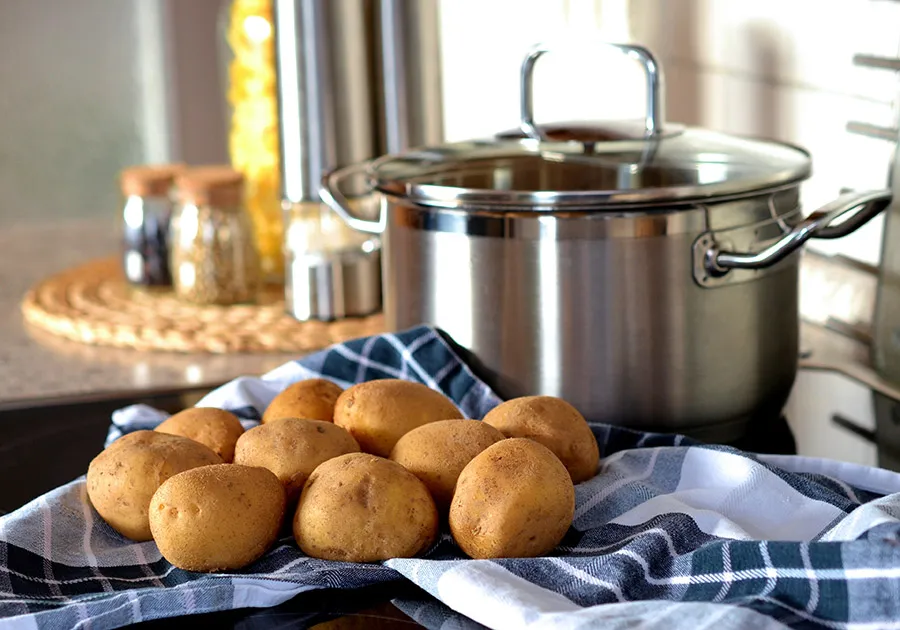
- Boiled white potatoes
- Boiled spaghetti
- White rice (as the primary option)
Commercial Bland Diet Options
For pet owners who prefer to avoid home preparation, several veterinary-approved commercial bland diets are available:
- Hill’s Prescription Diet i/d
- Purina EN
- Royal Canin Gastrointestinal
Proper Feeding Schedule and Portions
Calculating the Right Amount
Estimate approximately 25% of your pet’s normal daily food intake and feed this amount of bland diet every 6-8 hours. Smaller animals require smaller portions, while larger animals need proportionally more while maintaining the same carbohydrate-to-protein ratio.
Sample Feeding Schedule
Day 1:
For every 20 pounds of body weight, feed ⅛ to ¼ cup every 4-6 hours
Days 2-3:
For every 20 pounds of body weight, feed ⅓ to ½ cup every 6-8 hours
Days 4-5:
For every 20 pounds of body weight, feed ¾ to 1 cup every 12 hours
Days 6-8:
Begin transitioning by mixing 50% bland diet with 50% regular diet before fully switching back
Transitioning Back to Regular Food
Never transition your pet back to their regular diet rapidly. A gradual transition over at least one week is essential to prevent relapse of symptoms. Some pets may require an even longer transition period.
Start by mixing 25% of the regular diet with 75% of the bland diet, feeding this combination for 2 days. If stools remain firm, increase the regular diet to 50% while decreasing the bland diet to 50% for another 2 days. Continue this pattern in 25% increments until your pet is eating 100% regular food. Minimize treats for at least one week after completing the transition.
When to Implement a Bland Diet
If your pet shows signs of GI upset, follow these safe guidelines:
- Withhold food for 12-24 hours and contact your veterinarian for specific advice
- Never withhold water—hydration is critical to prevent dehydration
- Wait 2-3 hours after a vomiting episode before offering water, and start with only ¼ cup at a time
- If no vomiting occurs after 1-2 hours, offer additional water in similar small amounts
- Once water is tolerated, introduce the bland diet gradually in small increments
- Offer several small meals daily rather than two large ones—start with 1-2 tablespoons every 2-3 hours
Duration of Bland Diet Feeding
The duration depends on the underlying cause of the digestive upset. Generally, continue feeding the bland diet for at least 3-5 days after vomiting and diarrhea have completely resolved. Once symptoms have stabilized, begin the gradual transition back to regular food as described above.
While bland diets are excellent for digestive recovery, they should not be fed long-term as they lack complete nutrition. The goal is to provide necessary calories and nutrients while allowing the intestinal tract to heal.
Important Safety Considerations
Bland diets are therapeutic but do not address all GI problems. Contact your veterinarian immediately if:
- Vomiting or diarrhea continues or worsens
- You notice blood in the vomit or stool
- Your pet becomes weak or pale
- Signs of dehydration appear
Your veterinarian can monitor hydration status and may recommend additional interventions. While encouraging water intake or offering prescribed electrolyte supplements can help, some pets may require intravenous fluids for proper hydration.
This comprehensive approach to bland diet feeding, when properly implemented under veterinary guidance, provides your pet with the best chance for a smooth recovery from digestive upset while minimizing the risk of complications or recurrence.