
If your dog has been diagnosed with arthritis, you’re likely searching for effective ways to ease their pain and improve their mobility. While medications and joint supplements are common first steps, one of the most powerful and often overlooked solutions is managing your dog’s diet. What and how much your dog eats can dramatically influence their joint health, inflammation levels, and overall quality of life.
Why Weight Management is Critical for Dogs with Arthritis
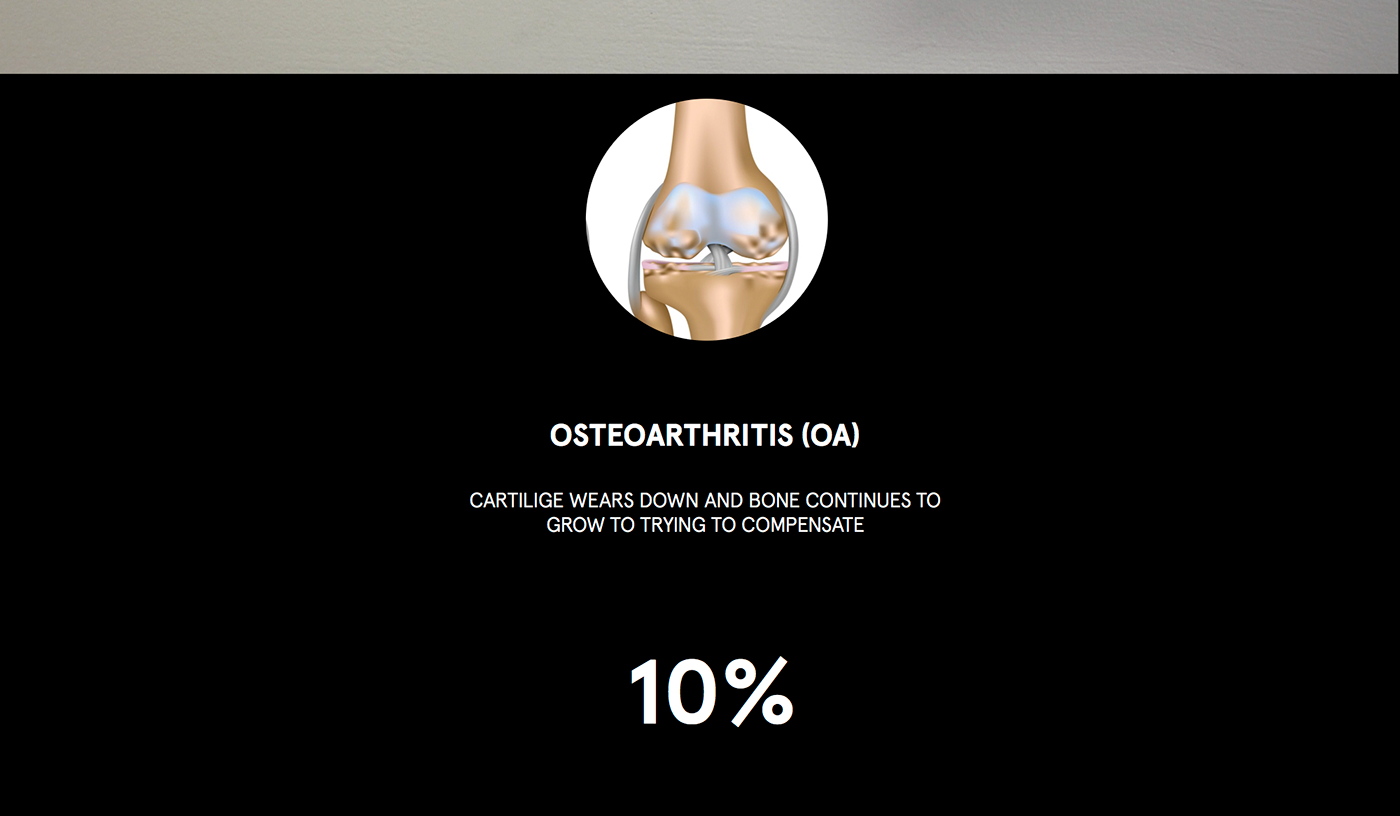
Excess weight is one of the most significant contributors to arthritis progression in dogs. In the United States, an estimated 60% of dogs are overweight or obese, a statistic that directly correlates with the high prevalence of osteoarthritis (OA) pain, which affects roughly 40% of dogs. What many pet owners don’t realize is that excess body fat does more than just add mechanical stress to already painful joints. Fat tissue produces inflammatory substances called adipokines, which can worsen joint inflammation and accelerate cartilage damage.
The encouraging news is that even modest weight loss can produce remarkable results. Studies have shown that losing just 6% to 8% of your dog’s body weight can significantly reduce lameness and enhance quality of life. In some cases, dogs have been able to reduce or even eliminate their need for pain medication after achieving a healthy weight.
As with humans, the principle of “you can’t outrun a bad diet” holds true for dogs. While regular, appropriate exercise is important, the majority of weight loss success comes from caloric restriction. Ensuring your dog eats the right amount and type of food is the most effective strategy for weight management.
Key Nutritional Strategies for Arthritic Dogs
Not all dog foods are equally effective at supporting weight loss and joint health. When selecting a diet for your arthritic dog, consider the following essential factors:
1. High Protein, Low Calorie Formulation
For safe and effective weight loss, your dog needs to consume fewer calories while still meeting their nutritional requirements. A high-protein diet is crucial because it helps maintain lean muscle mass during weight loss, which is essential for supporting weak and painful joints. Look for diets that provide at least 25% protein on a dry matter basis. Interpreting pet food labels can be challenging, so consult your veterinarian to confirm whether a diet meets this recommendation.
2. High Fiber for Satiety
Fiber plays a key role in helping your dog feel full while consuming fewer calories. Many veterinary therapeutic diets designed for weight loss and joint support are enriched with fiber to reduce hunger between meals, making it easier to stick to a calorie-controlled plan.
3. Joint-Supporting Ingredients
Some diets are fortified with ingredients that directly benefit joint health. Omega-3 fatty acids, particularly EPA and DHA from fish oil, are especially beneficial as they help reduce inflammation and may allow dogs to use fewer non-steroidal anti-inflammatory drugs (NSAIDs). If you choose to add fish oil as a supplement, be mindful of the extra calories—there are about 45 calories per teaspoon, and large breed dogs may require several teaspoons daily.
4. Veterinary Therapeutic Diets
For dogs with significant arthritis or excess weight, therapeutic diets such as Hill’s Metabolic + Mobility, Purina OM + JM, or Royal Canin Satiety Support + Mobility are excellent options. These diets are specifically formulated to support both weight loss and joint health, with high levels of omega-3 fatty acids already incorporated, so additional supplementation is typically unnecessary.
5. Fresh Cooked and Alternative Diets
While most research on weight loss and joint health has focused on kibble-based foods, other options like home-cooked meals or commercial fresh-cooked diets can also be effective. Brands such as The Farmer’s Dog and Just Food For Dogs offer veterinary-formulated options. If you prefer a homemade diet, it is essential to work with a veterinary nutritionist to ensure your dog receives all the necessary nutrients for optimal health.
Practical Feeding Tips for Success
Choosing the right food is only half the battle. How you feed your dog is equally important. Implement these strategies to maximize the benefits of your dog’s diet:
- Measure Meals Accurately: Use a standard measuring cup or kitchen scale rather than eyeballing portions. Inaccurate measuring often leads to overfeeding.
- Establish Set Meal Times: Avoid free-feeding. Offer meals at consistent times and remove any uneaten food after 10–15 minutes. For adult dogs, feeding twice daily is generally recommended.
- Use Slow Feeders: If your dog eats too quickly, a slow-feeding bowl or food puzzle can help pace their eating while providing mental enrichment.
- Limit Treats: Treats should constitute no more than 10% of your dog’s daily caloric intake. Opt for low-calorie options like carrots, green beans, or small pieces of lean meat. Alternatively, set aside a portion of their daily kibble to use as treats.
- Watch the Extras: Human food, bones, chews, and supplements can add significant calories. For example, a single marrow bone can contain over 800 calories—more than many dogs should consume in an entire day.
Special Considerations for Puppies and Seniors
Growing Dogs
Proper nutrition during growth is critical for long-term joint health. Puppy food must be complete and balanced to support growth while maintaining proper calcium and phosphorus ratios. Overfeeding, particularly in large breed puppies, can lead to rapid growth and excess weight, increasing the risk of joint problems later in life. Feed puppy food until your dog reaches at least 80% of their expected adult size. For large and giant breeds, continue feeding a large-breed puppy formula until they reach skeletal maturity.
Senior Dogs
Older dogs have higher protein requirements to maintain muscle mass—typically about twice as much as adult dogs. However, many senior dogs have other medical conditions that may necessitate protein restriction. Work closely with your veterinarian to ensure your senior dog’s diet supports both joint health and overall well-being without exceeding caloric needs.
Conclusion
Feeding an arthritic dog involves more than simply selecting a bag of kibble. It requires a thoughtful approach that combines a balanced, high-protein diet with effective weight management and targeted joint-supporting nutrients. By working with your veterinary team to develop a personalized plan, you can harness the power of nutrition to reduce inflammation, manage pain, and improve your dog’s quality of life. Remember, weight management is one of the most effective tools available to help your arthritic dog live comfortably and happily for years to come.
References
- Canine Arthritis Management. (n.d.). Overview of Omega-3 Fatty Acids for OA. Retrieved from https://caninearthritis.org/article/overview-of-omega-3-fatty-acids-for-oa/
- Canine Arthritis Management. (n.d.). Feeding Large & Giant Breed Puppies for Optimal Joint Health. Retrieved from https://caninearthritis.org/article/feeding-large-giant-breed-puppies-for-optimal-joint-health/
- Canine Arthritis Management. (n.d.). Calories in Treats. Retrieved from https://caninearthritis.org/article/calories-in-treats/