
Immersive audio is a critical, yet often overlooked, component of the ultimate gaming experience. Whether you’re a PC enthusiast or a mobile gamer, the right Digital-to-Analog Converter/Amplifier (DAC/amp) can transform subtle sound cues into decisive advantages and breathtaking atmospheric details. This guide delves into some of the best gaming DAC/amps available, evaluating their performance, features, and value to help you find the perfect audio upgrade for your setup. From compact, plug-and-play solutions to powerful, feature-rich units, we’ll explore options that cater to a wide range of needs and budgets.
Understanding Gaming Audio Essentials
The quest for superior gaming audio often leads to external sound cards, commonly known as DAC/amps. These devices offer several advantages over onboard audio, including dedicated volume controls, enhanced audio processing, and crucial microphone inputs. As the saying goes, “gaming audio is just as important as having proper aim,” and investing in a quality DAC/amp ensures you don’t miss critical in-game sounds. We’ve tested a variety of units, from the straightforward Schiit Fulla 3 to more advanced options, using both standard gaming headsets like the Razer BlackShark V2 X and higher-fidelity headphones like the Sennheiser HD 58X to gauge their capabilities.
Featured Gaming DAC/Amps
Schiit Fulla 3: The Simple Starter
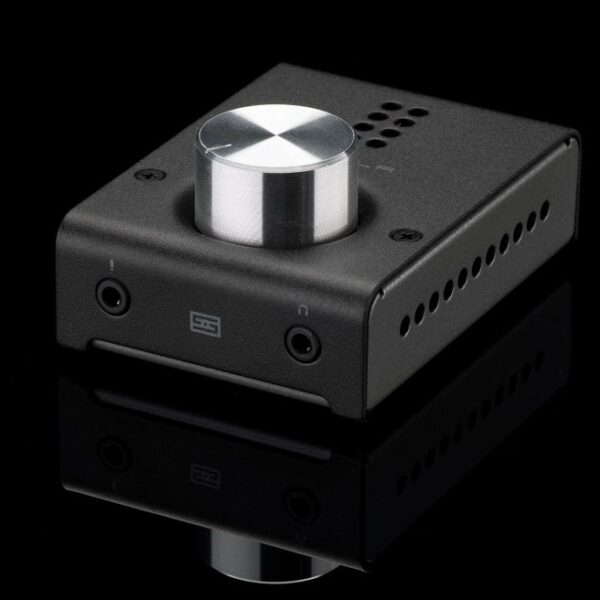
The Schiit Fulla 3 represents a no-frills, driverless plug-and-play solution. Its robust industrial design lacks gamer aesthetics, but features a prominent, easily visible volume wheel. Powered by micro-USB, it’s ideal for minimalist or portable setups. The inclusion of an analog input and a secondary micro-USB port for external power expands its versatility for on-the-go use with mobile devices. Both front-facing headphone and mic inputs are discreetly labeled. The Fulla 3 delivers ample power to drive most gaming headsets and even the Sennheiser HD 58X beyond comfortable listening levels, with a neutral and flat sound signature characterized by well-controlled bass and smooth treble.
Pros:
- Compact and driverless
- Ample power for most gaming headsets
- Neutral and flat sound signature
Cons:
- Volume wheel can be scratchy
- Microphone input may be prone to defects
Fosi Audio DAC-Q4: Customizable Soundscapes
The Fosi Audio DAC-Q4 stands out with its unique bass and treble adjustment knobs. While EQ adjustments aren’t always preferred, these knobs proved beneficial, particularly with the Razer BlackShark V2 X, allowing for a brighter, sharper sound profile without software intervention. The device offers tactile-stepped EQ knobs and a smooth main volume wheel. It supports USB, optical, and RCA inputs, providing flexibility at its price point. A 5V DC power input is required for operation, even when connected via USB. The DAC-Q4 delivers impressive audio performance, driving higher impedance headphones like the HD 58X with ease. The ability to personalize the bass and treble levels offers a great way to tailor sound signatures for different headphones and preferences.
Pros:
- Adjustable bass and treble controls
- Impressive audio performance for the price
- Multiple input options (USB, Optical, RCA)
Cons:
- Can produce a somewhat forward soundstage
- Front I/O can be crowded
- No dedicated microphone input
EPOS GSX 300: Enhanced Spatial Awareness
The EPOS GSX 300 is a compact, angled unit powered via micro-USB, featuring separate audio jacks and an easy-to-handle volume wheel. A front button activates its virtual surround sound, which expands the soundstage effectively without significantly degrading audio quality. This feature is particularly beneficial in games where environmental awareness is key, simulating a larger speaker setup for a more immersive experience. The GSX 300 offers a fuller sound profile, especially in the low-end, compared to some other budget options. However, it lacks the power to drive higher impedance headphones at sufficient volume, requiring maximum output for standard gaming headsets. A potential drawback is software bugs that can affect surround sound recognition and slider functionality.
Pros:
- Effective virtual surround sound
- Angled design for easy access
- Fuller low-end sound signature
Cons:
- Limited power output for higher-end headphones
- Requires software for full functionality, which can be buggy
- Lightweight unit can slide when buttons are pressed
Syba Sonic: Feature-Rich Budget Option
The Syba Sonic gaming amplifier offers surprising performance and features for its ~$40 price point. It’s driverless, powered by mini-USB, and includes digital and RCA outputs, alongside front-facing line-in, mic-in, and both 3.5mm and 6.3mm headphone outputs. Three hardware EQ modes (bass boost, default, treble boost) allow for quick sound adjustments. While the bass boost can be overpowering and the treble boost too harsh, the default mode is generally pleasant. The volume wheel’s resistance can be inconsistent. Despite a less refined sound quality compared to pricier options, its ample power output and ability to enhance audio cues for competitive gaming make it an excellent value proposition.
Pros:
- Excellent value for the price
- Multiple I/O options including a full-size headphone jack
- Hardware EQ modes for quick adjustments
Cons:
- Sound quality is less refined than higher-end units
- Inconsistent volume wheel feel
- EQ modes can be extreme
SoundBlaster X3: Feature-Packed High-End Contender
The SoundBlaster X3 is a feature-rich unit for under $150, offering a warm, powerful amplifier and extensive connectivity options, including Type-C USB, multiple line-out ports, line-in, and optical out. The front offers separated headphone and mic jacks, a volume wheel with tactile steps, and dedicated buttons for mic volume, audio modes, and SXFI surround sound. Its comprehensive software suite provides EQ profiles and personalized surround sound settings, though it can be overwhelming. The X3 boasts fantastic stock stereo imaging and a natural soundstage suitable for gaming and movies. While its surround sound modes are comparable to the GSX 300, they offer a fun way to expand the audio environment. USB connectivity issues on AMD systems have been reported.
Pros:
- Excellent amplifier with warmth and power
- Extensive connectivity options
- Comprehensive software suite
Cons:
- Software can be overwhelming
- Potential USB connectivity issues on AMD systems
- Surround sound can sound unnatural
EPOS GSX 1000: Superior Surround Sound
The EPOS GSX 1000 is a driverless unit with a unique touchscreen interface, highly recommended for its exceptional surround sound capabilities. Its binaural expansion engine creates an expansive audio environment without sacrificing sound quality, making it feel like you’re listening to speakers in a room rather than headphones. This is particularly immersive for open-world games. While it offers similar warm tones to the GSX 300 with a slightly wider soundstage and more amplifier power, both the GSX 300 and GSX 1000 lack the output to adequately drive headphones beyond standard gaming headset impedance.
Pros:
- Industry-leading virtual surround sound for gaming
- Immersive, room-like audio experience
- Intuitive touchscreen interface
Cons:
- Limited power output for high-impedance headphones
- Can be expensive
Schiit Hel: Powerhouse Performance
The Schiit Hel is designed for gamers who prioritize performance and are willing to invest in higher-end headphones. Requiring wall power, it boasts significantly more power than the Fulla 3. Its sleek metal casing with red accents houses a smoother volume wheel, a gain switch, and a dedicated stereo mic input with a gain knob. Being driverless, it offers a straightforward, no-nonsense audio experience. The Hel delivers incredible layering and fantastic bass, though some may prefer a warmer sound signature. It’s an ideal choice for those looking to upgrade beyond traditional gaming headsets and utilize premium headphones.
Pros:
- Significantly more powerful amplifier
- High-quality build and aesthetics
- Stereo microphone input with gain control
Cons:
- Requires external wall power
- No audio passthrough for monitoring microphone levels
Mayflower ARC mk2: Premium Audio Experience
The Mayflower ARC mk2 sits at the pinnacle of this roundup, offering a refined audio experience. It uniquely features a 4-pole headset jack, eliminating the need for separate headphone and mic cables, a significant convenience for gamers. The volume wheel is exceptionally smooth with tactile rubber rings for enhanced grip. While it can operate via USB, an optional power supply is available. The ARC mk2 presents a more pleasant and defined sound compared to the Schiit Hel, with vocals sounding clearer and better layered. Its soundstage is detailed and immersive. The optional bass boost DSP switch can add significant warmth, which may appeal to certain users, especially at lower volumes.
Pros:
- Exceptional audio quality with detailed soundstage
- Convenient 4-pole headset jack
- High-quality build and smooth volume control
Cons:
- Premium price point
- Bass boost may be too much for some
Microphone Quality Comparison
Microphone quality varies significantly across these devices. The Schiit Fulla 3 is highly sensitive, while the EPOS GSX 300 offers a slightly more natural tone with less compression. The Syba Sonic provides impressive mic quality for its price, rivaling the GSX 300. The SoundBlaster X3 stands out with its natural, neutral, and well-compressed microphone input, making it a top choice for communications. The EPOS GSX 1000 offers aggressive noise cancellation but can sound overly processed. The Schiit Hel allows for microphone level control but lacks headphone passthrough for monitoring. The Mayflower ARC mk2 features upgraded preamps but its output level can be lower, requiring software boosting, though its vocal character is excellent and comparable to the X3.
Conclusion
Choosing the right gaming DAC/amp depends on your priorities. For the best overall sound quality, the Fosi Audio DAC-Q4 and Mayflower ARC mk2 are strong contenders, with the latter being more premium. The SoundBlaster X3 excels in microphone quality and offers a balanced, feature-rich experience. If immersive surround sound is paramount, the EPOS GSX 1000 is the top choice. For those seeking raw power for high-end headphones, the Schiit Hel is an excellent option. Simpler, more affordable solutions like the Schiit Fulla 3 and Syba Sonic offer good entry points, with the Syba Sonic providing a surprising array of features for its cost.
We hope this comprehensive review helps you navigate the world of gaming DAC/amps and find the perfect audio companion for your PC or mobile gaming adventures. For more insights into audio quality and gaming gear, be sure to explore our other articles and resources.