
If your dog is constantly scratching, licking paws, rubbing the face on the carpet, or developing recurring ear infections, allergies may be the cause. Finding the right allergy medicine for dogs can make a dramatic difference in your pet’s comfort, sleep, and overall quality of life. Today, veterinarians have far more treatment options than in the past, including advanced therapies such as Apoquel® and Cytopoint® alongside supportive care strategies.
Dog allergies are extremely common and can affect pets of all breeds and ages. Some dogs experience mild seasonal itching, while others suffer from chronic skin inflammation, hair loss, and repeated infections. Understanding the cause of your dog’s allergies is the first step toward effective treatment and long-term relief.
Common Types of Allergies in Dogs
Dogs generally develop allergies in three major categories:
- Environmental allergies
- Food allergies
- Flea allergies
Environmental allergies are often triggered by pollen, mold, grass, weeds, or dust mites. Symptoms may appear seasonally or continue year-round depending on the allergen exposure.
Food allergies occur when a dog’s immune system reacts negatively to ingredients such as beef, chicken, dairy, wheat, or lamb. Unlike digestive sensitivities, food allergies typically show up as skin problems and itching.
Flea allergy dermatitis develops when dogs react to flea saliva. Even a single flea bite can trigger intense itching in sensitive dogs.

Many dogs suffer from more than one type of allergy at the same time. This is why veterinarians often combine medications, diet management, and skin care routines to control symptoms effectively.
Signs Your Dog May Need Allergy Treatment
The symptoms of canine allergies often look very similar regardless of the underlying cause. Common warning signs include:
- Constant scratching or chewing
- Red or inflamed skin
- Frequent ear infections
- Paw licking and chewing
- Hair loss
- Hot spots
- Face rubbing
- Recurrent bacterial or yeast infections
- Tail base irritation
- Occasional vomiting or diarrhea in food allergy cases
Dogs with moderate to severe allergies may spend most of the day scratching or licking themselves. Over time, this damages the skin barrier and increases the risk of infections.

If your dog shows these symptoms regularly, a veterinary examination is essential. Chronic itching is not normal and should never be ignored.
How Veterinarians Diagnose Dog Allergies
There is no single quick test that confirms allergies in dogs. Instead, veterinarians rely on a combination of medical history, physical examination, symptom patterns, and response to treatment.
Your vet may ask:
- What food your dog eats
- Which flea preventatives are used
- When symptoms started
- Whether itching worsens during certain seasons
- Which body areas are affected most
Skin and ear examinations are especially important because allergic dogs commonly develop secondary infections.
For food allergies, vets often recommend an elimination diet trial lasting 6 to 12 weeks. Environmental allergy testing may help identify triggers if immunotherapy is being considered.
Best Allergy Medicine for Dogs
Modern veterinary medicine offers several highly effective allergy treatments for dogs. Each option has unique benefits and potential drawbacks.
Antihistamines for Mild Dog Allergies
Antihistamines such as Benadryl® and Zyrtec® are often used for mild environmental allergies. They work by blocking histamine release during allergic reactions.
Benefits include:
- Widely available
- Inexpensive
- Generally safe
- Helpful for mild seasonal allergies
However, antihistamines are usually less effective for severe itching once symptoms are already active.
Owners should never give combination cold medications containing decongestants because ingredients like pseudoephedrine can be dangerous for dogs.
Apoquel for Fast Itch Relief
Apoquel® (oclacitinib) is one of the most commonly prescribed allergy medications for dogs today. It works by blocking itch and inflammation signals within the immune system.
Veterinarians favor Apoquel because:
- It works quickly
- Controls itching effectively
- Has fewer side effects than steroids
- Can be used long term in many dogs
Most dogs improve within days after starting treatment.
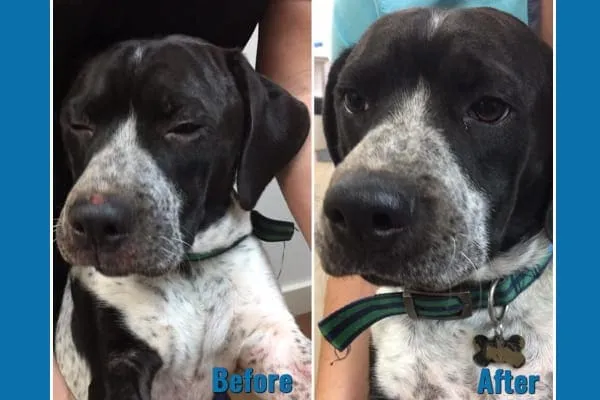
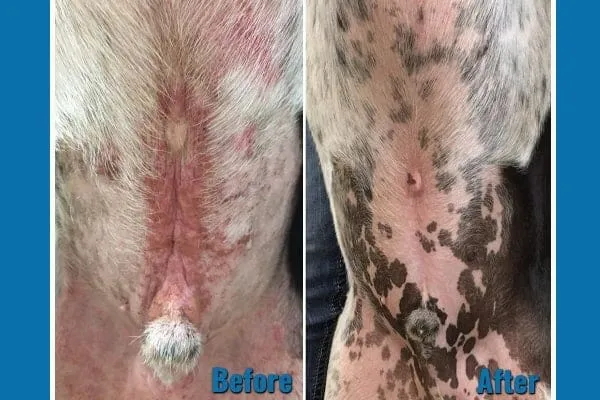 Healthier dog skin after allergy medication and infection treatment
Possible side effects may include vomiting, diarrhea, or mild immune suppression. Dogs with cancer histories should be carefully evaluated before starting Apoquel.
Cytopoint Injections for Dogs
Cytopoint® is an injectable allergy treatment designed specifically for dogs with environmental allergies. It targets itch signals directly and can provide relief for four to eight weeks.
Benefits of Cytopoint include:
- Fast itch relief
- Minimal drug interactions
- Safe for many senior dogs
- Convenient monthly injections
- Useful for dogs that refuse pills
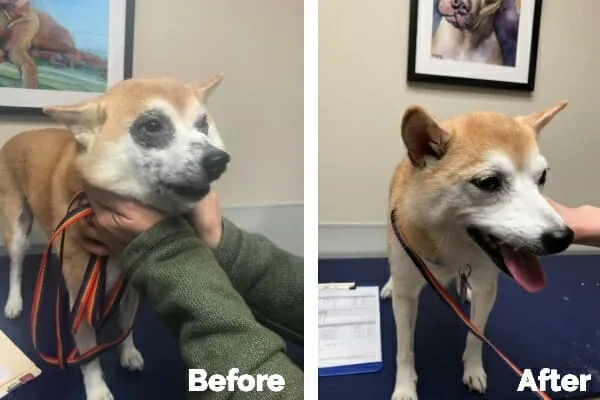
While Cytopoint works extremely well for itching, it may not reduce inflammation as effectively as steroids or Apoquel.
Steroids for Severe Allergy Flare-Ups
Steroids like prednisone remain powerful tools for short-term allergy relief. They rapidly reduce inflammation and severe itching.
Benefits include:
- Fast symptom control
- Strong anti-inflammatory effects
- Low initial cost
However, long-term steroid use can lead to significant side effects such as:
- Excessive thirst
- Increased urination
- Weight gain
- Panting
- Muscle loss
- Increased infection risk
 Beagle drinking excessive water while receiving steroid allergy treatment
Because of these risks, most veterinarians avoid relying on steroids for chronic allergy management whenever possible.
Food Trials for Food Allergies
Food allergies require a completely different treatment approach. Medication alone cannot solve the problem if the allergen remains in the diet.
Veterinarians typically recommend:
- Hydrolyzed protein diets
- Novel protein diets
- Strict elimination trials
- Prescription veterinary foods
Food trials usually last 6 to 12 weeks with absolutely no treats or table scraps allowed.

Consistency is critical. Even small amounts of allergenic food can ruin the trial results.
Allergy Shots and Immunotherapy
Immunotherapy, commonly called allergy shots, is considered the gold standard for environmental allergies in dogs. These treatments gradually retrain the immune system to tolerate allergens.
Benefits include:
- Targets the underlying allergy cause
- Reduces long-term medication needs
- Customized for each dog
- Low risk of severe side effects
The downside is that improvement may take several months, and some dogs still require additional medications during flare-ups.
Supportive Therapies for Allergic Dogs
In addition to medications, supportive care can significantly improve skin health and reduce itching.
Helpful strategies include:
- Weekly medicated baths
- Frequent washing of bedding
- Routine vacuuming
- Year-round flea prevention
- Omega-3 fatty acid supplements
- Paw wiping after outdoor walks
- Skin barrier repair products
 Golden Retriever receiving medicated bath to reduce allergens on the skin
These approaches work best when combined with veterinary-prescribed allergy treatments.
Choosing the Right Allergy Treatment for Your Dog
No single allergy medicine for dogs works perfectly for every pet. Some dogs respond best to Apoquel, while others improve dramatically with Cytopoint, diet changes, or immunotherapy.
Factors veterinarians consider include:
- Age
- Severity of symptoms
- Existing medical conditions
- Cancer history
- Budget
- Ease of administration
- Seasonal versus year-round allergies
Because allergies often change over time, treatment plans may also need adjustment as your dog ages or symptoms evolve.
Final Thoughts on Managing Dog Allergies
Living with an itchy dog can be frustrating for both pets and owners, but effective treatments are available. Modern allergy medicine for dogs has advanced significantly, offering safer and more targeted options than ever before.
Early intervention is important because untreated allergies can lead to chronic skin infections, discomfort, and reduced quality of life. If your dog is scratching excessively, licking paws, or suffering recurring ear infections, schedule a veterinary visit promptly.
With the right combination of medication, nutrition, skin care, and preventive strategies, most allergic dogs can enjoy a far more comfortable and happy life.
References
- American College of Veterinary Dermatology (ACVD)
- Merck Veterinary Manual
- Zoetis Veterinary Resources
- FDA Veterinary Medicine Reports
- World Small Animal Veterinary Association (WSAVA)
- Veterinary Information Network (VIN)