
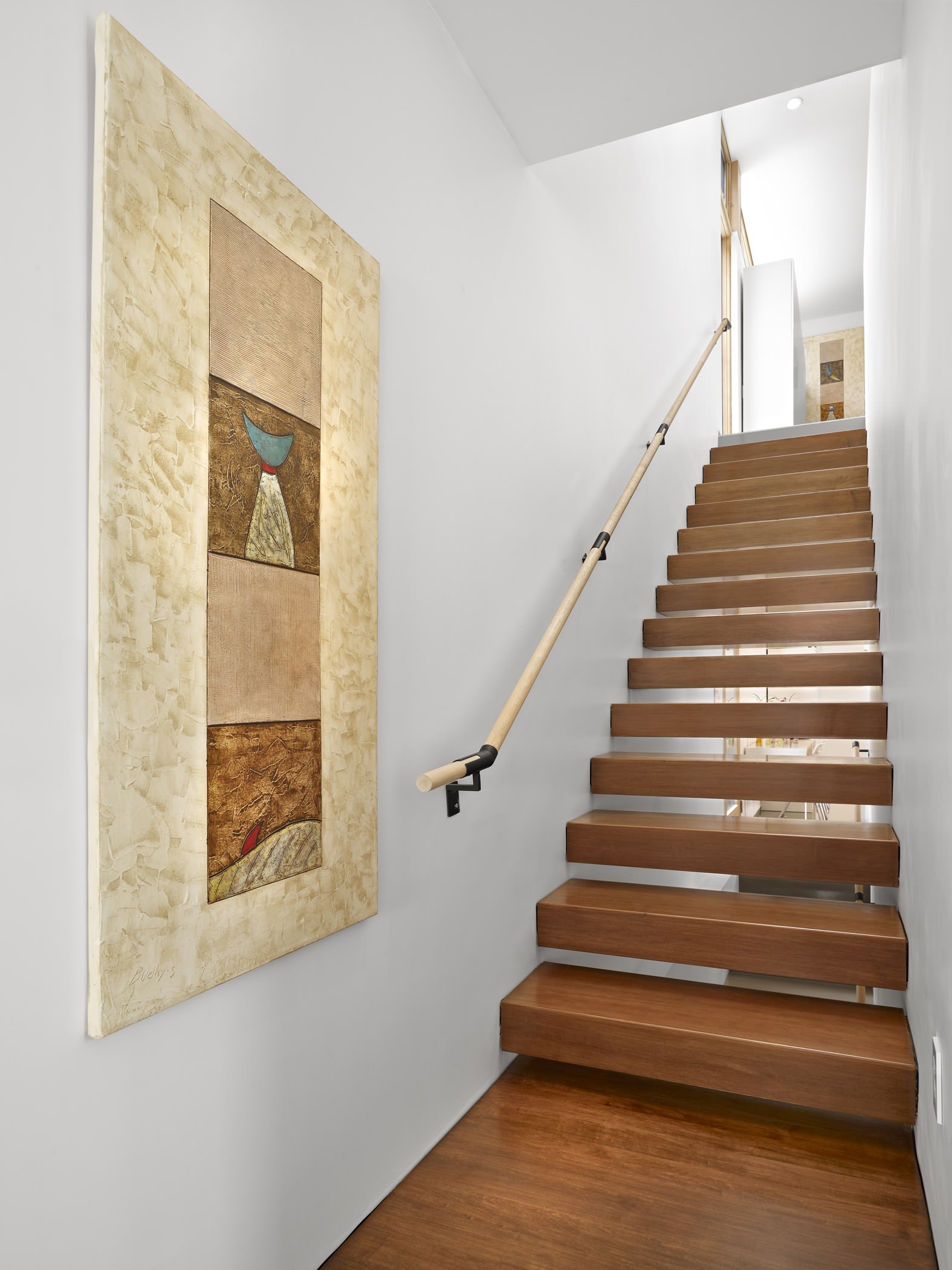
Stairs are a fundamental element in any multi-level building, serving as a crucial link between floors. Beyond their functional necessity, stairs can also be significant architectural features, adding aesthetic value and defining the character of a space. This guide delves into the intricate world of stair building, exploring design principles, construction techniques, and the paramount importance of safety in creating functional and beautiful staircases. Whether you’re a seasoned builder, an aspiring architect, or a homeowner planning a renovation, understanding the core aspects of stair construction is essential.
Understanding Stair Terminology and Components
Before embarking on stair construction, it’s vital to familiarize oneself with the key terminology and components that constitute a staircase. This foundational knowledge ensures clear communication and precise execution during the design and building process.
- Tread: The horizontal surface of a stair on which a person steps.
- Riser: The vertical portion between two treads. Some stair designs may omit risers for an open-riser effect.
- Nosing: The projecting edge of a tread beyond the riser.
- Winder: A stair tread that is narrower on one side than the other, used to change the direction of the stair without a landing.
- Landing: A flat platform between flights of stairs, used for rest or to change direction.
- Stringer (or Stringboard): The structural member that supports the treads and risers.
- Balustrade: The system of posts (balusters) and handrails that lines a staircase, providing safety and support.
- Handrail: The rail supported by balusters or brackets, along which one grasps for support.
- Newel Post: A large central post that terminates the end of a handrail.
- Rise: The vertical distance between the top of one tread and the top of the next tread.
- Run: The horizontal distance of a single tread.
- Total Rise: The total vertical distance from the lower floor to the upper floor.
- Total Run: The total horizontal distance covered by the staircase.
- Slope (or Pitch): The angle of the stair, determined by the ratio of rise to run.
Designing for Functionality and Aesthetics
The design of a staircase is a delicate balance between practical considerations and visual appeal. Several factors influence the design, including the available space, building codes, intended use, and the overall architectural style of the building.
Stair Types
Various stair configurations exist, each suited to different spatial constraints and design intentions:
- Straight Stairs: The simplest design, running in a single direction without any turns.
- L-Shaped Stairs: Features a single landing at a 90-degree turn.
- U-Shaped Stairs: Includes a landing or winders at a 180-degree turn.
- Winder Stairs: Incorporates wedge-shaped treads to change direction, often used in tighter spaces.
- Spiral Stairs: A circular staircase where treads radiate from a central pole.
- Curved Stairs: Features a gradual, sweeping curve, offering an elegant aesthetic.
- Bifurcated Stairs: A grand design that splits into two narrower flights on either side of a central landing.
Ergonomics and Comfort
A well-designed staircase should be comfortable and easy to navigate. Building codes often specify ideal dimensions for rise and run to ensure safety and comfort. A common guideline is that the sum of two riser heights plus one tread run should be between 24 and 25 inches, and the sum of one riser height plus one tread run should be between 17 and 18 inches. This ensures a consistent and natural stride.
Material Selection
The choice of materials significantly impacts the staircase’s durability, safety, and aesthetic. Common materials include:
- Wood: Versatile, warm, and can be stained or painted to match any décor. Oak, maple, and cherry are popular choices for treads and risers.
- Metal: Durable and modern, often used for stringers, balusters, and even treads. Wrought iron and stainless steel are common.
- Stone: Provides a luxurious and durable finish, suitable for grand staircases. Granite, marble, and slate are often used.
- Concrete: Robust and can be cast into various shapes, often used in commercial or modern residential designs.
- Glass: Used for balustrades or treads to create a light and airy feel.
Construction Process and Safety Considerations
Building a staircase requires precision and adherence to safety standards. From accurate measurements to secure fastenings, every step is critical.
Measuring and Layout
Accurate measurement of the total rise and the available floor space is the first critical step. This information dictates the number of steps, the dimensions of each tread and riser, and the overall slope of the staircase. Using a stringer board, the rise and run for each step are marked out precisely.
Cutting and Assembling Components
Once the layout is complete, the stringers are cut. The treads and risers are then cut to size. Stringers are typically attached to the floor joists or walls, ensuring they are level and plumb. Risers are usually attached to the front of the stringers, followed by the treads. Secure fastening with screws and appropriate adhesives is crucial for structural integrity.
Installing Balustrades and Handrails
The balustrade system, including newel posts, balusters, and handrails, is installed after the main structure of the stairs is complete. Newel posts are securely anchored, and handrails are attached at a consistent height, typically between 34 and 38 inches above the nosing of the treads. The spacing between balusters must comply with building codes to prevent small children from falling through.
Safety Standards and Building Codes
Adherence to local building codes is non-negotiable in stair construction. These codes address:
- Minimum tread depth and maximum riser height.
- Minimum headroom clearance (usually 6 feet 8 inches).
- Maximum allowable slope.
- Maximum spacing for balusters.
- Handrail grip diameter and continuity.
- Requirements for landings.
Ensuring these standards are met is paramount for preventing accidents and ensuring the longevity and safety of the staircase.
Maintenance and Longevity
Regular maintenance ensures the continued safety and aesthetic appeal of your staircase.
- Regular Cleaning: Keep treads and risers free from dust, debris, and spills.
- Inspect for Wear: Periodically check for loose treads, risers, or balusters, and address any signs of wear or damage promptly.
- Refinishing: Wood stairs may require refinishing over time to maintain their appearance and protect the wood.
- Handrail Integrity: Ensure handrails remain secure and free from splinters or damage.
Conclusion
Building a staircase is a complex undertaking that demands careful planning, precise execution, and a steadfast commitment to safety. By understanding the fundamental principles of design, terminology, material selection, and construction, you can create staircases that are not only functional and safe but also enhance the architectural beauty of any space. Always consult local building codes and consider professional guidance for optimal results.