
Ask any MOPAR enthusiast to describe their dream car, and the answer will almost certainly involve a pristine example of a beloved Chrysler product with a near-zero odometer reading and a 426 Hemi rumbling under the hood. That fantasy became reality with the car featured here: a Hemi-powered 1970 Plymouth Superbird that, at the time it was photographed, had covered a mere 97 miles since rolling off the assembly line.
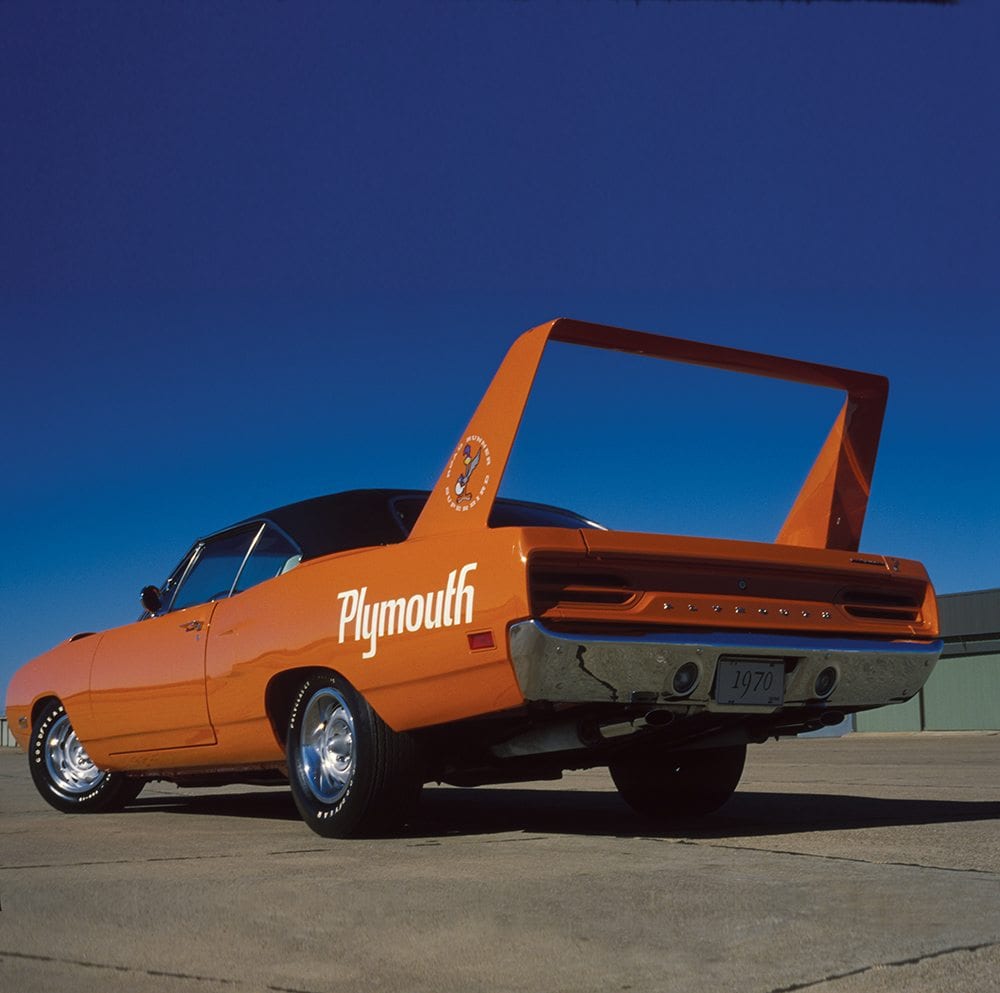
The Plymouth Superbird wasn’t born from styling whims. It was engineered for one purpose: winning NASCAR races during the era of factory-backed stock car racing. Built on the humble Road Runner platform, the Superbird even carried its own horn that mimicked the “beep-beep” of the Warner Brothers cartoon character, complete with matching insignia decals on the wing supports and nosecone—a licensing arrangement that required Chrysler to pay Warner Brothers royalties for the likeness.
By the late 1960s, Ford’s Torino and Mercury’s Cyclone, both sleek fastbacks, were beating Chrysler products to the checkered flag far too often. Legendary driver Richard Petty, who had spent years behind the wheel of Plymouths, even defected to the faster Torino for the 1969 season. Something had to change.
Aerodynamics as the Answer
Chrysler’s engineers determined that a new, more powerful engine would be too expensive to develop with no guarantee of success. Instead, they turned to the wind tunnel. The all-new 1968 Charger, with its deeply recessed grille and tunneled backlight, suffered from excessive turbulence, front-end lift, and drag. The 1969 Charger 500, featuring a flush Coronet grille and a fastback roofline, addressed some of those issues, but Ford and Mercury simply made their own cars even slicker that same year with the Torino Talladega and Cyclone Spoiler.
Chrysler’s answer was the 1969 Dodge Charger Daytona, developed too late in the season to make much of a competitive dent but proving the aerodynamic concept worked. For 1970, Plymouth applied the same wind-tunnel philosophy to the Road Runner, creating the Superbird in time to qualify for NASCAR competition. The results were dramatic—Superbirds and their Dodge Daytona siblings dominated the tracks throughout the 1970 season, and Petty returned to the Plymouth fold.
NASCAR officials, wary of the increasingly extreme machinery being built purely for homologation, tightened the rules. Where 500 units had previously satisfied production requirements, the sanctioning body now demanded that every Plymouth dealership have at least one Superbird available for sale—pushing total production to nearly 2,000 units. Chrysler complied without hesitation.
A Car Nobody Wanted
Ironically, the wild wing and towering nosecone that made the Superbird a NASCAR terror also made it a tough sell on dealer lots. Many Superbirds sat unsold for months, sometimes over a year. One story passed down involves a Hemi, four-speed Superbird that a dealer was so desperate to move he ordered a salesman to drive it daily until it sold. When a customer finally showed interest, he wanted only the engine—not the car. The salesman eventually convinced his boss to sell the Hemi separately, after which the dealer reported the engine “stolen” to collect an insurance claim. Problem solved, MOPAR style.
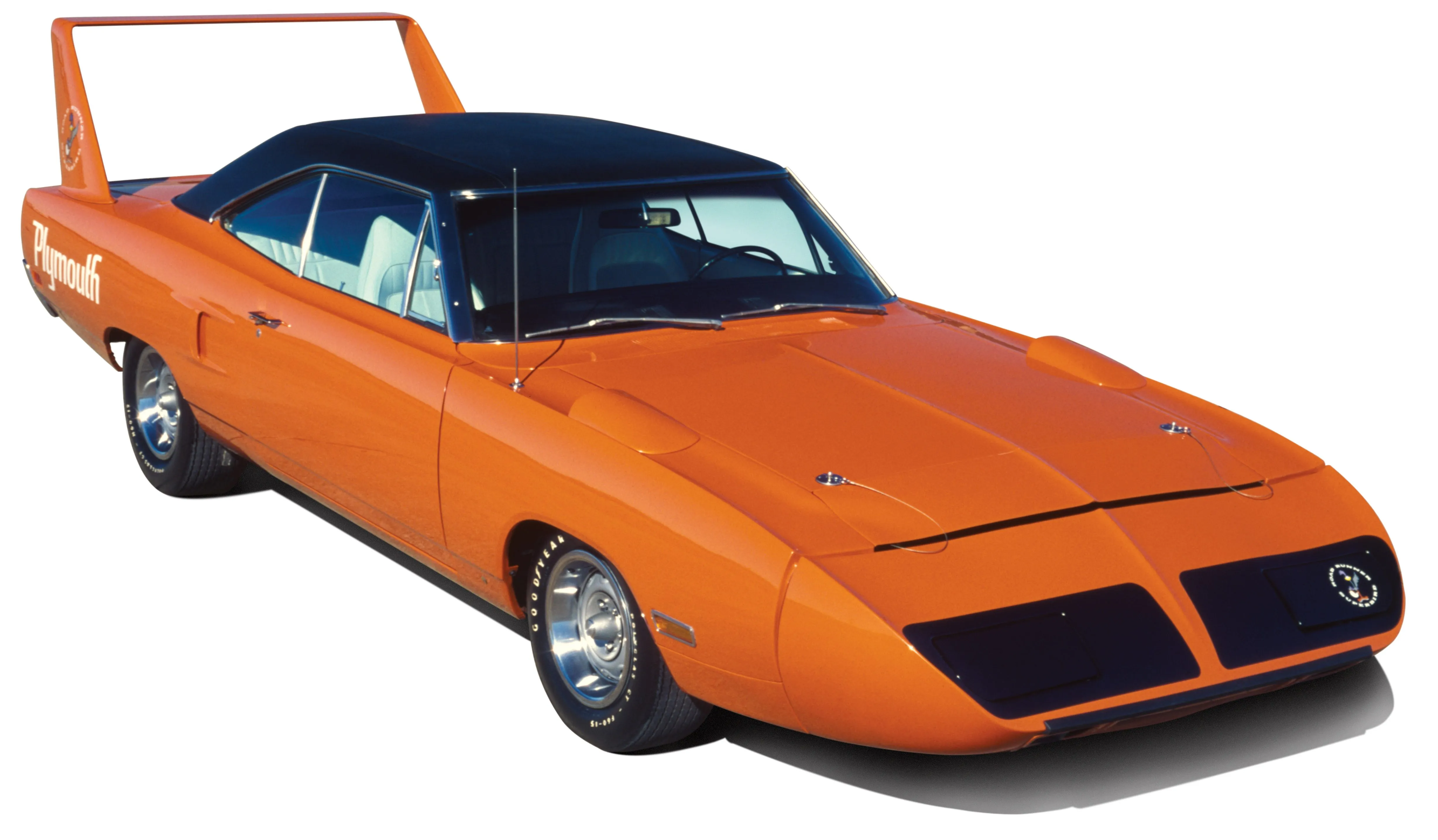
This particular car followed a similarly unglamorous path. Originally delivered to a Wisconsin dealership, it likely served briefly as a demonstrator before its nosecone was smashed—a common fate for many Superbirds of the era. Relegated to the back of the dealership as a parts donor, it lost its antenna, heater control valve, and a handful of minor components before a Minnesota resident purchased it and tucked the “winged warrior” away in long-term farm storage.
From Barn Find to Near-Zero Miles
As muscle cars gained collector status decades later, whispers began circulating about a “new” Superbird hidden away in Minnesota. The eventual owner, referred to here only as Mr. S, tracked down the farmer and made an offer. Rebuffed at first, Mr. S stayed in contact for five years until the farmer finally called in 1990 to see if the offer still stood. A brief negotiation later, ownership changed hands.
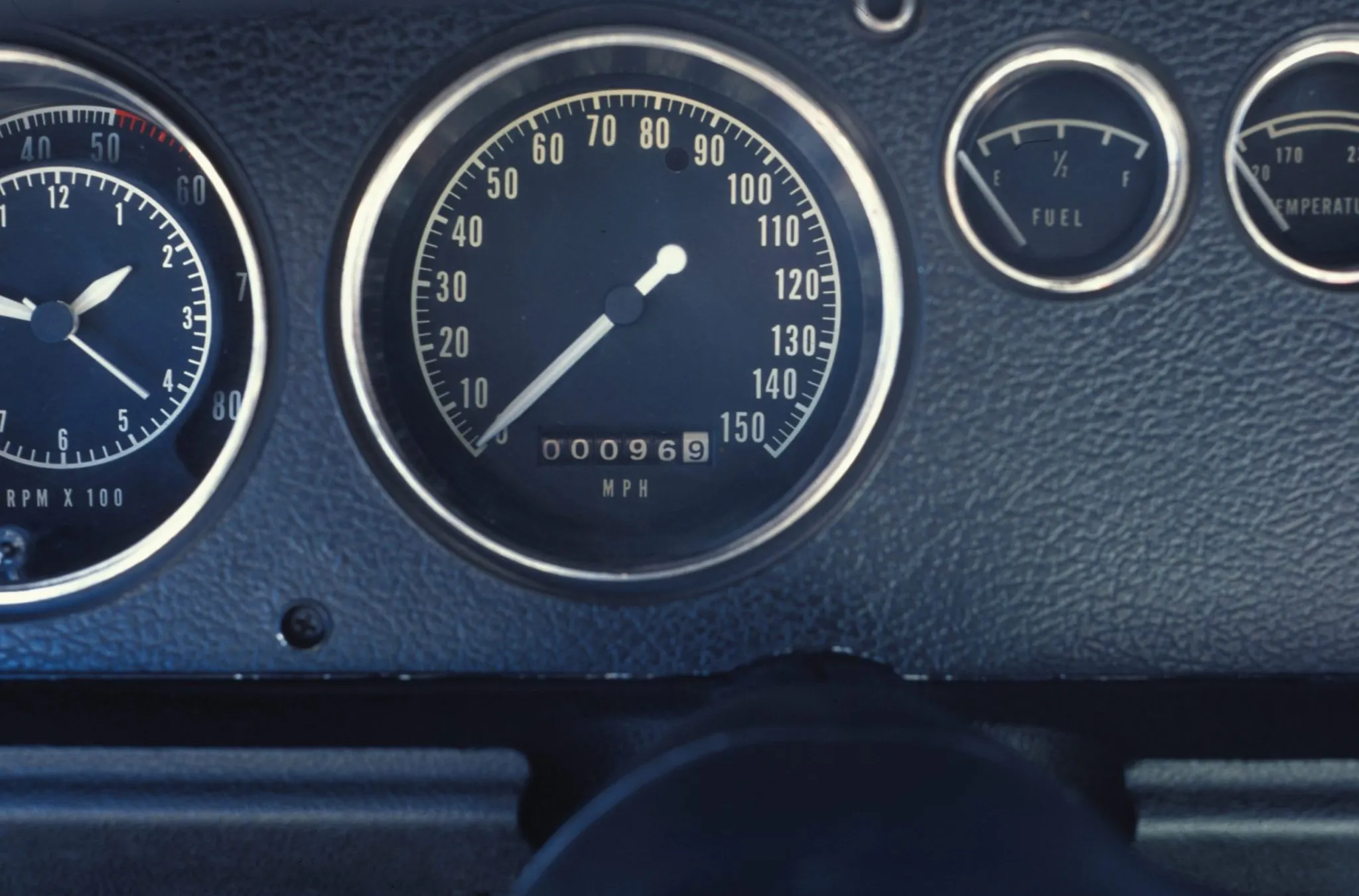 Odometer of a 1970 Plymouth Superbird reading 96.9 original miles
Restoration efforts focused on authenticity rather than driving enjoyment. The car received a New Old Stock (NOS) nosecone—fitting, given that nearly every component on the car is NOS—along with a repaint in its factory Hemi Orange finish and two NOS Polyglas rear tires bearing matching date codes. The front tires, chrome trim, and interior remained entirely original, and even the bill of lading number is still visible on the back of the rearview mirror.
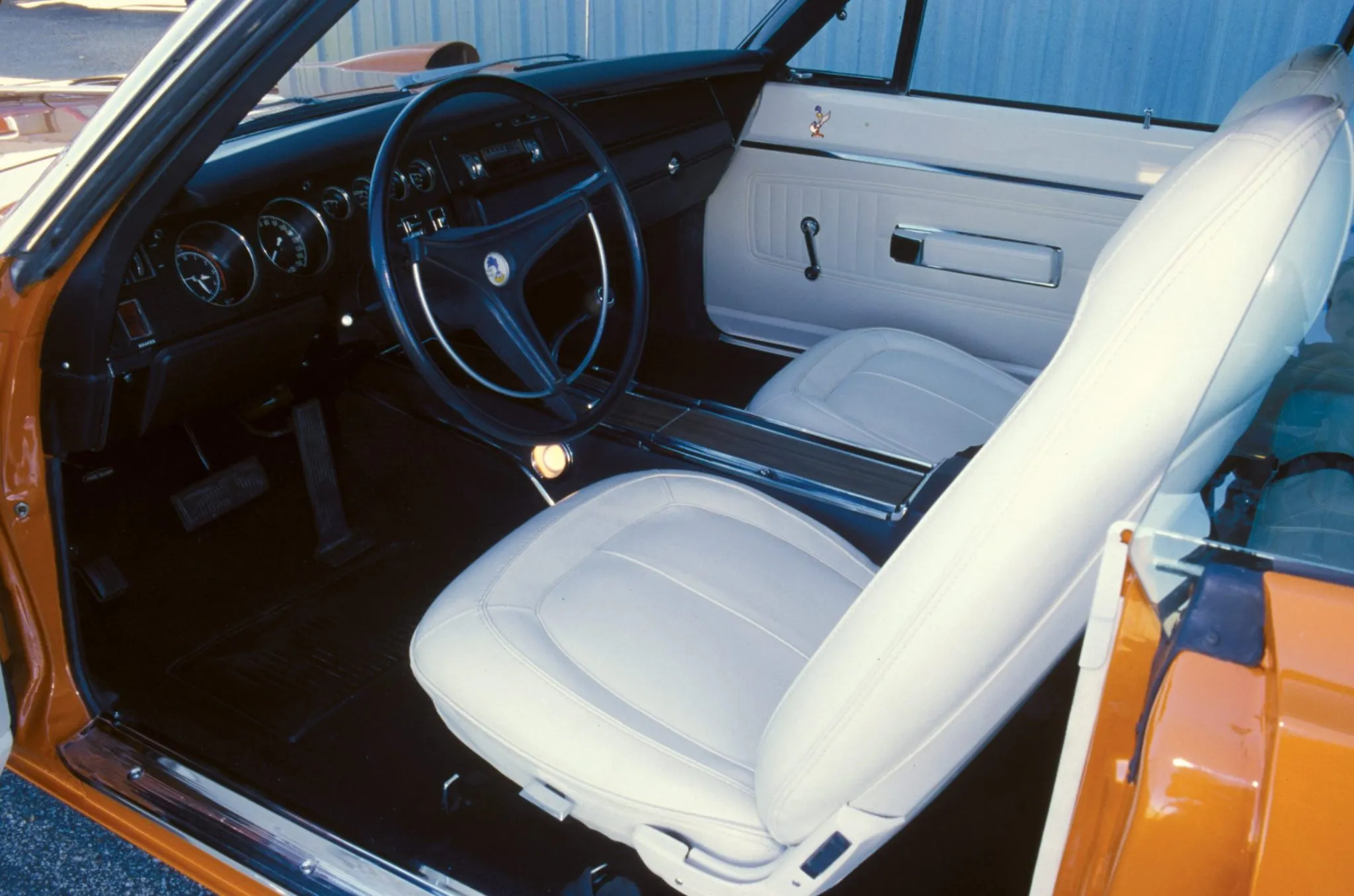
To preserve the sub-100-mile odometer reading, Mr. S resisted the urge to drive the car, starting the engine only occasionally to keep mechanical components in working order. Since these photographs were taken, the car has changed hands again and finally crossed the 100-mile threshold.
Specifications: 1970 Plymouth Superbird
- Base Price: $4,298
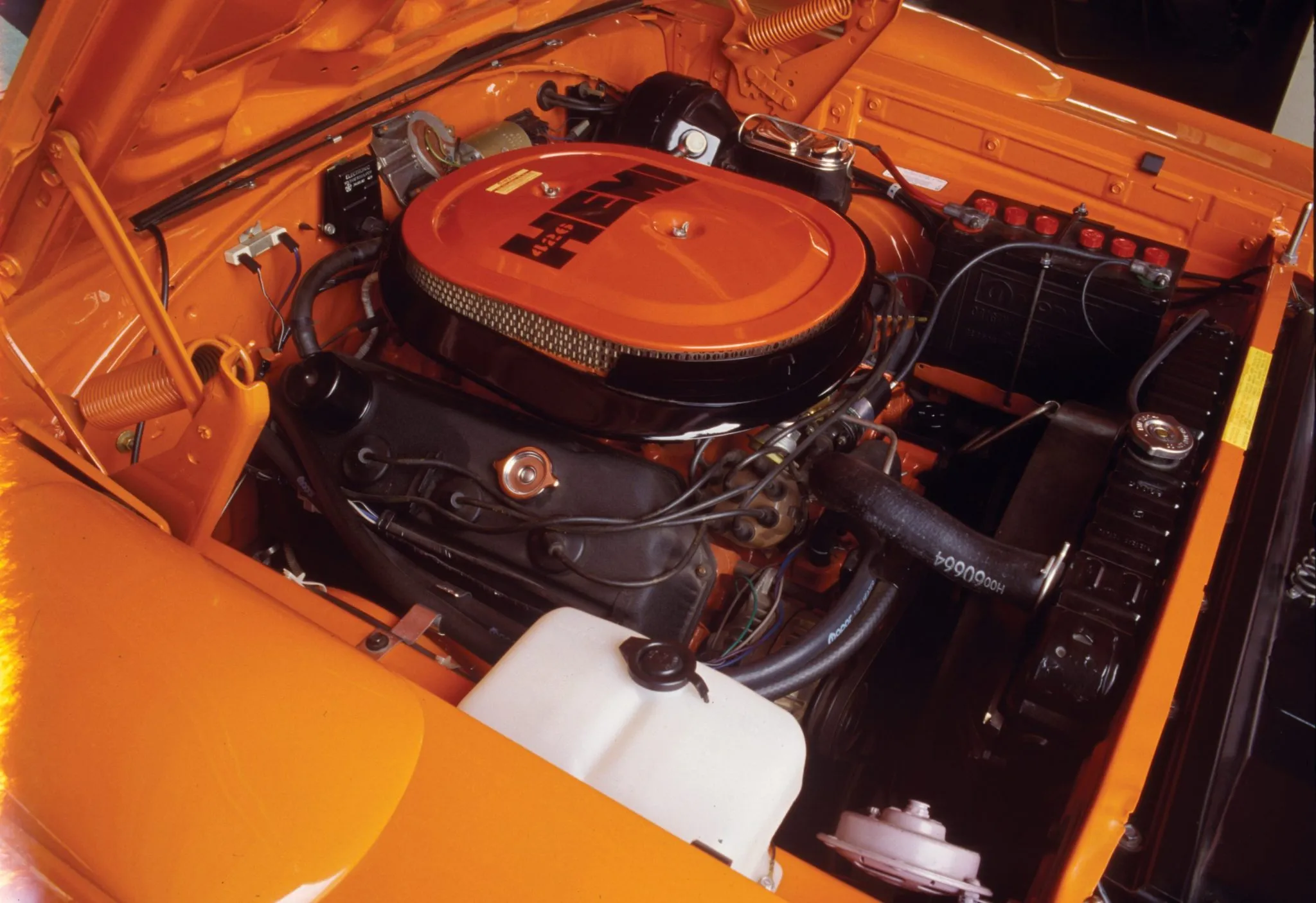
- Engine: 426 cid V8 (Hemi)
- Bore and Stroke: 4.25 x 3.75 in.
- Horsepower: 425 @ 5,000 rpm
- Torque: 490 @ 4,000 rpm
- Carburetor: Dual Carter AFBs
- Compression Ratio: 10.25:1
- Transmission: Four-speed manual
- Axle Ratio: 3.54:1
- Wheelbase: 116 inches
- Production: 1,920 total units (93 with the Hemi engine)
Performance (per Car and Driver):
- 0–60 mph: 4.8 seconds
- Quarter mile: 13.50 seconds @ 105 mph
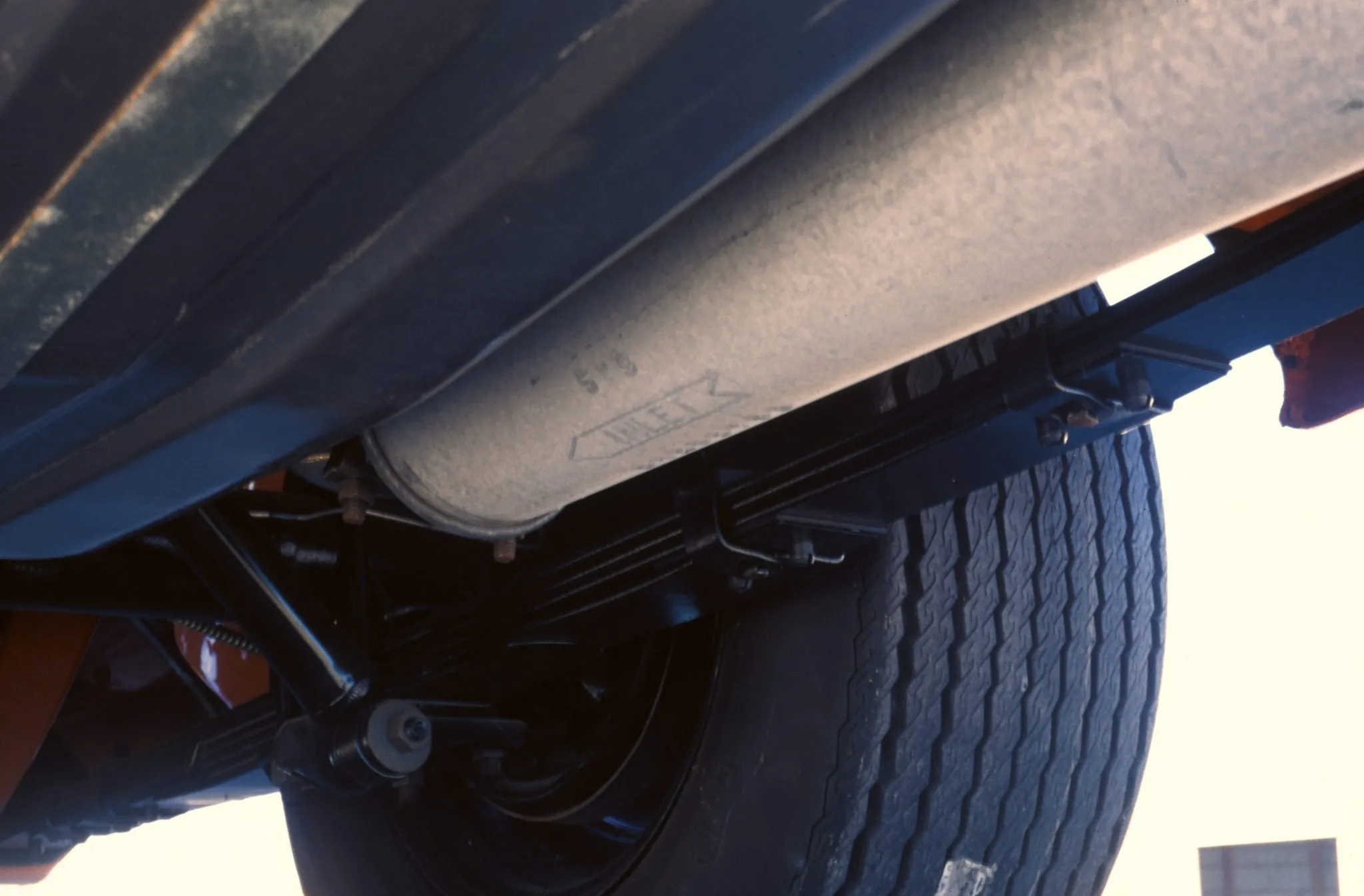 Factory-correct exhaust system underneath a restored 1970 Plymouth Superbird
Final Thoughts
The 1970 Plymouth Superbird stands as one of the most fascinating paradoxes in American automotive history: a car so unwanted when new that dealers practically begged buyers to take it off their hands, yet so revered today that surviving, original examples—especially Hemi-powered ones like this 97-mile survivor—command intense collector interest. Its story is a reminder that true automotive significance often takes decades to be fully appreciated.
For MOPAR fans and muscle car collectors alike, this Superbird’s journey from a damaged dealer parts car to a nearly untouched time capsule offers a rare glimpse into what these winged warriors looked like the day they left the factory. If you’re passionate about preserving a piece of automotive history like this one, share your thoughts on the Superbird’s legacy, and explore more classic muscle car features to keep the story alive.
References
Temple, D. W. (2006, October). 1970 Plymouth Superbird: The Winged Warrior. Car Collector Magazine.