
Lag can be the ultimate frustration for any gamer, turning clutch moments into crushing defeats. While many factors contribute to a smooth online experience, the humble Ethernet cable often plays a critical role. Choosing the right cable can mean the difference between seamless gameplay and pixelated disappointment. This guide cuts through the marketing noise to help you select the best Ethernet cable for gaming in 25, ensuring you frag, not lag.
What NOT to Do for a Reliable Gaming Experience
Before diving into what you should do, let’s address common pitfalls that can sabotage your gaming network.
The Pitfalls of Wi-Fi for Gaming
It’s widely known that Wi-Fi is generally inferior to wired connections for online gaming. Even the latest Wi-Fi technologies, such as WiFi 6, WiFi 6E, and WiFi 7, are susceptible to higher latency and ping times due to the inherent nature of wireless transmission and error checking. Environmental interference is an unavoidable issue that can lead to inconsistent performance. For the highest quality gaming experience, especially in fast-paced online games, a wired Ethernet connection remains the gold standard. Understanding the differences between wired and wireless connectivity is key: Ethernet vs WiFi, Is Wiring your Network Worth It?.
Terminating Solid Copper for Patch Cables
While solid copper Ethernet is excellent for permanent, in-wall installations, it’s not suitable for patch cables that undergo frequent handling. The terminations on solid copper are a significant weak point. Attempting to create your own patch cords from solid copper Ethernet is generally ill-advised unless you possess specific expertise.
Understanding Solid vs. Stranded Copper Ethernet Cable
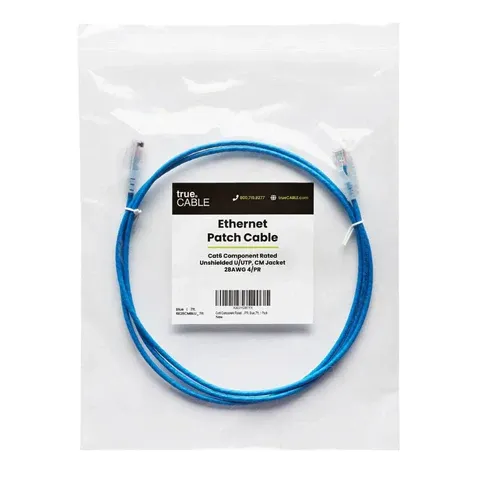
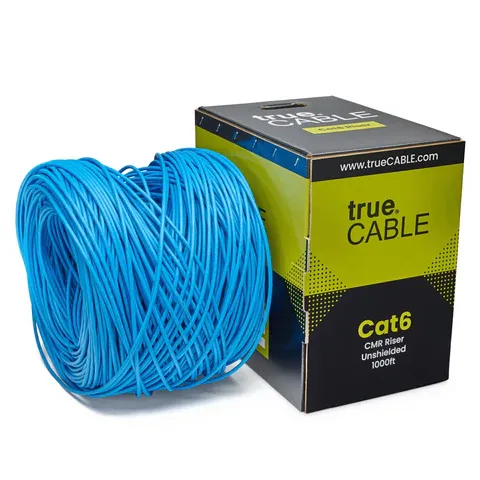
When setting up your gaming network, you’ll primarily use Ethernet patch cables. These cables differ from bulk solid copper cable in their construction and intended use.
Ethernet patch cables come pre-terminated with 8P8C (RJ45) connectors. In contrast, bulk solid copper Ethernet must be cut to length and terminated by an installer, typically connecting to keystone jacks and patch panels. Crucially, patch cables are constructed with stranded copper conductors, making them more flexible and able to withstand repeated plugging and unplugging – essential for a gaming setup.
Beware of Counterfeit Cables
The market is unfortunately flooded with counterfeit and low-quality Ethernet cables that can severely impact network performance. Extensive testing by organizations like the CCCA has revealed that a significant percentage of off-brand, offshore patch cords fail to meet industry electrical performance standards. This can lead to substantial network issues, negating any cost savings. It’s a stark reminder that higher “rated” cables are useless if they are poorly manufactured.
Selecting the Best Ethernet Cable for Gaming
The ideal Ethernet cable for your gaming setup, whether connecting an Xbox, PS5, or PC, is consistent across different uses. Performance is paramount at every point in the chain, as any weak link will degrade your gaming experience. Always opt for high-quality, Component Rated and Certified patch cables from reputable brands. While they may cost slightly more than mass-produced alternatives, the performance and reliability justify the investment.
For most gamers connecting directly from their switch or router to their gaming device, an Ethernet patch cable is the go-to. Even if you have a structured cabling system, selecting a quality patch cord for the final connection is vital.
The market is flooded with Ethernet patch cables. Most of them are utter garbage not worth buying.
Round, flat, shielded – the options can be overwhelming, with each claiming superior performance. Let’s simplify the selection process.
Choosing the Right Category
Ethernet cable categories (Cat5e, Cat6, Cat6a, etc.) indicate the cable’s reliable speed capabilities, influenced by factors like distance, conductor type (solid vs. stranded), and your equipment’s speeds.
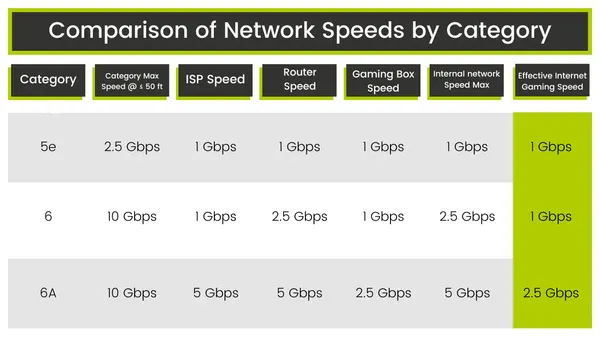
In a residential environment, the Ethernet cable category is often the least critical decision. For typical gaming and internet usage, even Cat5e is sufficient. Most internet service provider (ISP) speeds are 1Gbps or less, and your network performance will always be limited by the slowest component. You generally don’t need Cat7 or Cat8 for gaming. Category becomes more relevant for high-speed internal network (LAN) transfers, such as between a NAS and a PC for large file backups or video editing.
Final Analysis on Category: Cat6 is the recommended choice for most gamers, offering excellent performance for current needs and sufficient future-proofing.
Do You Need Shielded Ethernet?
For the vast majority of home gaming setups, the answer is no. Shielded Ethernet cable does not increase LAN speeds and can introduce complications like ground loops or floating cable shields, making routing more difficult.
Final Analysis on Shielding: Only consider shielded Ethernet if you have a specific known issue that shielding will resolve and you are prepared for proper grounding procedures.
Which Cable Jacket Do You Need?
For indoor residential applications, look for CM, CMG, or CMR rated jackets. These ratings ensure fire safety within your home. If your cable needs to run outdoors or through commercial spaces, different, more stringent ratings and considerations apply. For same-room connections, CM/CMG or CMR are suitable.
Are Thin Ethernet Patch Cords Okay?
While thinner patch cords offer easier routing in tight spaces like patch panels and server racks, there’s a limit to how thin they should be. As the stranded copper conductor gauge decreases (e.g., 30AWG or 32AWG), the cable’s ability to reliably transmit signals diminishes significantly, especially over longer distances. The ANSI/TIA 568.0-E standard allows for conductors as thin as 28AWG in patch cords.
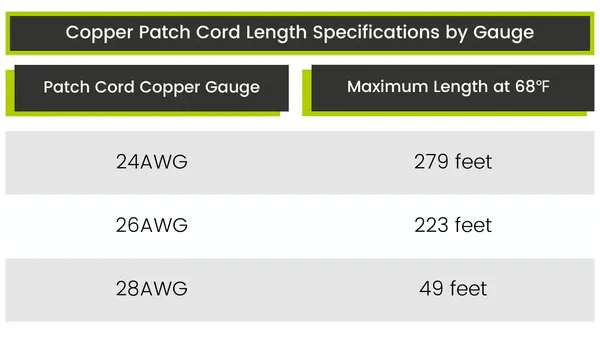 Copper Patch Cord Length Specifications by Gauge
Final Analysis on Patch Cord Thickness: Opt for patch cords using stranded copper conductors between 24AWG and 26AWG for the best balance of flexibility and signal integrity. Avoid cords thinner than 28AWG.
Other Important Considerations
- Avoid Marketing Hype: Be wary of outlandish claims and flashy packaging. Often, the best-performing cables come in understated packaging.
- Unknown Manufacturers: Steer clear of unknown brands and scrutinize reviews for authenticity.
- Certifications: Look for cETLus or UL Listed marks for fire safety. The cable should also be stamped with its jacket rating (e.g., CM).
- Cat7 and Cat8: Cat7, unless terminated with specific connectors (GG45 or TERA), is typically counterfeit when using standard RJ45 connectors. Cat8 is designed for short, high-speed data center connections (40Gbps) and is generally overkill and impractical for home gaming. For speeds beyond 10Gbps, fiber optic solutions are usually more appropriate than copper Ethernet. Understanding what’s a good ping for gaming is also crucial.
Conclusion
Choosing the best Ethernet cable for gaming involves more than just picking the cheapest or most expensive option. By understanding the differences between solid and stranded copper, paying attention to cable categories, jacket ratings, and conductor gauges, and avoiding counterfeit products, you can significantly enhance your online gaming experience. Investing in a quality, certified patch cable from a reputable brand, such as those offered by trueCABLE, will provide the reliable connection needed to compete at your best. Happy networking!
trueCABLE presents the information on our website, including the “Cable Academy” blog and live chat support, as a service to our customers and other visitors to our website subject to our website terms and conditions. While the information on this website is about data networking and electrical issues, it is not professional advice and any reliance on such material is at your own risk.