
Image Load Error
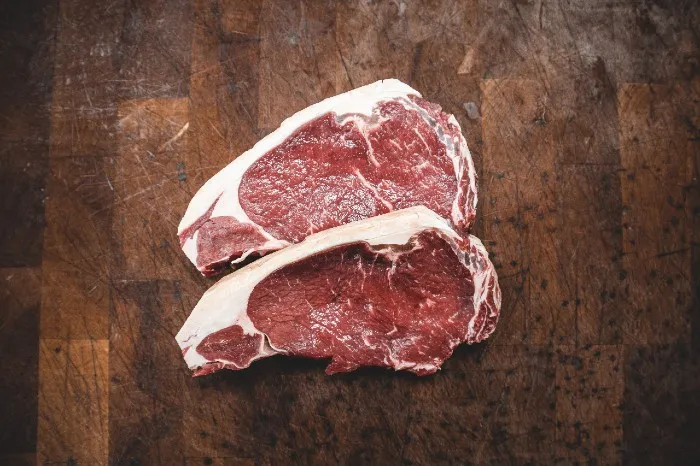
Choosing the right protein source for your dog can feel overwhelming with so many options available. Whether you’re selecting commercial dog food or preparing homemade meals, understanding which meats provide optimal nutrition is essential for your pet’s health and longevity. Different meats offer unique nutritional profiles, and knowing what each provides helps you make informed decisions about your dog’s diet. This comprehensive guide explores the best meats for dogs, their specific benefits, and expert recommendations from veterinary nutritionists to help you feed your furry friend the best possible diet.
Why Meat Matters in Your Dog’s Diet
High-quality meat serves as an excellent source of protein, which is fundamental for building and repairing tissues, supporting muscle growth, and maintaining overall health in dogs. According to board-certified nutritionist Dr. Sally Perea, DVM, MS, DACVIM, meats provide all the essential amino acids that dogs cannot produce independently, making them necessary components of a balanced diet.
Beyond protein, meats supply various vitamins and minerals crucial for canine well-being, including B vitamins, iron, zinc, and selenium. These nutrients support metabolism, immune function, and skin and coat health. Additionally, meats are highly palatable for dogs, enhancing meal enjoyment even for typically picky eaters.
While dogs are omnivores and require more than just meat to meet their complete dietary needs, selecting dog food with high-quality meat as the primary ingredient forms the foundation of proper nutrition.
Chicken: The Lean Protein Powerhouse
Chicken remains a staple ingredient in many premium dog foods for compelling reasons. As a lean source of protein, chicken is essential for your dog’s energy levels and muscle health. It provides omega-6 fatty acids that promote healthy skin and a glossy coat, giving your dog that vibrant appearance.
Chicken also delivers important vitamins and minerals, particularly vitamins B6 and B12, which are crucial for glucose production, red blood cell formation, and nervous system function. The zinc content supports immune system health and thyroid function, while selenium plays a vital role in metabolism.
If you’re preparing chicken at home, ensure it’s thoroughly cooked before serving. Raw or undercooked chicken can lead to salmonella or bacterial infections in dogs, just as in humans. When creating homemade diets, always consult with a veterinary nutritionist to ensure the overall diet remains well-balanced and nutritionally complete.
Beef: Nutrient-Rich Red Meat Option
Beef offers excellent nutritional value and is readily available, making it a delicious and affordable dog food option. Like chicken, beef provides high-quality protein along with a wide variety of nutrients including vitamin B12, B6, zinc, iron, magnesium, potassium, and sodium. These nutrients deliver similar benefits to chicken, supporting energy levels, maintaining a healthy coat, and bolstering the immune system.
Grass-fed, lean beef represents an ideal dinner option for dogs. However, it’s important to understand that some commercial foods may use rendered beef. Rendering is a high-pressure, high-temperature process ensuring the safety of the final meat meal. According to AAFCO definitions, rendered beef is a dry product from beef tissues, excluding blood, hair, hoof, horn, hide trimmings, manure, stomach, and rumen contents.
While the protein digestibility of rendered meat meals can vary, this type of meat still offers valuable proteins, fats, and minerals for dog food diets. Conversely, avoid feeding fatty cuts of beef such as ribeye or T-bone steak, as these can cause gastrointestinal issues. Never feed beef bones or corned beef, and resist sharing your hamburger or BBQ with your canine companion.
Turkey: Gentle Digestion Alternative
Turkey serves as an excellent protein source for dogs, particularly those with sensitive digestive systems. This lean meat is gentler on digestion than fatty red meats while remaining packed with protein, low in fat, and rich in essential amino acids and omega-6 fatty acids.
When offering turkey as a treat, ensure it’s cooked and completely unseasoned. Be aware that turkey skin and some ground turkey varieties can contain higher fat content, so always check labels and select lean versions. As with all meats, bones should be avoided, and any home-prepared diet should be balanced with veterinary nutritionist guidance.
Lamb: Ideal for Sensitive Stomachs
Lamb represents a great protein source and particularly tasty option for dogs with chicken intolerances or sensitive stomachs. Like other quality meats, lamb provides essential amino acids, vitamins, and minerals necessary for optimal health. Its novel protein status makes it less likely to trigger food sensitivities in dogs who struggle with more common protein sources.
Duck: Omega-Rich Poultry Alternative
Duck offers similar benefits to other poultry, being rich in omega-6 fatty acids that maintain healthy skin and coat. For dogs who don’t favor chicken or have poultry intolerances, duck serves as an excellent alternative. Like all quality meats, duck provides iron and protein, and most dogs find it delicious.
Duck is a lean protein source low in saturated fat while containing healthy polyunsaturated and monounsaturated fats that provide sustained energy for your active dog.
Fish: Omega-3 Powerhouse
Fish, particularly salmon or tuna, offers high protein content and rich omega-3 fatty acids, making it a tasty and nutritious option for dogs. Fish provides excellent protein while remaining relatively low in saturated fats and easily digestible when cooked.
Fish is considered a novel protein in many commercial diets, which benefits dogs with food intolerances, allergies, or other dietary sensitivities. Additionally, fish supplies several key vitamins and minerals that play important roles in maintaining your dog’s health throughout their life. The omega-3 fatty acids specifically support brain function, joint health, and coat condition.
Venison: Lean Novel Protein
Venison, while less common, offers equally impressive nutrition as a natural, lean meat found in specialty dog foods. This protein source provides dual benefits for your dog’s well-being. First, venison is highly digestible and represents a lean protein source, making it gentle on your dog’s digestive system.
As a novel protein, venison is less likely to trigger ingredient sensitivities, making it ideal for dogs with food allergies or those requiring limited-ingredient diets.
Rabbit: Ultra-Lean Protein Source
Rabbit offers exceptional nutritional value as a protein source leaner than many alternatives including beef, pork, dark meat chicken, or lamb. This makes rabbit an excellent protein choice for dogs needing nutritious treats that are lower in calories and fat.
Rabbit’s high protein content combined with its low-fat profile makes it particularly suitable for weight management or dogs requiring calorie-controlled diets without sacrificing nutritional quality.
Offal: Nutrient-Dense Organ Meats
Offal, or organ meat, remains an underrated ingredient for both humans and dogs. Compared to regular muscle meat cuts, offal is packed with essential nutrients including vitamins A, B, and D, plus vital minerals such as iron, zinc, and selenium. These concentrated nutrients provide significant benefits for your dog’s overall health and well-being.
Organ meats like liver, kidney, and heart are commonly included in quality pet foods and can be valuable additions to homemade diets when used appropriately.
Feeding Guidelines and Safety Considerations
When incorporating meats into your dog’s diet, follow these essential guidelines:
Avoid:
- Cooked bones from meat, as they can splinter and create choking hazards or internal injuries
- Table scraps containing seasoning, particularly garlic or onion, which can be toxic to dogs
- Highly processed meats like bacon or sausages, which are excessively high in fat and salt
- Feeding only meat, as dogs require complete and balanced nutrition including vegetables, grains, and supplements
Do:
- Consult your veterinarian when trying new foods or if concerned about food allergies
- Choose nutritious dog food with high-quality protein sources as primary ingredients
- Work with a veterinary nutritionist when preparing homemade diets to ensure nutritional completeness
- Cook meats thoroughly to eliminate bacterial risks
- Introduce new proteins gradually to monitor for adverse reactions
Making the Right Choice for Your Dog
Generally, selecting lean, nutritious, meat-based dog food ensures your dog reaps the benefits of quality protein along with other essential ingredients needed for a balanced diet. The best meat for your individual dog depends on their specific needs, activity level, age, health conditions, and any food sensitivities.
Diet rotation incorporating different protein sources can provide a broader range of nutrients and prevent food sensitivities from developing. Many dogs benefit from rotating between chicken, beef, fish, and novel proteins like venison or rabbit throughout the year.
Remember that while meat forms an important foundation of canine nutrition, dogs require complete and balanced diets including appropriate levels of fats, carbohydrates, vitamins, and minerals. Always prioritize high-quality commercial foods formulated to meet AAFCO standards or work closely with veterinary professionals when preparing homemade meals.
By understanding the unique benefits each meat offers and following proper feeding guidelines, you can provide your dog with optimal nutrition that supports their health, energy, and happiness for years to come.