
Welcoming a dog into your life is a commitment to their well-being, and that includes providing them with a nutritious diet. While commercial dog food forms the foundation of their meals, incorporating certain human foods can offer significant health benefits, acting as excellent supplements and treats. Understanding which foods are safe and beneficial is key to supporting your dog’s overall health, from digestion to immune function and coat health.
This guide explores a variety of healthy and safe foods that you can share with your canine companion, ensuring they receive a balanced intake of essential nutrients. Always remember to introduce new foods gradually and in moderation, and consult with your veterinarian if you have any specific concerns about your dog’s diet or health conditions. For instance, understanding what to not give your dog to eat is as crucial as knowing what they can enjoy.
Fruits: A Sweet and Nutritious Addition
Many fruits, when prepared correctly, can be a delightful and healthy addition to your dog’s diet. They offer a range of vitamins, minerals, and fiber that contribute to a dog’s overall health.
- Apples: Fresh apples are a great source of vitamins A and C, and fiber, which aids digestive health. Ensure the seeds are removed, as they contain a small amount of cyanide.
- Bananas: These are easy to chew and beneficial for older dogs. Bananas contain fiber, potassium, and vitamins that support heart health and digestion.
- Blueberries: Packed with antioxidants and vitamins like C, K, and A, blueberries can help reduce the risk of age-related diseases.
- Mango: High in fiber and vitamins A, B6, C, and E, mango is a sweet treat. Always remove the pit and peel, and feed in moderation due to its sugar content.
- Watermelon: This hydrating fruit is a good source of vitamins A, C, and B6. Remove the seeds and rind before serving.
Vegetables: Crunchy, Nutritious, and Beneficial
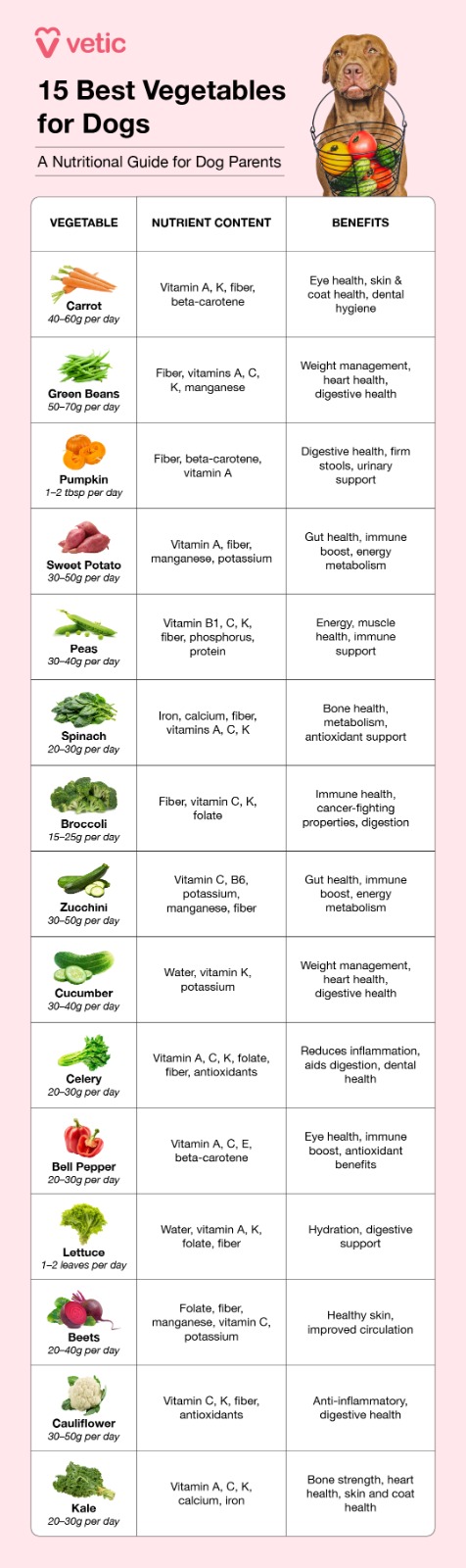
Vegetables offer a wealth of nutrients and can be a fantastic way to add fiber and essential vitamins to your dog’s diet.
- Carrots: A good source of vitamin A and fiber, carrots also have a crunchy texture that can help clean your dog’s teeth. Cut them into small pieces for puppies or smaller dogs to prevent choking hazards.
- Cauliflower: Low in calories and rich in fiber, antioxidants, and various vitamins and minerals, cauliflower is a nutrient-dense option. However, it can cause gas, so serve in small amounts and unseasoned.
- Celery: Low in fat and a good source of fiber and vitamins A, C, and K, celery can also help freshen your dog’s breath. Chop it into bite-sized pieces to avoid choking.
- Cucumbers: Similar to celery, cucumbers are low-calorie, fat-free, and sodium-free. Cut them into manageable pieces to prevent choking.
- Green Beans: An excellent choice for overweight dogs, green beans are low in calories and fat and provide fiber and vitamin C. They can be served cooked or frozen.
- Pumpkin: Pure pumpkin is highly beneficial for digestion, helping with both diarrhea and constipation due to its high fiber and prebiotic content. Ensure it’s pure pumpkin, not pumpkin pie filling.
Proteins: Essential for Growth and Repair
Cooked and unseasoned proteins are vital for a dog’s diet, providing essential amino acids, vitamins, and minerals.
- Beef (Cooked): A nutritious protein source, ensure it’s fully cooked to avoid bacteria. Grass-fed beef is preferable for its better fatty acid profile.
- Chicken (Cooked and Unseasoned): Easily digestible and high in protein, boiled chicken is often recommended for dogs with upset stomachs. Avoid giving chicken bones, especially cooked ones, as they can splinter.
- Eggs (Cooked and Unseasoned): A great source of protein and vitamins, including A, B, D, and K. Cook eggs thoroughly to eliminate the risk of salmonella.
- Fish (Cooked and Unseasoned): Especially salmon and sardines, fish are rich in protein, omega-3 fatty acids, and calcium (from sardine bones). Always remove bones from other fish and limit consumption to twice a week.
- Turkey (Cooked and Unseasoned): Another good source of protein, remove the skin, fat, and bones. Ensure it is fully cooked and unseasoned.
Grains and Other Foods: Carefully Selected Additions
While dogs are primarily carnivores, certain grains and other foods can be safely included in their diet in moderation.
- Peanuts (Unsalted) and Peanut Butter: Peanuts offer good fats and protein, but moderation is key to prevent weight gain. Peanut butter is also beneficial, but always ensure it does not contain xylitol, which is toxic to dogs.
- White Rice (Cooked): Often recommended for dogs needing a bland diet, cooked white rice is easy to digest and helps firm stool. Dogs with diabetes should consume it in small amounts, as advised by a vet.
- Yogurt (Plain): Plain yogurt with active cultures can benefit a dog’s digestive system due to probiotics. Avoid yogurts with added sugar or artificial sweeteners.
Understanding what foods are safe and beneficial is an important aspect of responsible pet ownership. For a more comprehensive understanding of dietary safety, exploring what shouldn’t i feed my dog and what food should you not feed a dog can provide further valuable insights.
Expert Care and Resources
Providing your dog with a balanced diet is crucial for their long-term health. Regular veterinary check-ups are essential to ensure your pet stays happy and healthy throughout their life. Financial support for veterinary services, including routine care, emergencies, and surgeries, can be accessed through resources like the CareCredit credit card for pet care. The CareCredit network can be utilized for a wide range of pet health needs. You can find a veterinarian who accepts CareCredit using their online locator tool.
Dr. Kathy Wiederkehr (Wentworth), a veterinarian with extensive experience, emphasizes the importance of veterinary medicine for pet care facilities. Her expertise, including board certification in Canine and Feline Practice, underscores the need for professional guidance in animal health.
Conclusion
Incorporating a variety of these healthy, safe foods into your dog’s diet can significantly contribute to their overall well-being, providing essential nutrients and enjoyable treats. Always prioritize moderation, proper preparation, and consultation with your veterinarian to ensure your dog thrives on a balanced and safe diet. Remember that while these foods are beneficial, they should complement, not replace, a high-quality commercial dog food. For further information on what to avoid, understanding what foods you should not feed your dog is also paramount.