
Frank Sinatra stands as one of the most successful recording artists of all time, yet his musical identity cannot be confined to a single label. When exploring Frank Sinatra music genres, listeners quickly discover a career that stretches across decades, styles, and cultural shifts in American popular music. His voice became a bridge between eras—moving from the swing-dominated radio age of the 1940s to the polished pop standards that defined mid-century entertainment.
Rather than fitting neatly into one category, Sinatra’s discography reflects a dynamic evolution of 20th-century music itself. From jazz-inspired arrangements to romantic ballads and Latin-influenced duets, his work resists simplification and rewards deeper listening.
Why Frank Sinatra Defies a Single Genre
Frank Sinatra’s career began in the early 1940s, during the height of the swing era, when big band jazz dominated American radio. At the time, genre distinctions were far less fragmented than they are today. Music was broadly categorized as “popular,” and artists like Sinatra moved fluidly within that space.

Sinatra’s ability to adapt allowed him to thrive across changing musical landscapes. He sold around 150 million records worldwide and built a career that included not only recording sessions but also film acting and live performances in Las Vegas with the Rat Pack. This versatility is one of the key reasons his music cannot be pinned down to a single genre category.
The Meaning of Genre in Music History
To understand Sinatra’s artistic identity, it is important to understand how the idea of genre itself has evolved. In the 1940s, when Sinatra began performing professionally, genre was not as segmented as it is today. Big band jazz functioned as mainstream popular music, played widely on radio stations and in dance halls across the United States.
Over time, however, music classification became more detailed. Modern listeners now distinguish between pop, jazz, R&B, electronic music, and countless subgenres. This expansion makes historical artists like Sinatra more difficult to categorize because they existed before these boundaries were rigidly defined.
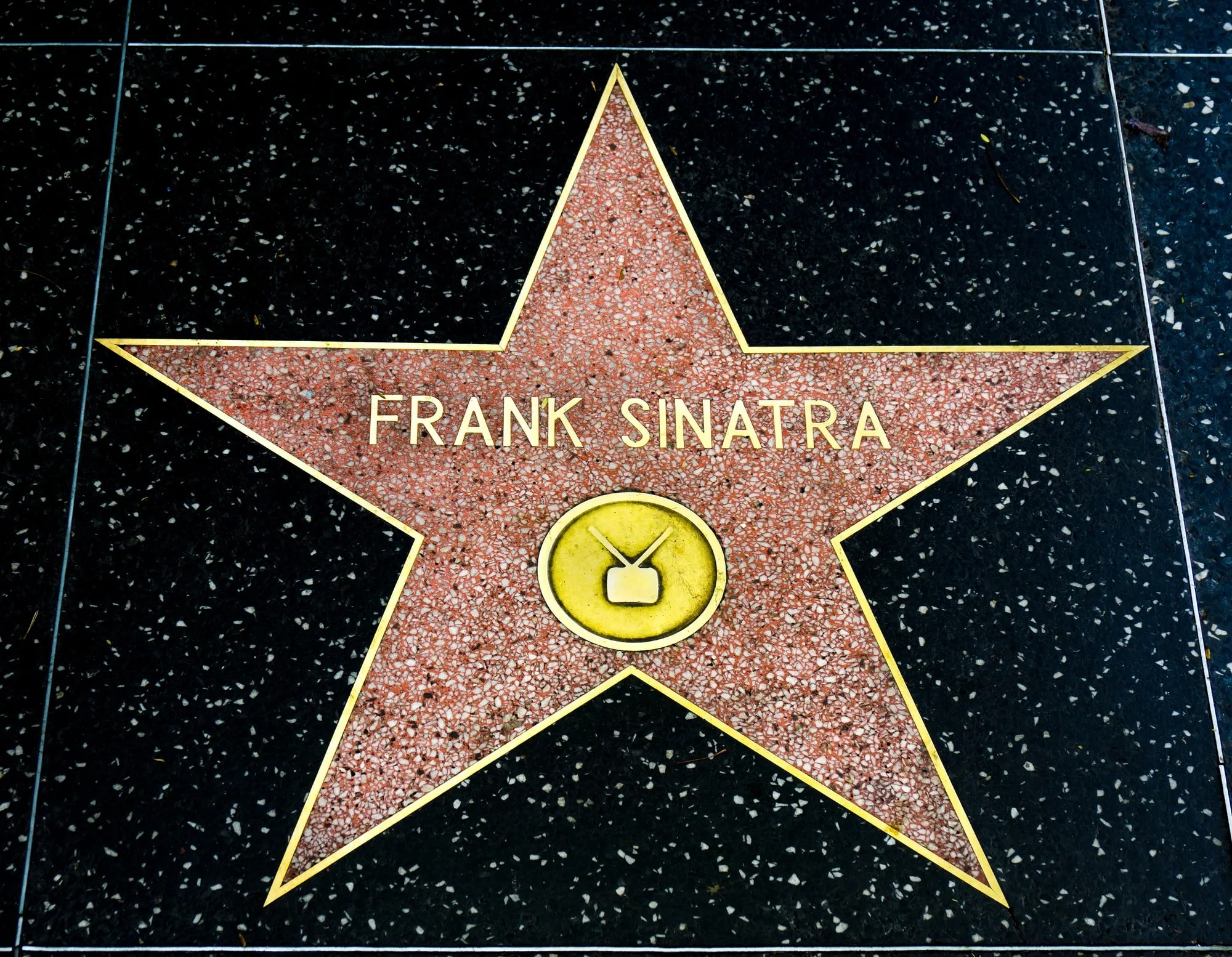
As a result, Sinatra’s catalog is often interpreted differently depending on context. Record stores, radio programmers, and streaming platforms each frame his work in ways that help audiences navigate his vast output—but none fully capture its diversity.
What Genres Did Frank Sinatra Perform?
Although Frank Sinatra is often associated with jazz influences, his recordings span multiple genres. His musical output reflects both the traditions of American popular music and his willingness to experiment with styles outside his comfort zone.
Traditional Pop
If one genre label must be applied to Sinatra’s entire body of work, Traditional Pop is often the closest fit. This category refers less to a strict musical structure and more to a historical period of popular music that predates modern pop definitions.
Traditional pop includes orchestral arrangements, melodic vocal focus, and lyrical storytelling. Sinatra became one of its defining voices, shaping the sound of mid-20th-century American entertainment.
Swing
A significant portion of Sinatra’s work is rooted in swing music, a subgenre of jazz characterized by rhythmic drive and big band instrumentation. During his Rat Pack era in Las Vegas, swing became central to his identity as a performer.
Songs like “New York, New York” and “Fly Me to the Moon” demonstrate his mastery of swing-influenced arrangements. These recordings highlight his ability to interpret rhythmically complex orchestral backing with effortless phrasing and emotional clarity.
Rhythm & Blues Influence
While not primarily an R&B artist, Sinatra occasionally crossed stylistic boundaries. His interpretation of “That’s Life” shows clear connections to Rhythm & Blues, a genre rooted in expressive vocals and soulful instrumentation.
This track, originally recorded by Marion Montgomery in 1963, became widely associated with Sinatra’s later career. Its resurgence in modern pop culture, including its use in the 2019 film Joker, demonstrates the timeless emotional weight of his performance style.
Bolero and Latin Influence
Sinatra also explored Latin-influenced styles, most notably through “Somethin’ Stupid,” a duet with his daughter Nancy Sinatra. This song is classified as a bolero, a Cuban-origin musical form known for its romantic and rhythmic qualities.
The track stands out in Sinatra’s catalog for its softer, more intimate tone and its departure from traditional swing arrangements. It reflects his willingness to experiment with global musical influences while maintaining his signature vocal style.
Conclusion
Frank Sinatra’s musical legacy cannot be confined to a single genre. While Traditional Pop may serve as a useful umbrella term, his work spans swing, jazz-influenced arrangements, rhythm and blues elements, and even Latin-inspired boleros. This diversity is what makes his catalog enduringly relevant.
Ultimately, exploring Frank Sinatra music genres is less about labeling and more about understanding the evolution of modern popular music itself. His recordings continue to resonate because they reflect both artistic versatility and a deep emotional connection to the listener.
Frank Sinatra remains a defining figure in 20th-century music history—one whose voice continues to transcend genre boundaries.