
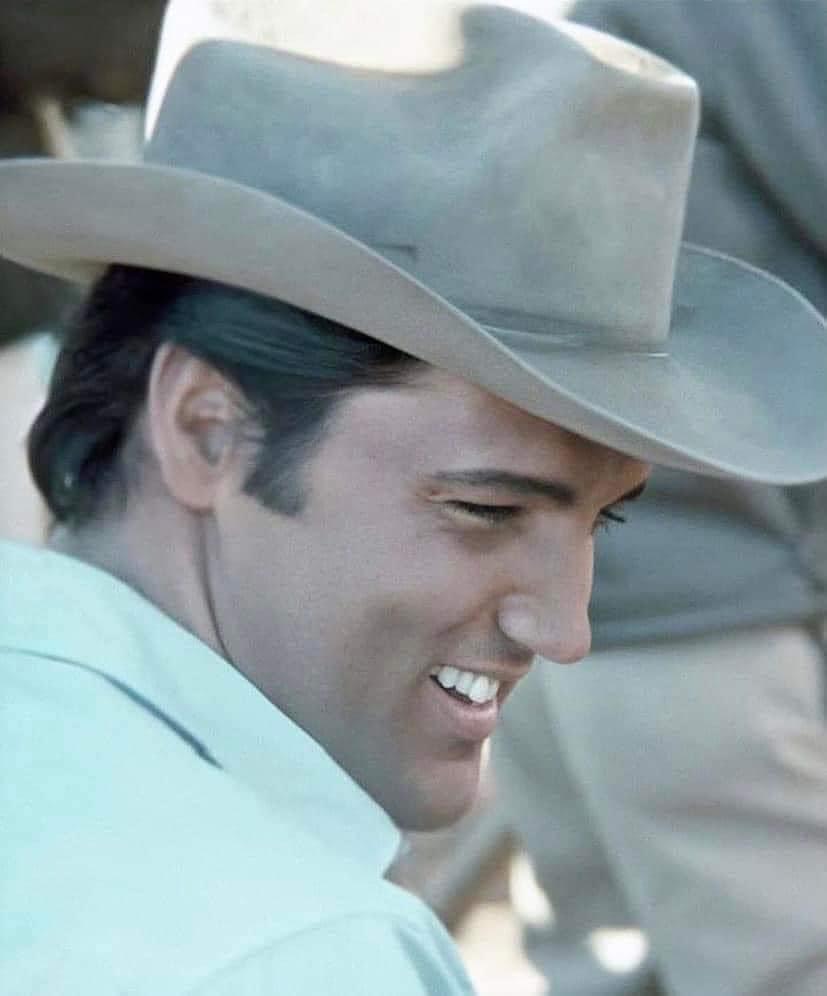
Oldies music is more than just sound—it is a living archive of cultural memory, emotion, and identity. Among its most iconic figures, Elvis Presley stands as a defining symbol of the golden era of American music. His life, deeply intertwined with the evolution of rock ‘n’ roll, is reflected not only in his songs but also in the way he celebrated personal milestones—especially his birthdays.
From humble beginnings in Tupelo, Mississippi to global stardom, Elvis’s birthday celebrations reveal a quieter, more intimate side of a legend whose influence continues to shape oldies music and popular culture worldwide.
The Early Years: A Gift That Changed Music History
Born on January 8, 1935, to Gladys and Vernon Presley, Elvis Aaron Presley’s journey into music began with a modest yet transformative birthday gift.
On his 11th birthday, Elvis reportedly wished for a rifle or a bicycle. Instead, his mother, Gladys, gave him a guitar. This seemingly simple decision would alter the course of music history. Over the following year, Elvis taught himself how to play, laying the foundation for what would become a revolutionary career in rock ‘n’ roll.
This moment reflects a recurring theme in oldies music history: the unexpected origins of greatness. Much like other pioneers of the genre, Elvis’s early exposure to music was rooted in family, faith, and local culture.
Teenage Years and Personal Treasures
By the time Elvis turned 14 in 1949, his life was still grounded in simplicity. That year, his father gifted him a cartoon book by George Price, inscribed with a heartfelt birthday message.
This book became one of Elvis’s cherished possessions—so much so that he carried it with him during his military service in Germany. Although it was eventually lost, the story highlights the sentimental nature of Elvis, often overshadowed by his public persona.
Fame, Fans, and Global Celebrations
As Elvis rose to fame, his birthdays began to attract public attention, even when he was far from home.
In 1959, while serving in the U.S. Army, fans celebrated his birthday through a special tribute on American Bandstand, hosted by Dick Clark. This event demonstrated how Elvis had already become a global icon, with fans eager to honor him regardless of distance.
Such moments underscore the cultural power of oldies music during its golden era—connecting audiences across borders through shared admiration.
Hollywood and Las Vegas: Celebrations in the Spotlight
In the early 1960s, Elvis’s career expanded into film, bringing new dimensions to his public image.
While filming Wild in the Country in 1961, Elvis celebrated his birthday on set with cast and crew. The celebration included a cake and a plaque humorously لقبing him “King Karate,” reflecting his growing interest in martial arts.
The following year, Elvis marked his 27th birthday at the Sahara Hotel in Las Vegas. Hosted by Milton Prell, the celebration featured a grand cake—symbolizing Elvis’s status as a leading entertainer in both music and live performance.
Quiet Moments at Graceland
Despite his fame, Elvis often preferred to celebrate his birthdays privately at Graceland, his beloved home in Memphis.
Rather than extravagant parties, he would rent out local movie theaters to enjoy films with close friends. These intimate gatherings reveal a different side of the King of Rock ‘n’ Roll—one that valued comfort, companionship, and normalcy.
Elvis Presley Day: A Cultural Phenomenon
In 1974, Elvis’s 39th birthday became a historic public celebration. The mayors of Memphis and Shelby County declared it “Elvis Presley Day,” complete with a parade along Elvis Presley Boulevard.
His former high school, Humes, honored him with a band performance of “Happy Birthday.” Elvis watched from the porch of Graceland, waving to fans—a powerful image of connection between artist and audience.
The celebration extended beyond Tennessee. Jimmy Carter, then Governor of Georgia, also declared the day in Elvis’s honor, reflecting his nationwide influence.
A Living Tradition: The Elvis Birthday Celebration
Today, Elvis’s legacy continues through annual events at Graceland. The Elvis Birthday Proclamation Ceremony remains a central highlight, alongside fan gatherings, auctions, and exclusive events.
These celebrations are not just tributes—they are cultural rituals that preserve the spirit of oldies music. They allow new generations to experience the timeless appeal of Elvis Presley and the era he defined.
For fans of oldies music, such traditions offer a deeper understanding of how music shapes identity, memory, and community.
Conclusion
Elvis Presley’s birthdays, whether quiet or grand, tell a story that goes beyond personal milestones. They reflect the journey of a young boy from Tupelo who became a global symbol of oldies music and American culture.
From a simple guitar gift to nationwide celebrations, each moment contributes to the enduring mythos of the King of Rock ‘n’ Roll. His legacy reminds us that oldies music is not just about nostalgia—it is about the roots of modern sound and the emotions that transcend generations.
Explore these timeless melodies, revisit the stories behind them, and let the spirit of Elvis Presley guide you through the golden era of music.
References
- Graceland Official Blog. (2016). How Elvis Presley Celebrated His Birthday.
- Guralnick, P. (1994). Last Train to Memphis: The Rise of Elvis Presley. Little, Brown and Company.
- History.com Editors. (n.d.). Elvis Presley Biography. Retrieved from https://www.history.com
- Smithsonian Institution. (n.d.). The Cultural Impact of Elvis Presley.