
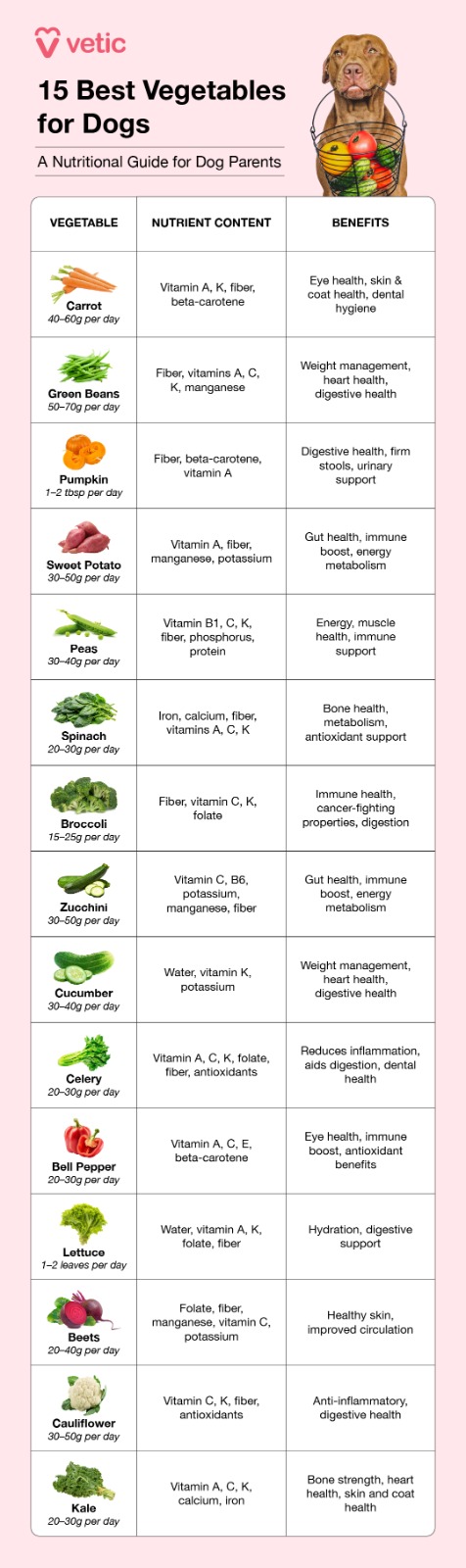
Understanding what vegetables are safe and beneficial for your canine companion is crucial for their overall health and well-being. While many vegetables offer essential nutrients, some can be toxic if ingested. This guide provides a detailed overview of safe vegetables for dogs, preparation tips, and those to avoid entirely. Always consult your veterinarian before introducing new foods into your dog’s diet, as individual health conditions and dietary needs vary. What is the healthiest human food for dogs.
Key Takeaways
- A variety of vegetables can be safely incorporated into a dog’s diet when prepared correctly.
- Certain vegetables, such as onions and wild mushrooms, are toxic to dogs. Additionally, seasonings and herbs often used in human dishes can be harmful.
- Vegetables are frequently included as ingredients in commercial dog foods due to their nutritional value.
Safe Vegetables for Dogs
When seeking healthy, simple treats for your dog, consider these beneficial vegetables:
Bell Peppers
All varieties of bell peppers are safe and nutritious for dogs. They are packed with vitamins A, B6, and E, as well as antioxidants like vitamin C and beta-carotene, supporting skin, coat, and eye health.
Broccoli
Broccoli is a good source of fiber, but it can lead to flatulence in some dogs. It also contains antioxidants, digestible plant protein, and essential minerals and vitamins such as vitamin C, K, potassium, folic acid, magnesium, sodium, and chromium. Broccoli can be offered fresh or found as an ingredient in dog treats.
Brussels Sprouts
Brussels sprouts are rich in fiber, antioxidants, and vitamins A, B1, B6, C, and K. However, consuming too many may cause gas and digestive upset, including diarrhea.
Butternut Squash
High in vitamin C, butternut squash can bolster your dog’s immune system. It is also high in fiber and antioxidants and is a common ingredient in commercial dog food and treats.
Cabbage
Cabbage is loaded with fiber and antioxidants, supporting digestive health. It also provides folate, protein, potassium, calcium, manganese, magnesium, iron, riboflavin, and vitamins A, B6, C, and K. Be mindful that cabbage can also increase gas production.
Carrots
Carrots are an excellent low-calorie, high-fiber treat for dogs. They are a source of beta-carotene, which the body converts to vitamin A. Their natural sweetness makes them appealing to most dogs, and their crunchy texture is enjoyable. However, due to their sugar content, carrots should be given in moderation.
Cauliflower
Cauliflower is a low-calorie, healthy treat containing vitamins C and K, calcium, potassium, and folate. Its high fiber content can cause increased gas.
Celery
With a high water content, celery is low in calories and rich in fiber. It offers vitamins A, B, C, and K, along with folate, potassium, and manganese. Ensure celery is de-stringed before serving to prevent choking hazards.
Cucumbers
Cucumbers, being 96% water, are hydrating and low in calories and sugar. They provide potassium, magnesium, vitamin C, and vitamin K.
Green Beans
Green beans offer vitamins A, B6, C, and K, plus protein, iron, calcium, and fiber. They are low in calories, help dogs feel full, and are often liked for their natural sweetness.
Lettuce
Lettuce is a hydrating, low-calorie vegetable with significant fiber content. Varieties like Romaine, arugula, and iceberg are safe. However, spinach and kale should be given in moderation.
Mushrooms
Plain, washed white mushrooms from the grocery store are safe for dogs. However, never feed your dog wild mushrooms, as many are toxic.
Peas
Peas are a good source of vitamins A, C, and K, iron, and potassium. They also contain fiber and antioxidants that may reduce inflammation.
Pumpkin
Pumpkin is high in fiber, aiding digestion and preventing constipation. It is also rich in antioxidants and a source of vitamins A, C, and E, potassium, and iron. Dog-specific canned pumpkin without additives is a safe option.
Spinach
Spinach is safe for healthy dogs in small quantities. However, it contains oxalates and isothiocyanates, which can lead to kidney or bladder stones and gastric irritation in larger amounts or susceptible dogs.
Sweet Potatoes
Sweet potatoes are rich in fiber and vitamin A, promoting healthy skin, coat, and eyes. They must be cooked before feeding to dogs.
Zucchini
Zucchini is safe for dogs and is low in calories, fat, and cholesterol. It is a good source of fiber, antioxidants, minerals, and vitamins A, C, B6, and K.
Vegetables Toxic to Dogs
The following vegetables are toxic to dogs. If ingested, especially in large quantities, contact your veterinarian immediately:
Onions
Onions, along with leeks, garlic, and chives, belong to the allium family and are toxic. Consumption can lead to vomiting, diarrhea, stomach pain, nausea, and red blood cell rupture.
Wild Mushrooms
Wild mushrooms should always be avoided. Identifying toxic varieties is difficult, and even a small amount can be dangerous. Ensure your dog does not forage for or consume any wild mushrooms.
Preparing and Serving Vegetables for Dogs
When preparing vegetables for your dog:
- Wash them thoroughly.
- Serve them plain, without any seasonings.
- Cut them into small, bite-sized pieces appropriate for your dog.
Remember that all treats, including vegetables, should constitute no more than 10% of your dog’s total diet. The remaining 90% should come from a well-balanced dog food diet.
Frequently Asked Questions About Dogs and Vegetables
What raw vegetables can dogs eat?
Dogs can safely consume raw bell peppers, broccoli, carrots, cauliflower, lettuce, spinach, and zucchini. Pumpkin, squash, and sweet potatoes should be cooked before serving.
What canned vegetables can dogs eat?
Canned versions of safe vegetables are acceptable, provided they are unsalted and properly prepared. Examples include green beans, pumpkin, spinach, and peas.
What vegetables are commonly used in dog food?
Commonly used vegetables in commercial dog food include sweet potatoes, potatoes, carrots, green beans, peas, broccoli, beets, corn, kale, spinach, and soybeans.
Which vegetables commonly cause gas in dogs?
Vegetables high in fiber and undigested sugars can lead to increased flatulence in dogs. These include broccoli, peas, cauliflower, Brussels sprouts, and cabbage.