
Bringing a new puppy into your home is an incredibly rewarding experience, filled with joyous moments and unconditional love. However, this exciting adventure also comes with significant financial responsibilities. Understanding and preparing for the costs associated with puppy ownership, especially during the crucial first year, can prevent financial strain and ensure your new furry family member receives the best possible care. From initial veterinary visits to daily food expenses, the investment in a puppy can amount to thousands of dollars.
Understanding the Financial Commitment of Dog Ownership
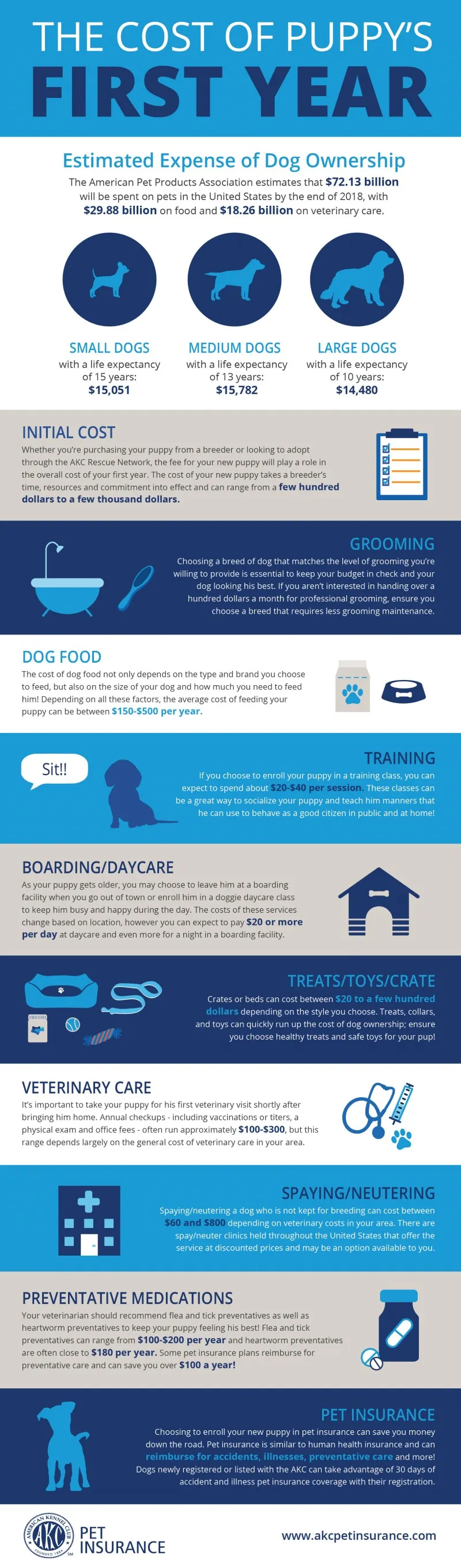
The United States sees a substantial expenditure on pets annually, with figures reaching into the billions. In 2021, $123.6 billion was spent on pets in the U.S. alone. These costs, however, are not uniform; they vary based on a dog’s size, breed, and expected lifespan. According to PetPlace, the estimated lifetime costs for dog ownership break down as follows:
For small to medium-sized dogs:
- First year: $740 to $1,325
- Annual costs thereafter: $500 to $875
- Estimated total lifetime cost: $7,240 to $12,700
For large-breed dogs:
- First year: $1,020 to $1,825
- Annual costs thereafter: $690 to $875
- Estimated total lifetime cost: $5,850 to $7,950
Key Factors Influencing Your Dog’s Annual Expenses
Several primary expenses contribute to the overall cost of owning a dog. Being aware of these will help you budget more effectively for your new puppy.
Initial Puppy Acquisition Costs:
The initial fee for your puppy is a significant part of the first year’s expenses. Whether you choose to adopt from a reputable breeder or a rescue organization like the AKC Rescue Network, this cost reflects the breeder’s dedication to producing healthy puppies with desirable traits. Purchasing a puppy from a breeder involves costs associated with their time, resources, and commitment, often resulting in prices that can run into thousands of dollars.
Grooming Needs:
Grooming requirements vary widely among breeds. Some dogs need professional grooming every few weeks, while others can be maintained at home. Selecting a breed that aligns with your willingness and ability to groom is crucial for managing costs. If professional grooming, which can exceed $100 per month, isn’t in your budget, consider a breed with lower maintenance needs. Learning to trim your dog’s nails at home can also reduce ongoing expenses.
Dog Food Expenses:
The cost of dog food is influenced by the type and brand you select, as well as your dog’s size and dietary needs. Annually, feeding your puppy can range from $300 to $1,500.
Professional Training Classes:
Enrollment in puppy training classes can cost approximately $20 to $40 per session. These classes are invaluable for socializing your puppy and teaching them essential obedience skills, fostering good behavior both at home and in public.
Doggy Daycare, Boarding, and Pet Sitting Services:
Reliable care for your dog when you’re unable to be there is a vital part of their well-being. Services like a dog walker or pet sitter are crucial for socialization and enrichment. Even if you work from home, budgeting for a pet sitter can provide valuable breaks and ensure your dog remains engaged. When planning travel, consider the average cost for pet sitting or the cost of boarding facilities. Enrolling in a doggy daycare can keep your dog happy and occupied during the day, while boarding facilities are an option for longer absences. Costs for these services are location-dependent.
Treats, Toys, and Crate Essentials:
Shopping for your new puppy’s essentials is often a delightful part of the process. Crates or beds can range from $20 to several hundred dollars, depending on the style and brand. Similarly, treats and toys can quickly add to the overall cost of dog ownership. Prioritize healthy treats and safe, durable toys for your pup.
Routine Veterinary Care:
Your puppy’s first veterinary visit shortly after arrival is essential. This initial appointment marks the beginning of a lifetime of annual check-ups. The average cost for veterinary care during your puppy’s first year typically ranges from $100 to $500. This includes crucial vaccinations like canine parvovirus, canine hepatitis, and rabies. The AKC Veterinary Network Certificate Program offers a complimentary vet visit for newly registered AKC dogs, potentially saving on initial office fees.
Emergency Veterinary Situations:
Puppies, due to their exploratory nature, may sometimes require emergency veterinary care for sudden illnesses or even foreign body ingestion. Pet owners should factor in potential emergency costs when determining their pet care budget.
Spaying or Neutering Procedures:
The cost of spaying or neutering your dog can range from $90 to $200, influenced by local veterinary costs, your dog’s size, age, and breed. Many low-cost spay and neuter clinics operate across the U.S., offering these services at reduced prices.
Preventive Medications:
Your veterinarian will likely prescribe preventive medications for fleas, ticks, and heartworms to maintain your puppy’s health. These medications can cost between $200 and $300 annually. Given that treating heartworm disease can cost upwards of $400, and flea infestations can incur even higher costs, preventive treatments are the most economical choice. Some pet insurance plans may even cover these preventive measures.
Pet Insurance:
Enrolling your new puppy in a pet insurance plan can lead to significant savings over time. Pet insurance provides reimbursement for eligible accidents, illnesses, and other covered conditions. With a plan in place, you can make treatment decisions based on your dog’s needs rather than financial constraints. Additionally, AKC-registered dogs can benefit from 30 days of complimentary accident and illness pet insurance coverage (underwritten by Independence American Insurance Company), offering a great opportunity to experience the advantages of pet insurance.
Strategic Budgeting for Puppy Ownership
While the initial year of dog ownership may present substantial costs, meticulous planning and budgeting can shift your focus towards enjoying your puppy’s delightful antics. Investing in annual veterinary visits, preventive medications, and pet insurance can safeguard you against unexpected illnesses and costly vet bills.
The memories you create with your dog over their lifetime are priceless.

Give Your Pet the Best with Champion-Level Insurance
Ensure your pets receive top-tier care.
GET A QUOTE