
VET APPROVED
REVIEWED & FACT-CHECKED BY
Dr. Paola Cuevas
Veterinarian, MVZ
The information is current and up-to-date in accordance with the latest veterinarian research.
Pet ownership opens a window into the remarkable world of animals, allowing us to observe their behaviors, laugh at their quirky antics, and appreciate their unique personalities. While living with pets teaches us countless lessons about their needs and emotions, there remains a vast universe of fascinating facts that aren’t immediately obvious just by sharing our homes with them.
Whether you’re a devoted dog parent, a cat enthusiast, a hamster owner, or considering which type of pet would best fit your lifestyle, these surprising facts will deepen your understanding and appreciation of our animal companions. From biological wonders to behavioral quirks, discover intriguing details that will not only help you provide better care for your pet but also give you compelling reasons to share why your furry, feathered, or scaly friend is truly exceptional.
10 Fascinating and Fun Dog Facts

1. Unique Nose Prints
Just as no two snowflakes or human fingerprints are identical, every dog possesses a completely unique nose print. This distinctive pattern of ridges and creases on their nose is as individual as a human fingerprint, making nose prints a reliable method of identification in some countries.
2. The Science Behind Wet Noses
A dog’s wet nose serves multiple critical functions beyond just being adorable. The moisture helps dogs retain scent chemicals, significantly enhancing their already impressive sense of smell. Additionally, wet noses play a crucial role in helping dogs regulate their body temperature through evaporative cooling.
3. Bloodhounds’ Exceptional Olfactory Abilities
Bloodhounds possess one of the most powerful senses of smell among all dog breeds. Their tracking abilities are so reliable that evidence gathered by Bloodhounds can be admissible in court proceedings, demonstrating the extraordinary accuracy of their scent-tracking capabilities.
4. Superior Hearing Range
Dogs can detect frequencies that are completely inaudible to human ears. A fascinating example is found in The Beatles’ album Sgt. Pepper’s Lonely Hearts Club Band—the track ‘A Day in the Life’ contains a high-frequency sound at the very end that only dogs can hear, added specifically for canine listeners.
5. Dalmatian Deafness Concerns
Approximately one-third of Dalmatians experience deafness in at least one ear, while up to 5% may be completely deaf in both ears. This hearing impairment is linked to the gene responsible for their distinctive spotted coat pattern, placing Dalmatians at higher risk for accidents and injuries.
6. Color Perception Abilities
Contrary to popular belief that dogs see only in black and white, they can actually perceive colors—specifically blue and yellow. Dogs aren’t completely colorblind but rather “spectrum-challenged,” seeing a more limited range of colors compared to humans who can see the full spectrum.
7. Thermal Hunting Capabilities
Even dogs that are deaf or blind retain remarkable hunting abilities. Their noses can detect heat and thermal radiation emitted by other animals, allowing them to track prey through thermal sensing capabilities that compensate for other sensory limitations.
8. Contagious Yawning Phenomenon
Yawning is contagious between humans and their canine companions, serving as an empathetic response. When you yawn, you may notice your dog yawning shortly after, which scientists believe demonstrates emotional connection and empathy between dogs and their human families.
9. Dreaming Patterns
Dogs experience dreams much like humans do during their sleep cycles. However, small breed dogs, puppies, and senior dogs tend to dream more frequently than adult dogs in their middle years, suggesting that age and size influence dreaming patterns.
10. Greyhounds’ Endurance Speed
While cheetahs hold the title for fastest mammal in short bursts, Greyhounds can actually outrun them in long-distance races. Cheetahs can only maintain top speed for a few seconds before exhausting themselves, whereas Greyhounds can sustain speeds of 35 mph for distances up to 7 miles.
10 Fascinating and Fun Cat Facts

1. Paw Preference
Cats demonstrate handedness—or more accurately, “pawedness”—just like humans. Research indicates that male cats tend to favor their left paw, while female cats more commonly prefer their right paw, showing gender-based patterns in lateralization.
2. Meowing as Human Communication
Cats primarily meow to communicate with humans, not with other cats. Only kittens meow to their mothers; adult cats rarely vocalize to each other using meows. This behavior developed specifically as a way for cats to interact with their human caregivers.
3. Genetic Connection to Tigers
Domestic cats share an astonishing 95.6% of their DNA with tigers. Despite their small size, your house cat is genetically remarkably similar to these magnificent big cats, with both species diverging from a common ancestor approximately 10.8 million years ago.
4. Voice Recognition Selectivity
Your cat can definitely recognize your voice when you call them—they just choose not to respond. Scientific studies confirm that cats can distinguish their owner’s voice from other human voices, demonstrating their selective hearing and independent nature.
5. Kneading Behavior
The adorable “making biscuits” motion that cats perform with their paws indicates contentment and happiness. Kittens knead their mothers to stimulate milk production, and younger cats may even suckle on blankets or soft surfaces that remind them of their mother’s fur.
6. Sleep-Obsessed Lifestyle
Cats dedicate over two-thirds of their lives to sleeping, which translates to approximately 13-16 hours per day. This extensive sleep pattern is rooted in their evolutionary history as hunters who needed to conserve energy for short bursts of intense activity.
7. Crepuscular Activity
Cats are crepuscular creatures, meaning they’re most active during dawn and dusk. This explains why your cat often wakes you up before sunrise or becomes particularly energetic in the early evening hours—it’s their natural biological rhythm.
8. A Cat Mayor
The Alaskan town of Talkeetna had an orange tabby cat named Stubbs serve as their honorary mayor for an impressive 20 years, demonstrating that cats can hold positions of distinction even in human governance.
9. Ancient Egyptian Reverence
Cats were so deeply revered in ancient Egypt that people would shave off their eyebrows as a sign of mourning when a cat died. This extreme gesture demonstrates the profound spiritual and cultural significance cats held in Egyptian society.
10. Unique Walking Pattern
Cats walk by moving both right feet first, then both left feet—a distinctive gait pattern. Camels and giraffes are the only other animals that share this particular walking style, making it a rare locomotion method in the animal kingdom.
10 Fascinating and Fun Hamster Facts

1. Etymology of “Hamster”
The name “hamster” originates from the German word “hamstern,” which means “to hoard.” This etymology perfectly describes these rodents’ characteristic behavior of storing food in their expandable cheek pouches.
2. Diplostomes
A hamster’s remarkable cheek pouches have a scientific name: diplostomes. These elastic pouches can expand significantly to allow hamsters to transport large quantities of food back to their burrows.
3. Limited Pet Species
While there are 24 species of hamsters worldwide, only five are commonly kept as pets: Syrian hamsters, Chinese hamsters, Campbell’s dwarf hamsters, Russian dwarf hamsters, and Roborovski hamsters. Each species has distinct care requirements and temperaments.
4. Environmental Enrichment Benefits
Research shows that hamsters experience different moods and emotional responses based on their environment. Hamsters provided with more toys and enrichment activities demonstrate more optimistic behavior and better decision-making abilities.
5. Solitary Nature
Many hamsters, particularly Syrian hamsters, are strictly solitary animals that prefer to live alone. They will fight aggressively, sometimes to the death, if forced to cohabitate with other hamsters, making single housing essential for their wellbeing.
6. Hibernation Capabilities
Hamsters naturally hibernate in the wild, and pet hamsters may also hibernate if kept in cold conditions near drafty windows or in cooler areas of the house. This can alarm owners who mistake their hibernating hamster for being deceased.
7. Salmonella Risk
Hamsters can carry salmonella bacteria, making it crucial to wash hands thoroughly after handling them. This precaution protects both human health and prevents cross-contamination.
8. Continuous Tooth Growth
As rodents, hamsters lack canine teeth, and their incisor teeth grow continuously throughout their lives without roots. This is why hamsters constantly gnaw on objects—to wear down their teeth and keep them properly sharpened.
9. Dental Research Potential
Hamster and rodent incisor teeth contain active stem cells, according to scientific research. This discovery holds promising potential for future human tooth regeneration therapies.
10. Hawaii’s Hamster Ban
Hawaii has banned both the importation and possession of hamsters as pets due to concerns about these animals establishing populations that could threaten the islands’ unique ecosystem.
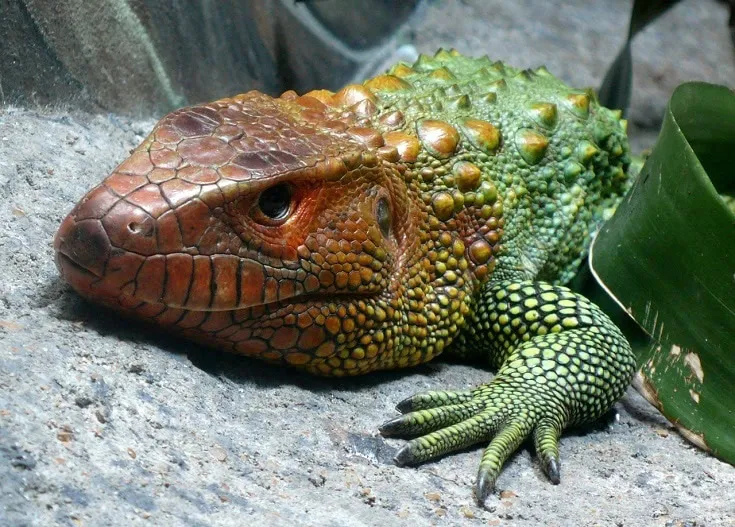
10 Fascinating and Fun Reptile Facts
1. Vast Diversity, Limited Pets
Over 10,000 reptile species exist across every continent except Antarctica, including lizards, snakes, turtles, alligators, and crocodiles. However, only select species of lizards, snakes, and turtles are suitable for keeping as pets.
2. Reptile Ownership Statistics
Only about 2% of Americans own reptiles as pets. The most popular pet reptiles include leopard geckos, chameleons, red-eared sliders, eastern box turtles, ball pythons, and corn snakes.
3. Turtle Shell Anatomy
A turtle’s shell isn’t a separate structure but rather a series of broadened and flattened ribs that have fused with the backbone, forming an integral part of their skeletal system.
4. Dual Shell Structure
Turtles possess two distinct shells: the carapace (upper shell) and the plastron (lower shell). These two structures work together to provide complete protection for the turtle’s body.
5. Vocal Turtles
Despite their reputation as silent creatures, turtles do produce sounds including chirps and clicks. These vocalizations primarily occur underwater during interactions with other turtles.
6. Temperature-Dependent Sex Determination
In certain turtle species, incubation temperature determines whether hatchlings will be male or female. Lower temperatures typically produce males, while higher temperatures produce females.
7. Surprising Snake Speeds
Many snakes can move surprisingly fast. Sidewinder snakes lead at 18 mph, followed by black mambas at 12 mph and southern black racers at 10 mph. In contrast, ball pythons move at a leisurely 1 mph.
8. Lipless Drinking Method
Snakes lack lips but have evolved ingenious drinking methods. They either create suction with their mouths or use skin folds in their lower jaw to absorb water like a sponge.
9. Chameleon Color Changes
A chameleon’s mood, temperature, and environment all influence their color. Specialized cells called iridophores enable these remarkable color transformations, which serve communication and camouflage purposes.
10. Skin Consumption
Geckos and other lizards frequently eat their shed skin. This behavior serves dual purposes: reclaiming nutrients from the old skin and eliminating evidence of their location to avoid predators.
10 Fascinating and Fun Bird Facts

1. Dinosaur Connection
The closest living relative to the mighty Tyrannosaurus rex is the common chicken, revealing an unexpected evolutionary link between prehistoric predators and modern poultry.
2. Chicken Intelligence
Chickens possess impressive cognitive abilities, including strong memories, basic arithmetic and geometry skills, over 30 distinct vocalizations, long-term memory of past events, and the ability to anticipate future occurrences.
3. Rooster Regulations
Many municipalities regulate the number of chickens residents can keep, with some areas specifically banning roosters due to noise concerns and their role in breeding more chickens.
4. Routine Dependence
Birds establish and maintain specific daily routines, and disruptions to these patterns can cause significant stress. Consistency is crucial for avian wellbeing.
5. First Domesticated Birds
Geese were the first birds domesticated by humans approximately 7,000 years ago, predating chicken domestication. Humans also attempted to domesticate cassowaries, known as the world’s deadliest birds, around 18,000 years ago.
6. Doves as Companions
Doves make excellent pets worldwide, with ring-necked doves and diamond doves being particularly popular. While they prefer having a partner, doves can also thrive as solitary pets.
7. Musical Preferences
Birds have distinct musical preferences, with parrots being especially selective. Even two parrots in the same household may favor completely different genres of music.
8. Dancing Cockatoos
Research confirms that cockatoos love to dance and can even choreograph their own dance moves, bobbing their heads and moving their feet in rhythm to music they enjoy.
9. Long Lifespans
Large parrot species like macaws and cockatoos can live up to 50 years or more, potentially outliving their owners. This longevity requires serious long-term commitment from prospective owners.
10. Regurgitation as Affection
When a parakeet regurgitates on you, it’s expressing love and affection—think of it as them offering you a gift. This behavior demonstrates bonding and trust between bird and owner.
Conclusion
The animal kingdom reveals endless wonders through the pets we welcome into our homes. Each species—whether furry, feathered, or scaly—possesses unique characteristics that make them extraordinary companions. These fascinating facts demonstrate that our pets share surprising connections with wild relatives, from cats’ genetic similarity to tigers to chickens’ relationship with T-rex dinosaurs.
Understanding these remarkable traits deepens our appreciation for our animal companions and helps us provide better care. Whether you’ve discovered that your cat’s kneading behavior stems from kittenhood, your hamster’s teeth contain regenerative stem cells, or your parrot has specific musical preferences, this knowledge strengthens the bond between you and your pet.
As pet owners, we naturally believe our companions are exceptional—and now you have plenty of scientific evidence to support that belief. Share these fascinating facts with fellow animal lovers to spread appreciation for the incredible creatures that enrich our lives.
See also:
- Do Serval Cats Make Good Pets?
- How Intelligent Are Parrots?
- Turtle Lifespan: How Long Do They Live?
Featured Image Credit: Ermolaev Alexander, Shutterstock