
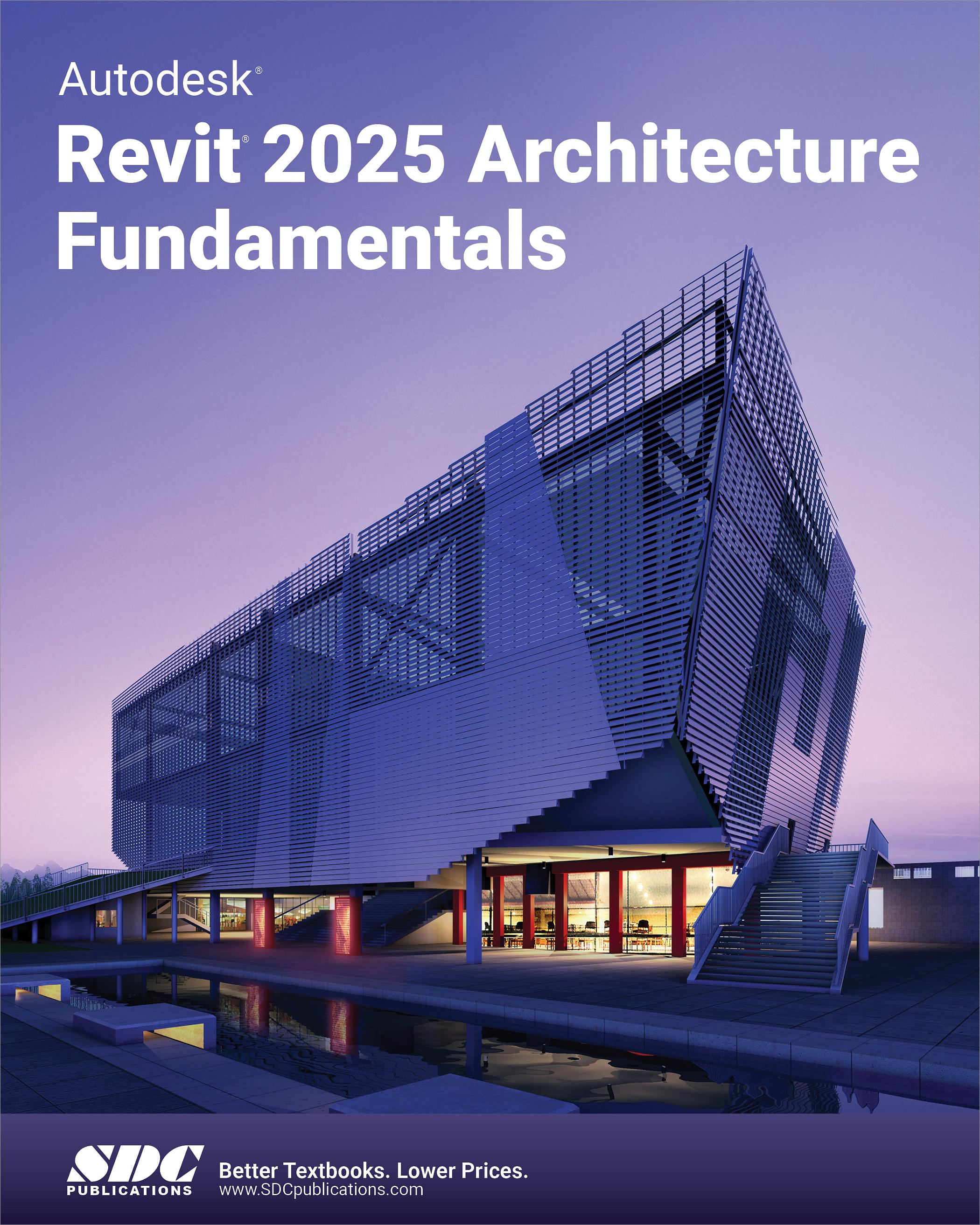
Autodesk Revit 2025 continues to build upon its foundation, focusing on enhancing user workflows, improving performance, and introducing intelligent features to streamline the design and documentation process for AEC professionals. This release emphasizes greater automation and more intuitive ways to manage complex projects.
The core of the Revit 2025 update revolves around refining existing functionalities and introducing new tools that leverage AI and advanced computational design principles. Autodesk aims to reduce the manual effort required for repetitive tasks, allowing users to concentrate more on design innovation and problem-solving.
Key Enhancements and New Features
Revit 2025 introduces several significant improvements across various modules:
1. Performance and Stability Improvements
A consistent theme in recent Revit releases, performance remains a top priority. Revit 2025 includes optimizations for opening and saving large models, improved graphical performance for complex views, and enhanced stability when working with intricate project data. These improvements are crucial for maintaining productivity, especially on large-scale projects.
2. Enhanced Documentation Tools
- Schedules and Tagging: Updates to schedules offer more flexibility in data presentation and management. New tagging options and customization capabilities allow for more precise and automated documentation. This includes enhancements to how data is extracted and displayed, reducing the need for manual adjustments.
- View Enhancements: New functionalities for view creation and management simplify the process of generating specific documentation views. This could involve better control over visibility and graphics, or new ways to generate section and elevation views more efficiently.
3. Automation and Intelligent Workflows
- Parametric Modeling Advancements: Further development in parametric modeling capabilities allows for more complex and intelligent family creation. This enables designers to build more sophisticated and adaptable building components.
- Automated Design Options: Revit 2025 introduces features aimed at automating the generation and management of design options, making it easier to explore multiple design scenarios and present them to stakeholders.
4. Interoperability and Collaboration
- Improved DWG Export: Enhancements to the DWG export functionality ensure better fidelity and compatibility when sharing Revit data with other platforms or software.
- Coordination Model Updates: Continued improvements to coordination models facilitate better collaboration between different disciplines, ensuring that all project stakeholders are working with the most up-to-date information.
5. Analytical Model Enhancements
- Structural Analysis: For structural engineers, Revit 2025 brings refinements to the analytical model, improving the accuracy and efficiency of structural analysis workflows. This includes better meshing capabilities and more robust analytical element creation.
- Energy Analysis: Enhancements to energy analysis tools provide more detailed insights into a building’s performance, helping designers optimize for energy efficiency from the early stages of design.
Focus on User Experience
Beyond specific features, Autodesk has focused on refining the overall user experience in Revit 2025. This includes interface tweaks, workflow optimizations, and better access to help and support resources. The goal is to make Revit more accessible and efficient for users of all experience levels.
Conclusion
Revit 2025 represents a significant step forward in BIM software, offering powerful new tools and refinements that enhance productivity, collaboration, and design intelligence. By focusing on performance, automation, and user experience, Autodesk continues to position Revit as an essential tool for modern architectural, engineering, and construction workflows.
References: