
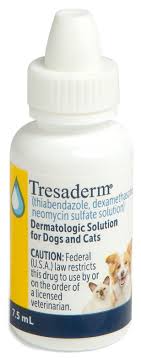
Tresaderm is a widely recognized dermatologic solution formulated for topical use in dogs and cats, offering a potent combination of active ingredients to address various skin and ear conditions. This comprehensive guide delves into the active components, administration, adverse reactions, and supply details of Tresaderm, providing essential information for licensed veterinarians and pharmacies.
Understanding the Active Ingredients and Their Roles
The efficacy of Tresaderm stems from its carefully selected active ingredients, each contributing a vital function in managing dermatological issues in pets:
- Thiabendazole: Present at 40 mg per ml, thiabendazole is a broad-spectrum antifungal and antiparasitic agent. It is particularly effective against a range of fungal infections, such as ringworm, and certain internal and external parasites that can affect a pet’s skin and ears.
- Dexamethasone: As a potent corticosteroid, dexamethasone is included at 1 mg per ml. Its primary role is to reduce inflammation, itching, and swelling associated with various dermatoses. This anti-inflammatory action provides rapid relief for pets suffering from discomfort.
- Neomycin Sulfate: Supplied at 3.2 mg per ml, neomycin sulfate is a broad-spectrum antibiotic. It targets and eliminates a wide array of gram-negative and some gram-positive bacteria that commonly cause secondary infections in skin lesions and ear infections.
These active ingredients are suspended in a solution containing inactive components such as glycerin, propylene glycol, purified water, hypophosphorous acid, calcium hypophosphite, and preservatives like ethyl alcohol and benzyl alcohol, which ensure the stability and effective delivery of the medication.
Dosage and Administration Guidelines for Optimal Efficacy
Proper administration of Tresaderm is crucial for achieving the best therapeutic outcomes while ensuring pet safety. Before applying the solution, it is imperative to thoroughly clean the affected area. This involves removing any ceruminous, purulent, or foreign material from the ear canal, as well as any crusts associated with dermatoses on other body parts. The unique design of the Tresaderm container nozzle facilitates easy and safe insertion into the ear canal for precise application.
The dosage and frequency of treatment should be tailored to the specific condition, taking into account the severity and extent of the lesions.
- For ear infections: Instill 5 to 15 drops directly into the affected ear twice daily.
- For other dermatoses: Gently moisten the surface of the lesions with 2 to 4 drops per square inch of Tresaderm solution twice daily. The quantity required will vary depending on the size of the affected area.
It is critical to adhere to the prescribed duration of treatment. Tresaderm is intended for short-term use and should be limited to a maximum of seven (7) consecutive days. Continuous or prolonged use may increase the risk of adverse effects and diminished efficacy.
Potential Adverse Reactions and Precautions
While Tresaderm is generally well-tolerated, some pets may exhibit adverse reactions. In rare instances, dogs may display sensitivity to neomycin, resulting in erythema (redness) of the treated area. This reaction typically resolves within 24 to 48 hours. Owners may also notice transient discomfort, characterized by expressions of pain, for two to five minutes after application, particularly if the medication is applied to fissured or denuded skin areas.
Veterinarians should be aware of these potential reactions and advise pet owners accordingly. As mentioned, application should not exceed one week. Furthermore, it is essential to prevent contact with the pet’s eyes to avoid irritation. Tresaderm is a prescription medication and must be kept out of reach of children.
Supply Information and Storage Recommendations
Tresaderm is available in convenient 7.5 mL and 15 mL dropper bottles, packaged in boxes of 12. These units are sold exclusively to licensed veterinarians and pharmacies, requiring a current veterinary license on file prior to purchase.
To maintain the integrity and potency of the medication, Tresaderm must be stored in a refrigerator at a temperature between 36-46°F (2-8°C). As a cold item, it requires upgraded, expedited shipping to ensure it reaches its destination while maintaining its required temperature. Customers are advised to select the fastest shipping service at checkout to guarantee product quality.