
Introduction
Pyometra, often referred to as a “pyo,” is a severe uterine infection in unneutered female dogs. This condition is life-threatening and requires immediate veterinary attention. The infection typically develops four to eight weeks after your dog’s heat cycle. Early recognition and treatment are crucial to ensure your dog’s survival and recovery. In this guide, we explore the causes, symptoms, diagnosis, treatment, and prevention of pyometra in dogs.
What is Pyometra?
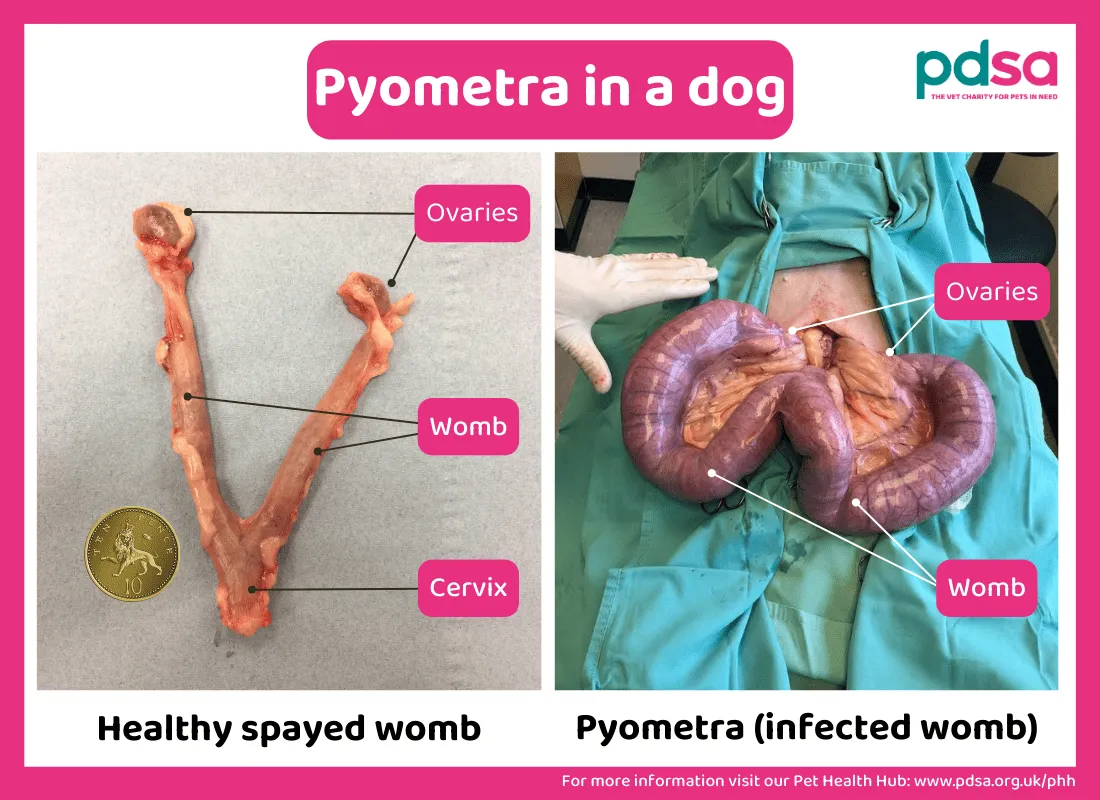
Pyometra occurs when bacteria infect the uterus, causing it to fill with pus. Any intact female dog is at risk, though the likelihood increases with age, especially after six years old. Hormonal changes during a heat cycle can predispose the uterus to infection. Left untreated, pyometra can lead to severe complications such as peritonitis, sepsis, dehydration, kidney failure, and death.
There are two types of pyometra:
- Open pyometra: The cervix is open, allowing pus to drain through the vulva. This makes the infection easier to detect due to visible discharge.
- Closed pyometra: The cervix remains closed, trapping pus inside the uterus. This form is more dangerous because symptoms may be subtle until the condition becomes critical.
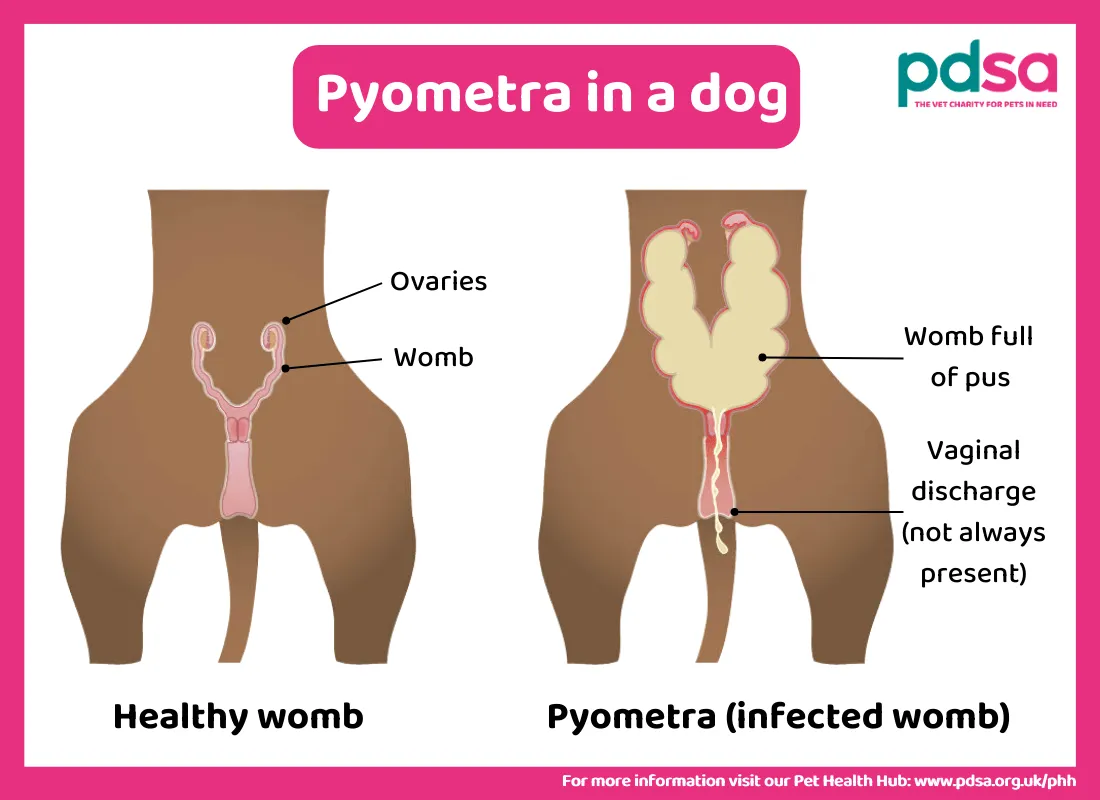
Symptoms of Pyometra
Symptoms often appear a few weeks after the heat cycle and may include:
- Discharge from the vulva
- Increased thirst and urination
- Vomiting
- Abdominal swelling
- Lethargy or low energy
- Loss of appetite
- Collapse in severe cases
Recognizing these signs early is vital to prevent life-threatening complications.
Diagnosing Pyometra
Veterinarians diagnose pyometra through:
- Physical examination
- Ultrasound of the uterus
- Blood and urine tests
Prompt diagnosis allows immediate intervention, improving the chances of recovery.
Treatment Options
Surgery
Emergency surgery, typically a spay procedure to remove the infected uterus, is the most common and effective treatment.
Fluid Therapy
Dogs may require intravenous fluids, especially if vomiting or dehydrated, to maintain hydration and support recovery.
Medications
Pain relief and antibiotics are administered alongside surgery to control infection and manage discomfort.
Hormone Therapy
In select cases, hormone treatment may be considered. However, even if successful, pyometra can recur, and surgical removal is often recommended.
Home Care and Recovery
Post-surgery, dogs may need to stay at the veterinary clinic for a day or two. Once home:
- Ensure plenty of rest and minimal activity
- Provide prescribed medications and follow feeding instructions
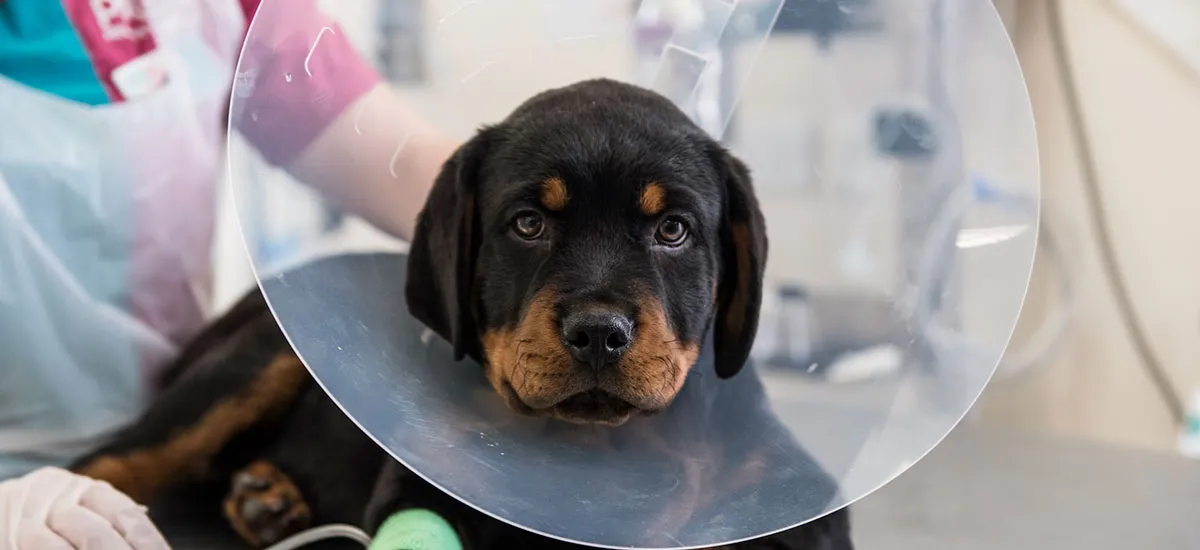
- Prevent licking of the surgical site with an Elizabethan collar or protective suit
For detailed guidance, see Caring for your dog after surgery.
Prognosis
The sooner a pyometra is treated, the higher the likelihood of full recovery. Older dogs or those with delayed treatment face a greater risk of complications and reduced survival.
Prevention
Neutering your dog is the most effective way to prevent pyometra. Discuss with your vet the ideal timing for spaying to reduce the risk. Until then, monitor for symptoms after each heat cycle.
Special Cases
- Stump Pyometra: Rarely, a small piece of uterine tissue may remain after spaying and become infected. Treatment is similar to standard pyometra and often requires removal of the remaining tissue.
 Stump pyometra infographic
 - Young Dogs: Although pyometra is more common in older dogs, it can occur at any age.
- Male Dogs: Pyometra does not occur in male dogs due to the absence of a uterus.
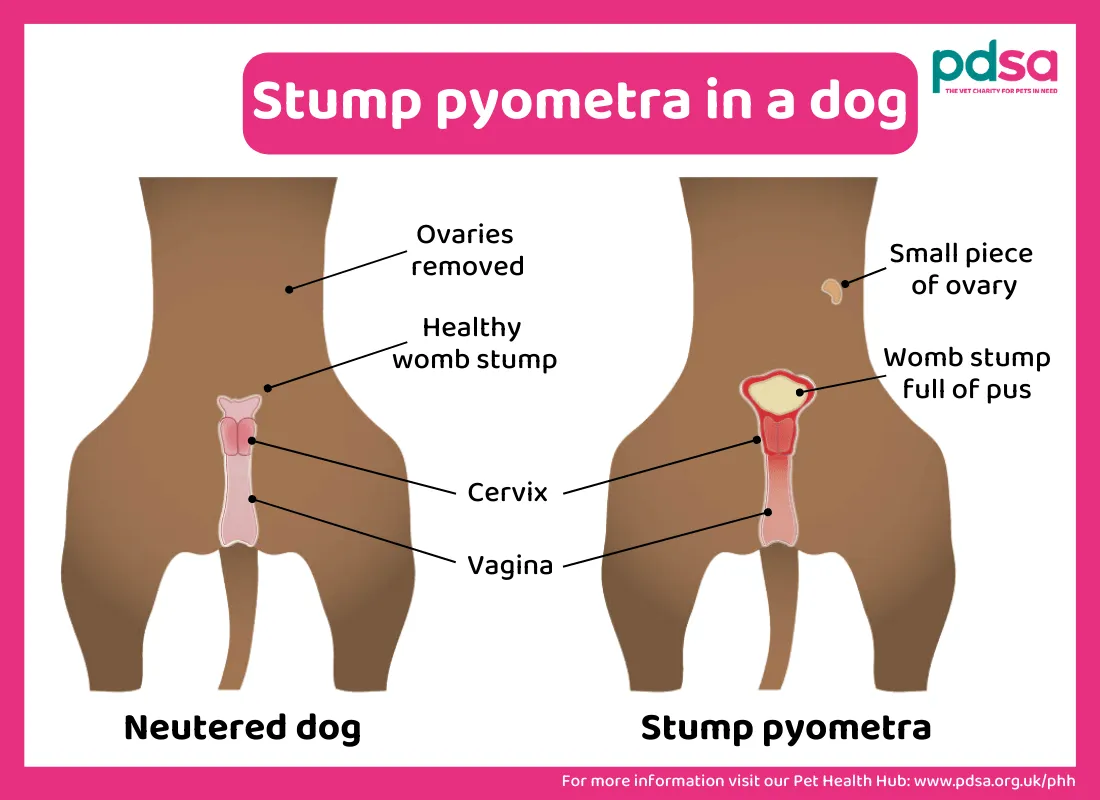 Stump pyometra infographic
When to Contact a Vet
A pyometra is a veterinary emergency. If you observe any symptoms, contact your vet immediately. Early intervention is crucial for survival. Consider pet insurance to help cover unexpected medical costs.
FAQs
How long can my dog live with pyometra?
Immediate treatment is required. Untreated pyometra can rapidly lead to death.
Can antibiotics alone treat pyometra?
In rare cases, antibiotics and hormone therapy may be attempted, but surgery is usually necessary to prevent recurrence.
Can neutered dogs get pyometra?
A rare condition called stump pyometra can occur if uterine tissue remains after spaying.
Conclusion
Pyometra is a serious and potentially fatal condition. Awareness of symptoms, prompt veterinary care, and preventive measures like neutering are essential to protect your dog’s health. Always monitor your dog after heat cycles and seek immediate medical advice if symptoms arise.
For more information on veterinary services, visit PDSA Veterinary Services.
 PDSA animal logo