
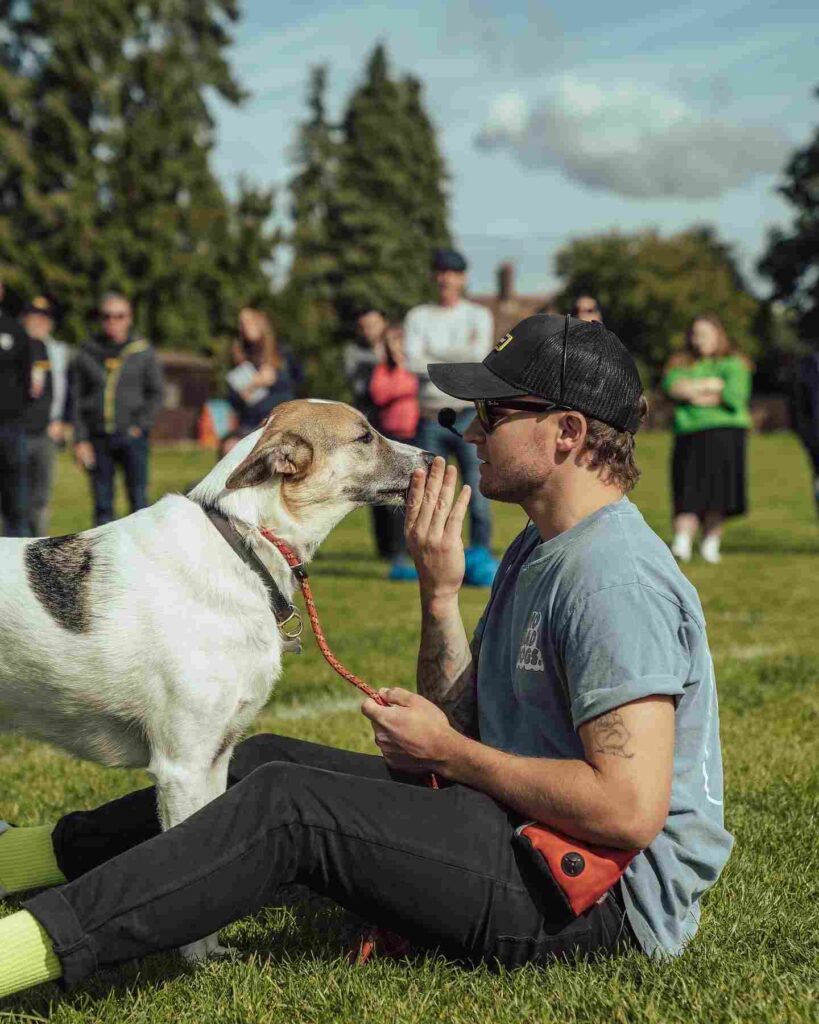
Teaching your dog to come when called, often referred to as the recall command, is one of the most fundamental yet crucial aspects of dog training. While it may seem straightforward, achieving a consistent and reliable recall, especially amidst distractions, can be a significant challenge for many dog owners. This guide delves into the essential principles and practical strategies to help you build a strong recall, ensuring your dog responds every time.
The Foundation of a Reliable Recall
The core principle of training a dependable recall lies in establishing a clear understanding for your dog: when you call, they come. This needs to become an ingrained habit, eliminating any guesswork for your dog. The key to achieving this is consistent and controlled practice.
The Golden Rule: Enforcement is Key
A paramount rule in recall training is to never call your dog unless you are absolutely certain you can enforce the command. This means avoiding calling your dog in situations where you know they are unlikely to obey, as this will inadvertently teach them that the command is optional.
Practice, Practice, Practice: Gradual Exposure
The journey to a reliable recall involves a structured approach to practice, gradually increasing the level of distraction.
- Begin at Home (On Leash): Start in a controlled environment with minimal distractions. Ensure your dog responds 100% of the time before moving on.
- Introduce Neighborhood Distractions (On Leash): Once reliable at home, practice in your neighborhood. The increased stimuli may require you to use the leash again to maintain control.
- Long Line Practice (Park): Progress to a park environment with even more distractions. Utilize a long training leash or a clothesline to give your dog more freedom while maintaining the ability to enforce the command.
Consistency is vital; even short, focused sessions of 10-15 recalls a couple of times a day can yield significant results.
Making Recall Rewarding
To make coming to you an overwhelmingly positive experience for your dog, ensure that exceptionally good things happen when they respond to your recall. This includes:
- High-Value Rewards: Offer tasty treats, engage in a fun game of fetch, or provide enthusiastic verbal praise.
- Preventing the “Fun is Over” Association: Crucially, after praising and rewarding your dog, allow them to return to their previous activity. This teaches them that responding to your call doesn’t necessarily mean the end of their fun, but rather a brief, rewarding interruption.
Preventing the “Recall Dance”
A common frustration for owners is when a dog approaches but stays just out of reach, engaging in a playful evasion. To prevent this “recall dance,” teach your dog that “come” means coming all the way to you and allowing physical contact.
- Collar Touch: When training, call your dog, and upon arrival, make a point of touching their collar before delivering the reward. This reinforces that “come” means full engagement.
- Sit at Your Side: Alternatively, train your dog to “come” and then sit directly beside you. Both methods help ensure your dog understands the command involves a complete return.
The Second Golden Rule: Never Punish
Under absolutely no circumstances should you ever call your dog for the purpose of punishment. Whether you are feeling angry, tired, or frustrated, calling your dog only to scold them or confine them will irrevocably damage their trust in the recall command. Your dog will associate the punishment not with their misbehavior (like digging up the lawn), but with the act of coming to you.
Avoiding Negative Associations
Similarly, refrain from calling your dog if you are about to perform an unpleasant task. If your dog dislikes baths, avoid calling them when it’s bath time. If you’re leaving for work and need to crate them, don’t call them to be crated. In these situations, it is far more effective to retrieve your dog yourself without using the recall command. This preserves the positive association with the word “come.”
Recap for Success
To build a robust and reliable recall:
- Consistent Practice: Frequently practice the recall in controlled environments where you can enforce it.
- Gradual Distraction: Systematically increase the level of distractions as your dog’s reliability improves.
- Strategic Calling: Avoid calling your dog when you anticipate they will ignore you.
- Positive Reinforcement: Ensure that responding to the recall always results in positive outcomes and rewards.
By diligently applying these principles, you will undoubtedly witness a significant improvement in your dog’s recall responsiveness. Happy training!